
Most high-performers treat brain fog as an inevitable part of the workday. You know the feeling: the 3 p.m. wall where focus evaporates, cravings intensify, and your cognitive speed drops off a cliff. For years, we were told that if your fasting glucose was within a standard range, you were fine. But as any seasoned practitioner will tell you, a static lab report is a snapshot, not a movie. The real story lies in the spikes and crashes—the volatility of your blood sugar throughout the day.
Metabolic health is no longer just about preventing type 2 diabetes; it is now recognized as the foundation of longevity and cognitive resilience. Chronically elevated blood sugar and insulin resistance do more than affect weight; they damage blood vessels and fuel the chronic inflammation that accelerates biological aging (Source: FinancialContent, 2026). When your body loses the ability to smoothly manage fuel, your energy becomes a roller coaster. The goal is not a flat line, but metabolic flexibility—the ability of your brain and body to switch efficiently between glucose and other substrates, like ketones, for energy (Source: FoundMyFitness, 2026).
Prerequisites: Your Metabolic Mapping Toolkit
Before you start mapping, you need the right tools to move from guesswork to precision. You cannot manage what you do not measure. If you are relying on how you 'feel,' you are missing the subtle lead-up to a crash. To build an accurate blueprint, you need a combination of real-time data and lifestyle tracking.
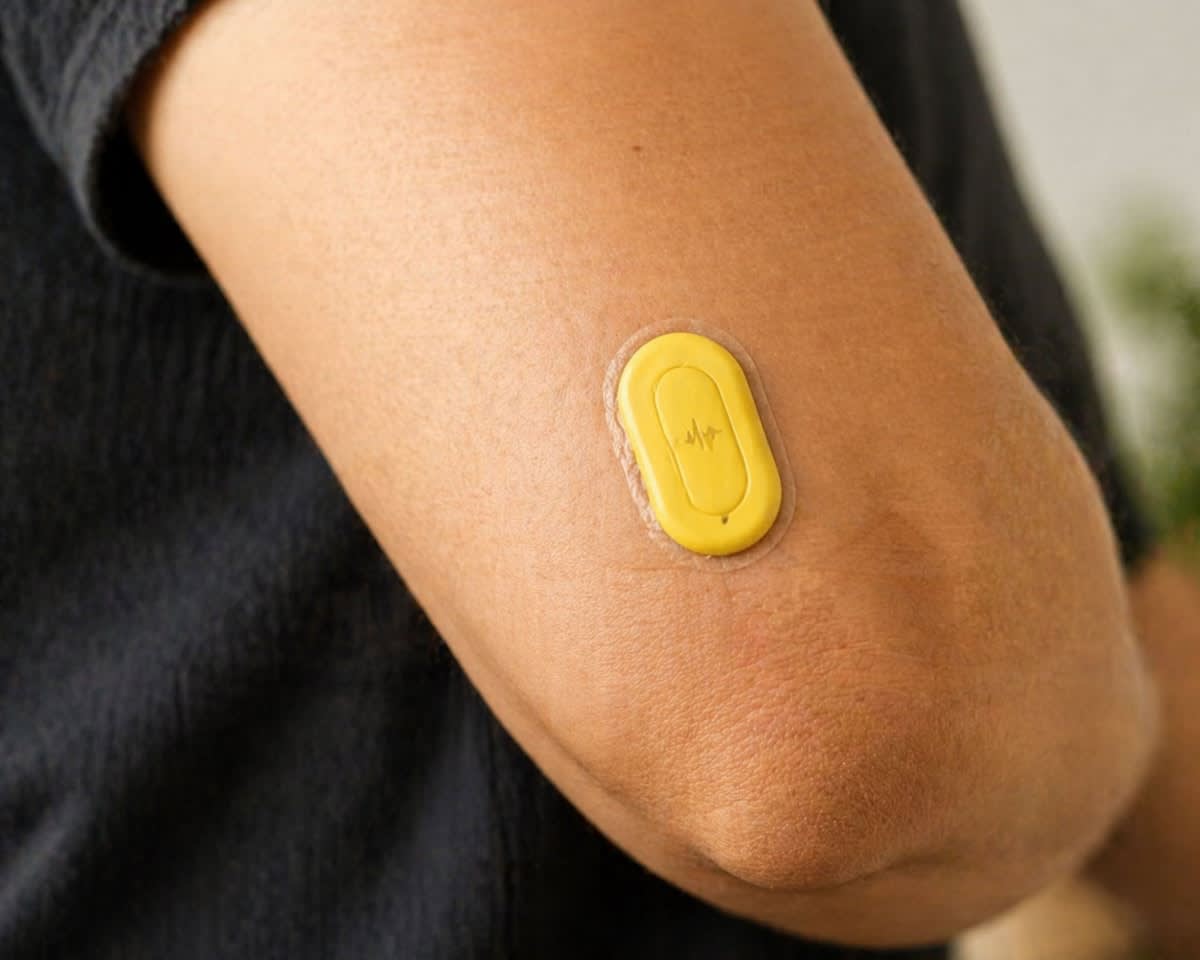
- Continuous Glucose Monitor (CGM): The gold standard for seeing real-time spikes and crashes without finger-pricking.
- Detailed Nutrition Log: Tracking not just what you eat, but the order of food and the timing of meals.
- Cognitive Energy Journal: A simple log to note periods of 'brain fog' or high clarity, timed to the minute.
- Baseline Biomarkers: Recent blood work including HbA1c and fasting insulin to understand your starting point.
Step-by-Step: Mapping Your Metabolic Spikes
Mapping is an iterative process. You are essentially conducting a series of N-of-1 experiments on your own biology. The objective is to identify which specific foods, stressors, and habits trigger a glucose excursion that leads to cognitive decline.
- Establish Your Baseline: Wear a CGM for 14 days without changing your diet. Observe your natural response to your current habits. Note the exact time you hit the '3 p.m. wall' and correlate it with your glucose levels from 60-90 minutes prior.
- Isolate the Trigger: Introduce single-variable changes. Eat the same carbohydrate source (e.g., a bowl of white rice) in different contexts: once alone, once after a walk, and once after a protein-rich appetizer. Observe the difference in the spike height and the duration of the subsequent crash.
- Test Metabolic Flexibility: Monitor how your glucose behaves during fasted states or after strength training. A healthy system should maintain stable levels without extreme dips that trigger anxiety or panic (Source: FoundMyFitness, 2026).
- Correlate with Cognitive Output: Map your highest periods of mental clarity against your glucose curves. Most find that a gentle, stable curve—rather than a steep peak—correlates with the best focus.
Once you have the data, the focus shifts to intervention. It is not about eliminating all carbohydrates, but about flattening the curve. This is where the 'order of operations' becomes critical. Consuming fiber and protein before carbohydrates can significantly blunt the glucose response, preventing the insulin surge that often leads to the subsequent brain fog.
"That 3 p.m. wall so many people hit, the sudden fatigue, brain fog, and cravings, is often a sign of blood sugar swings and poor metabolic flexibility. When your body can't smoothly manage fuel, your energy becomes a roller coaster."— Dr. Wallace Brucker, Physician
This volatility doesn't just affect your afternoon productivity; it has long-term structural implications for the brain. Brain-derived neurotrophic factor (BDNF), which supports brain flexibility and memory, is highly responsive to metabolic health, strength training, and sleep (Source: Lamkin Clinic, 2026). When you stabilize your glucose, you aren't just avoiding a crash; you are creating a biological environment where BDNF can thrive.
The Practitioner's Perspective: The 'Normal' Lab Paradox
In my experience working with high-performance clients, the most frustrating friction occurs when a patient's lab reports say everything is 'normal,' yet they feel biologically bankrupt. I have seen 44-year-old professionals who are told to simply 'reduce stress' while they struggle with stubborn weight gain and debilitating brain fog despite perfect fasting glucose numbers (Source: Promdbethesda, 2026). This mismatch happens because standard medicine looks for disease, not optimization.
The internal debate among functional medicine practitioners often centers on whether to prioritize hormonal balance (like testosterone) or metabolic stability first. While testosterone and BDNF are linked to brain flexibility, a single hormone number rarely fixes a focus problem if the underlying metabolic engine is stalling (Source: Lamkin Clinic, 2026). The real work happens in the patterns—tracking how a person changes over time and adjusting the plan based on real-world data rather than a checklist.
| Symptom | Glucose Pattern | Probable Biological Driver | Intervention |
|---|---|---|---|
| 3 PM Brain Fog | Sharp spike followed by steep drop | Reactive Hypoglycemia | Protein-first meal sequencing |
| Morning Grogginess | High fasting glucose (Dawn Phenomenon) | Insulin Resistance | Evening strength training / Low-carb dinner |
| Anxiety / Jitters | Rapid glucose dips | Poor Metabolic Flexibility | Introduction of healthy fats/ketones |
| General Fatigue | Flat, low-amplitude glucose | Low BDNF / Mitochondrial dysfunction | Strength training and protein optimization |
To truly optimize, you must look at the synergy between movement and metabolism. Strength training and steady cardio are not just for aesthetics; they increase the muscle's capacity to soak up glucose without requiring massive insulin spikes. This reduces the systemic inflammation that FoundMyFitness associates with cellular-level brain fog (Source: FoundMyFitness, 2026).

Common Pitfalls in Metabolic Mapping
Many people fall into the 'Data Trap'—becoming so obsessed with the CGM numbers that they develop orthorexia or anxiety over every minor fluctuation. It is vital to remember that glucose is a tool, not a master. A small spike after a celebratory meal is not a failure; it is a biological event.
- Ignoring the Basics: Trying to fix glucose with supplements while ignoring sleep apnea or poor sleep quality, both of which devastate insulin sensitivity (Source: Lamkin Clinic, 2026).
- The Solo-Data Error: Interpreting CGM data without a physician's guidance. Data is only valuable when interpreted within the context of your full medical history (Source: FinancialContent, 2026).
- Over-Restricting: Cutting all carbs to the point of crashing your thyroid or increasing cortisol, which ironically can raise blood sugar through gluconeogenesis.
Editorial Note
The goal of this blueprint is resilience, not perfection. Use the data to find your 'cognitive sweet spot'—the range where your energy is steady and your mind is sharp—and build your lifestyle around that range.
Fact-Check & Accuracy Note
Key claims regarding the 3 p.m. wall and metabolic health are sourced from Dr. Wallace Brucker via FinancialContent (2026). Information on ketones and brain inflammation is sourced from FoundMyFitness (2026). Claims regarding BDNF, strength training, and testosterone are sourced from Lamkin Clinic (2026). The concept of integrative wellness and the 'normal lab paradox' is attributed to Promdbethesda (2026). Ongoing debate exists regarding the optimal 'flatness' of a glucose curve for non-diabetics.