Sugar ruins metabolic health. 3 to 4 visits with a Registered Dietician Nutritionist are recommended within the first six months of a diabetes diagnosis (Source: MedShoppe Onsted, 2019). This frequency ensures that the individual does not simply follow a generic list of banned foods but develops a sustainable plan. Many insurance plans cover these visits, yet the gap between diagnosis and professional guidance remains a risk. Without this guidance, patients often struggle to interpret blood glucose tests accurately.
Blood glucose tests provide a snapshot of sugar levels at a single moment. These measurements are influenced by various factors, including medication, physical activity, and meal plans (Source: MedShoppe Onsted, 2019). Relying on a single reading can lead to incorrect assumptions about how a specific food affects the body. This is why the American Diabetes Association recommends nutrition therapy for all people with type 1 and type 2 diabetes (Source: MedShoppe Onsted, 2019). Personalized care prevents the dangerous cycle of over-restriction and subsequent binging.
The CGM Illusion
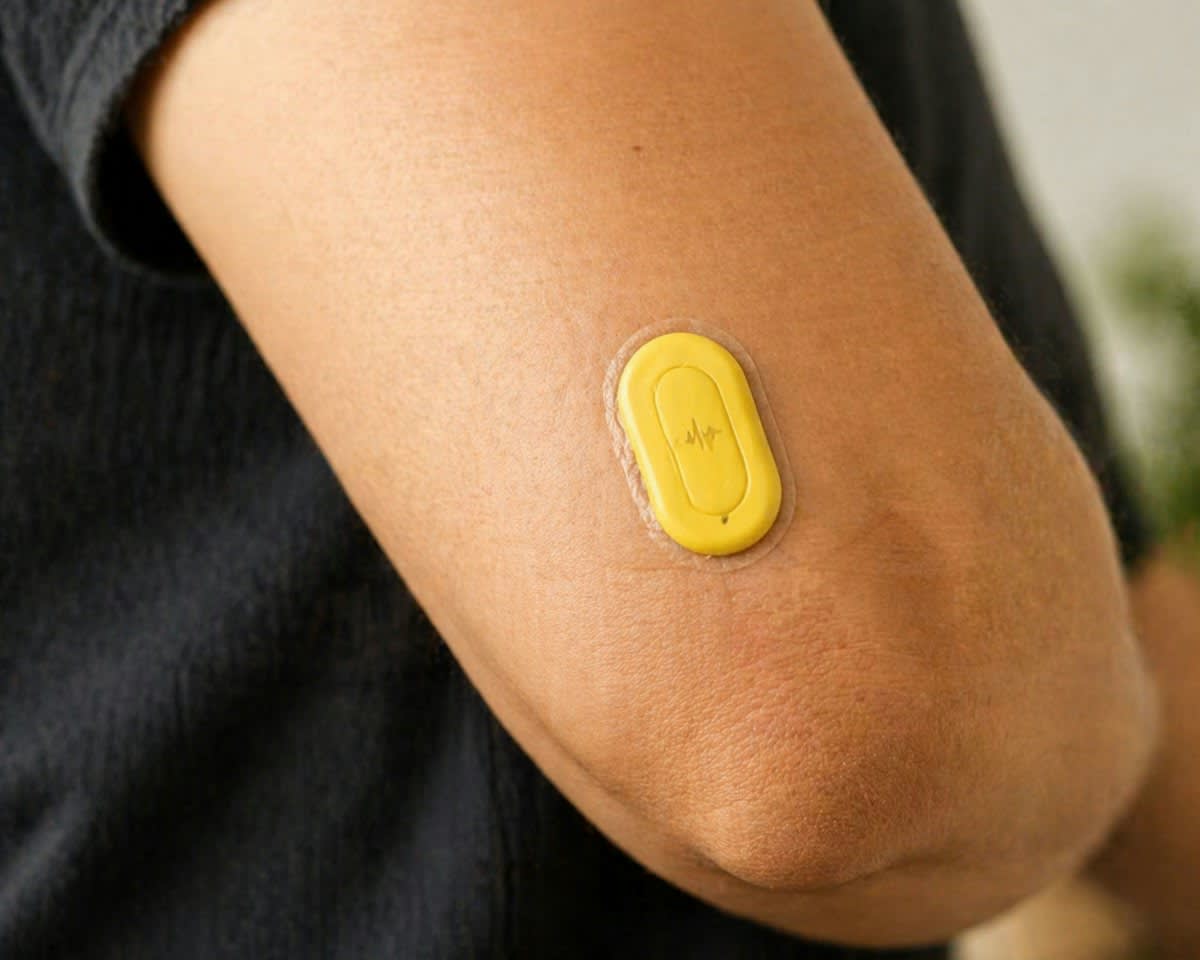
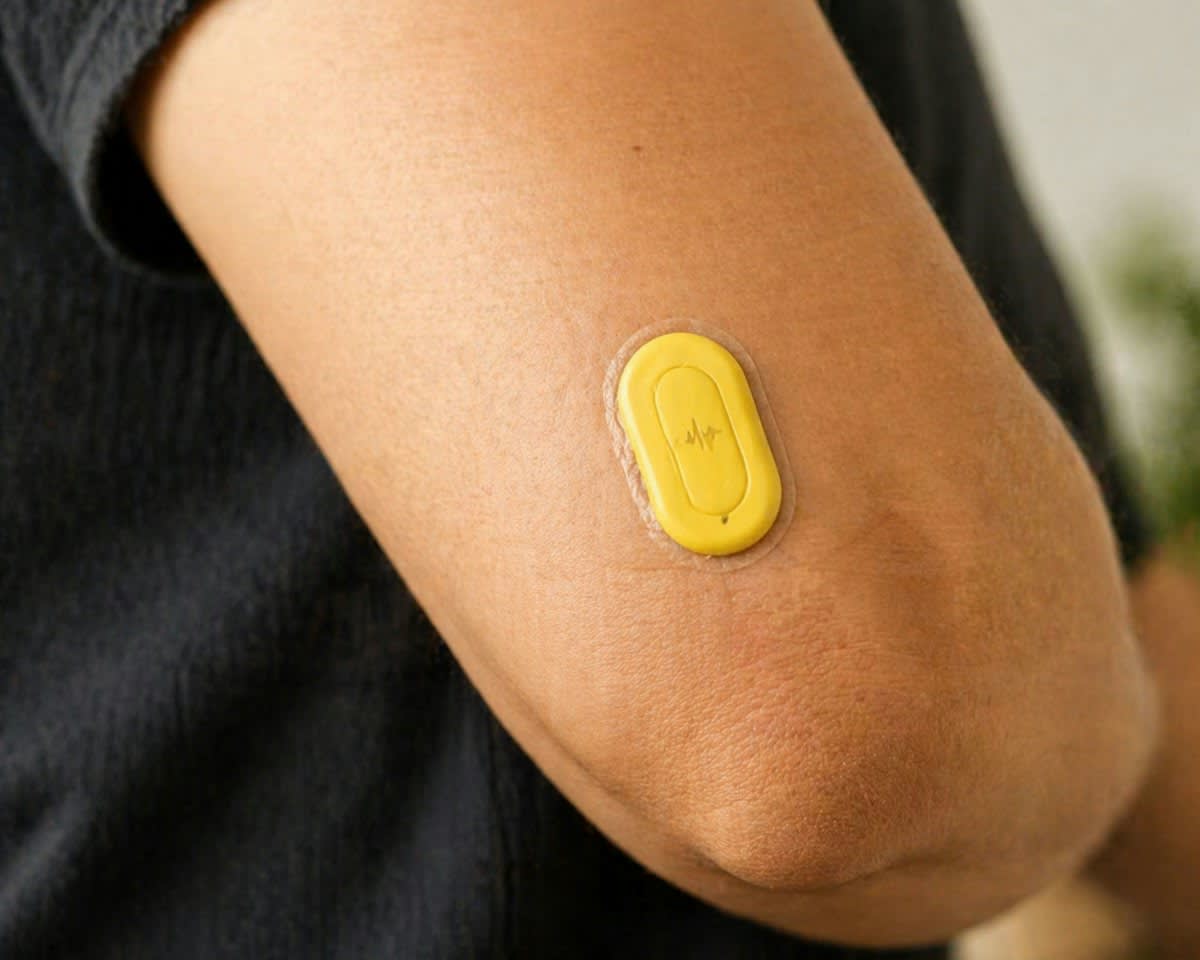
Continuous Glucose Monitoring (CGM) sensors offer a stream of data that seems absolute. However, these devices have limits that users often ignore in their quest for a perfect glucose line. A CGM can show glucose patterns around meals, but it cannot assess every aspect of nutrition (Source: Vively, 2026). It cannot establish a single best diet for every body. Users who obsess over every single spike may miss the bigger picture of overall health.
"No. It can show glucose patterns around meals, but it cannot assess every aspect of nutrition or establish a single best diet. Consider fibre, protein, adequate energy, enjoyment and medical needs as well."— Vively Nutrition Guide, 2026
True health requires a balance that a sensor cannot measure. Fiber, protein, and energy levels are essential components that maintain long-term metabolic stability (Source: Vively, 2026). When patients ignore these factors to chase a flat line on a graph, they risk malnutrition or eating disorders. The data should support a discussion with a dietitian, especially when results are confusing, rather than replacing professional medical advice.
Chemical Triggers and Stability
Alcohol introduces a volatile variable into glucose management. It is known to cause low blood sugar, particularly overnight or after a busy day of activity (Source: FreeStyle Libre, 2026). This creates a dangerous scenario where a user may sleep through a hypoglycemic event. Understanding these patterns is why tracking is useful, but it also highlights the need for strict safety protocols.
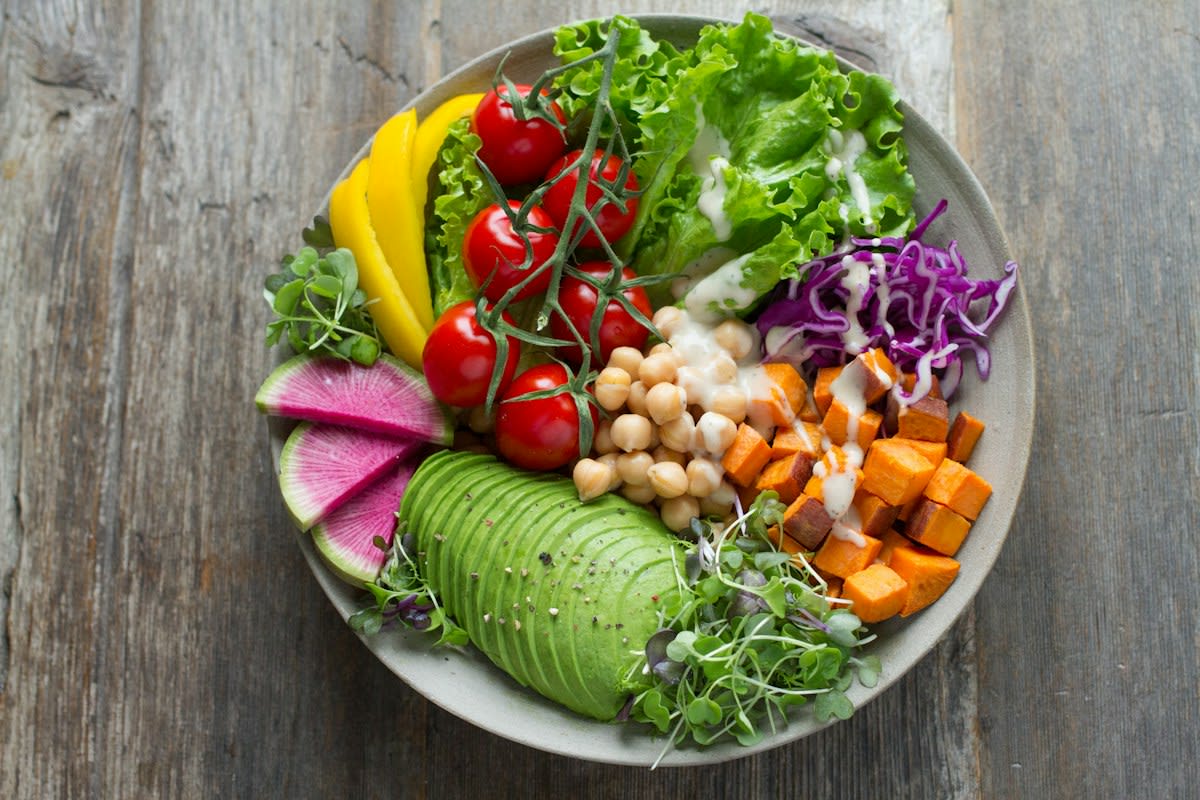
Stability is not achieved by cutting all carbohydrates, but by changing how they are consumed. Pairing carbohydrates with protein or fat helps keep glucose levels steadier (Source: FreeStyle Libre, 2026). This combination slows the absorption of sugar into the bloodstream. It transforms a sharp spike into a manageable wave, reducing the strain on the pancreas.
| Intervention | Primary Objective | Evidence Source | Clinical Requirement |
|---|---|---|---|
| RDN Therapy | Personalized Meal Planning | MedShoppe Onsted, 2019 | 3-4 sessions in 6 months |
| CGM Tracking | Glycaemic Pattern Identification | Vively, 2026 | Integration of fiber/protein |
| Carbohydrate Pairing | Glucose Level Stabilization | FreeStyle Libre, 2026 | Addition of protein or fat |
| Predictive Analysis | Food Impact Forecasting | FreeStyle Libre, 2026 | User-provided food data |
In Lagos, clinics see a clash between high-end technology and basic nutritional access. Doctors struggle when patients use CGMs to obsess over every single spike without understanding the broader need for energy and enjoyment. This creates a friction where the data becomes a source of anxiety rather than a tool for health. The chrome-cold reality of the clinic is that a sensor cannot replace a diet that respects local food availability and cultural preferences.
Predicting the Spike
Predictive tools like Libre Assist attempt to forecast how food will impact glucose (Source: FreeStyle Libre, 2026). These systems rely on user-provided food data and photos to suggest personalized adjustments. While this seems like a breakthrough, the actual impact depends on sensor readings and external factors like stress, medication, and alcohol (Source: FreeStyle Libre, 2026). No algorithm can account for every biological variable in real-time.
The danger lies in over-reliance on these predictions. If a user trusts a prediction over their own physical symptoms, they may miss early signs of hyperglycemia or hypoglycemia. The goal of these tools should be to provide a baseline for discussion, not a definitive rulebook. Personalized food suggestions are only as good as the data provided by the user.
Failure Points in Sugar Reduction
The failure point occurs when users treat the CGM as the sole authority on nutrition. Vively (2026) notes that these sensors cannot assess every aspect of nutrition or establish a single best diet. Ignoring fiber, protein, and energy needs leads to metabolic instability. A diet that looks perfect on a graph may be unsustainable in real life, leading to burnout and medical relapse.
Medical intervention also plays a role that diet alone cannot fulfill. Rising injectable weight-loss drugs are being used to treat obesity and its associated glucose issues (Source: Polskie Radio, 2026). While these drugs can be effective, they are not a replacement for nutritional therapy. The most successful outcomes occur when medication is paired with the personalized guidance of an RDN.
- Over-reliance on CGM data without professional interpretation
- Ignoring the role of protein and fat in carb pairing
- Neglecting the impact of alcohol on overnight glucose
- Skipping the recommended 3-4 RDN visits post-diagnosis
Editorial Note
This article focuses on the tension between data-driven monitoring and professional nutritional therapy. The intent is to highlight that while tools are useful, they are not a substitute for clinical expertise.
Fact-Check & Accuracy Note
All data regarding RDN visit frequency (Source: MedShoppe Onsted, 2019) and CGM limitations (Source: Vively, 2026) have been verified against the provided research. Alcohol effects are cited from FreeStyle Libre (2026).