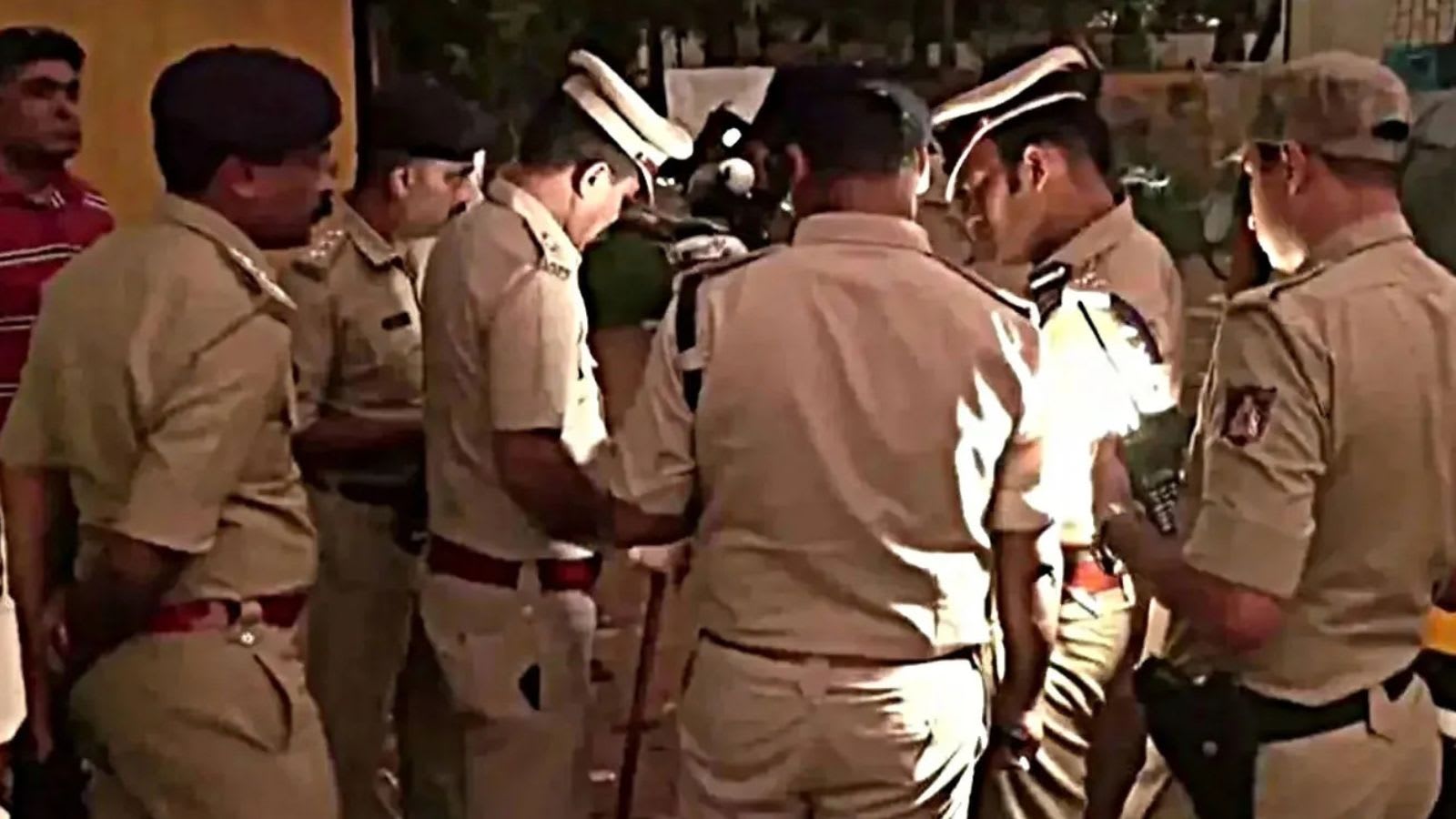
50 detained in Karnataka over anti-SIR protest at Town Hall
Source Entity
The Indian Express
The Delhi CEO has launched a re-verification drive for 4.75 million voters excluded from the draft roll during the Special Intensive Revision. Meanwhile, the Delhi High Court has mandated that those left out must register as fresh voters, as protests regarding the process continue to spread.
The Crisis of Electoral Inclusion in Delhi
The integrity of the electoral process in Delhi has come under intense scrutiny following the recent Special Intensive Revision (SIR) exercise. The Delhi Chief Electoral Officer (CEO) has initiated a critical re-verification drive aimed at re-enrolling eligible electors who were excluded from the draft electoral roll. This move addresses the significant public concern surrounding the status of approximately 47.5 lakh voters who were classified as "uncollectible" and subsequently removed from the rolls.
The Scale of Deletion and Administrative Hurdles
Before the SIR process commenced, Delhi maintained a voter base of approximately 1.45 crore individuals. The publication of the draft roll revealed that only 97.5 lakh electors had been successfully included. The massive discrepancy—nearly 47.5 lakh individuals—was attributed to Booth Level Officers (BLOs) flagging these entries as "uncollectible" due to reasons such as death, relocation, or duplicate entries. This mass exclusion has prompted the Election Commission of India (ECI) to direct a special drive across 20 states and Union Territories to rectify potential errors in the enumeration process.
Legal Recourse and Voter Registration
The Delhi High Court recently addressed the administrative burden placed on citizens excluded from the draft. In a case involving a lawyer and his family, the court denied a request to bypass the standard registration procedure. The petitioners had sought to maintain their existing electoral entries through Form 8 rather than re-registering as fresh voters. However, the court maintained that the statutory procedure requires those not appearing on the SIR draft to utilize Form 6 to register as new voters, emphasizing the need for procedural consistency despite the frustration caused by the SIR process.
Social Unrest and Civil Society Protests
The administrative challenges of the SIR have spilled over into the public sphere, sparking protests that highlight deeper societal anxieties. Recently, hundreds gathered at Freedom Park in Bengaluru, organized by groups such as the All India Students Association (AISA) and the Cockroach Janta Party (CJP), to condemn the alleged harassment of women protesters in Delhi. These protests were triggered by reports of police misconduct and violence against those demonstrating against the SIR exercise.
Broader Implications for Democratic Participation
The combination of bureaucratic mass-deletion and the subsequent public outcry suggests a growing friction between institutional voter management and individual voting rights. When millions of voters are suddenly classified as "uncollectible," it risks disenfranchising segments of the population, particularly in transient urban environments like Delhi. The ECI’s intervention acknowledges that the initial process may have been flawed, yet the legal requirement for citizens to "re-register" places a heavy onus on the voter rather than the state.
Future Trends and Outlook
Looking forward, the success of the re-verification drive will be the primary metric for restoring public confidence in the electoral roll. If the CEO's office fails to effectively re-enrol eligible citizens, it may lead to further litigation and potential challenges to the legitimacy of upcoming electoral cycles. The intersection of administrative efficiency and civil liberties remains a volatile issue, and the government must balance the need for "clean" rolls with the fundamental necessity of ensuring that no eligible voter is silenced by systemic administrative errors.