CRPF plans to reintroduce Lance Naik, Naik ranks three decades after abolishing them
Source Entity
The Indian Express
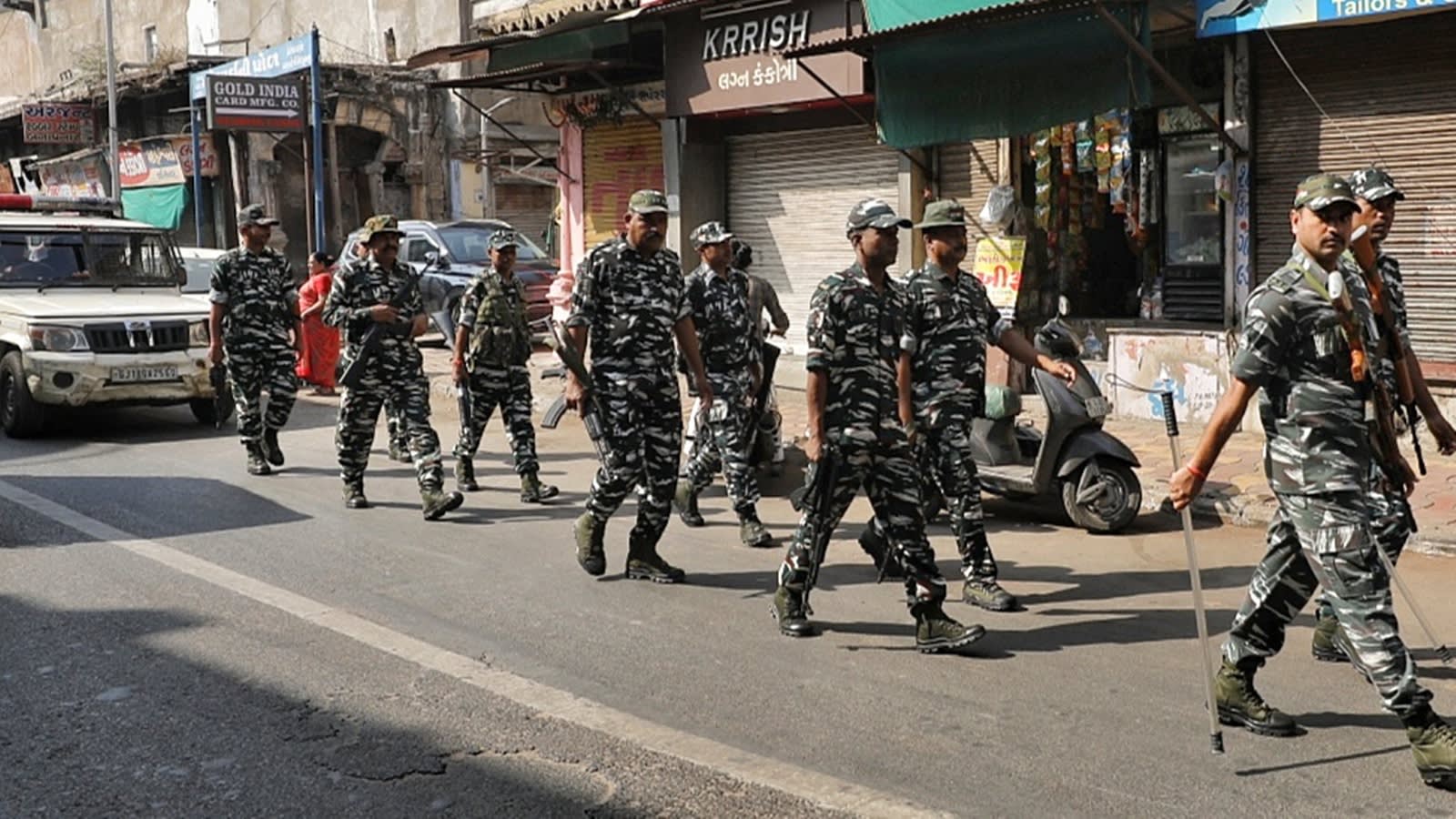
The CRPF is considering reintroducing the Lance Naik and Naik ranks to expand promotional opportunities for its personnel. This move would reverse a 1997 decision that merged these roles, aligning the force more closely with the structure of the Indian Army.
Reevaluating Force Structure: CRPF Moves to Restore Legacy Ranks
The Central Reserve Police Force (CRPF), India's premier paramilitary organization, is currently exploring a significant administrative overhaul. The force has initiated a consultative process to reintroduce the ranks of Lance Naik and Naik, roles that were integrated into the positions of Constable and Head Constable nearly thirty years ago. This proposal marks a pivotal moment in the force's structural evolution, signaling a potential shift back to a more granular hierarchy.
Historical Context and the 1997 Reorganization
To understand the gravity of this proposal, one must look back to 1997, when a Ministry of Home Affairs (MHA) order necessitated the merger of these specific ranks. At the time, the objective was likely to streamline administrative functions and simplify the command structure. However, the decision created a flat hierarchy that has persisted for decades, often resulting in limited advancement opportunities for those in the lower tiers of the paramilitary service.
Aligning with Military Standards
Unlike the CRPF, the Indian Army has consistently maintained the ranks of Lance Naik and Naik, preserving a distinct ladder of progression that rewards experience and service duration. By proposing this reintroduction, the CRPF appears to be seeking greater parity with military standards. This alignment is not merely cosmetic; it is an attempt to integrate structural best practices that have been proven effective in maintaining morale and operational discipline within the armed forces.
Widening Promotional Avenues
At the core of this initiative is the objective to widen promotional avenues for the force's vast number of constables. In a large paramilitary organization, stagnation in rank can lead to personnel dissatisfaction and attrition. By reintroducing these intermediate ranks, the CRPF aims to provide a more tangible career progression path, allowing personnel to achieve rank advancements that reflect their tenure and professional development more accurately than the current system permits.
The Consultative Process
The CRPF has adopted a bottom-up approach to this policy change by instructing lower formations to conduct special sainik sammelans (meetings). By engaging directly with stakeholders, the force leadership is ensuring that the transition is informed by the lived experiences of those who will be most affected. This democratic approach to policy-making is essential for ensuring that the reintroduction of these ranks serves its primary purpose: improving the welfare and career trajectory of the rank-and-file.
Future Implications and Conclusion
Should this proposal be enacted, it will represent a major departure from the administrative status quo of the last three decades. If successfully implemented, it could serve as a model for other paramilitary forces looking to optimize their internal hierarchies. Ultimately, this move reflects a growing recognition that morale and retention are inextricably linked to a transparent and rewarding promotional structure, ensuring the CRPF remains a robust and motivated force capable of meeting its complex internal security mandates.