Fed's Warsh says AI path will be 'very bumpy' but ultimately 'very good' for wealth
Source Entity
US Top News and Analysis
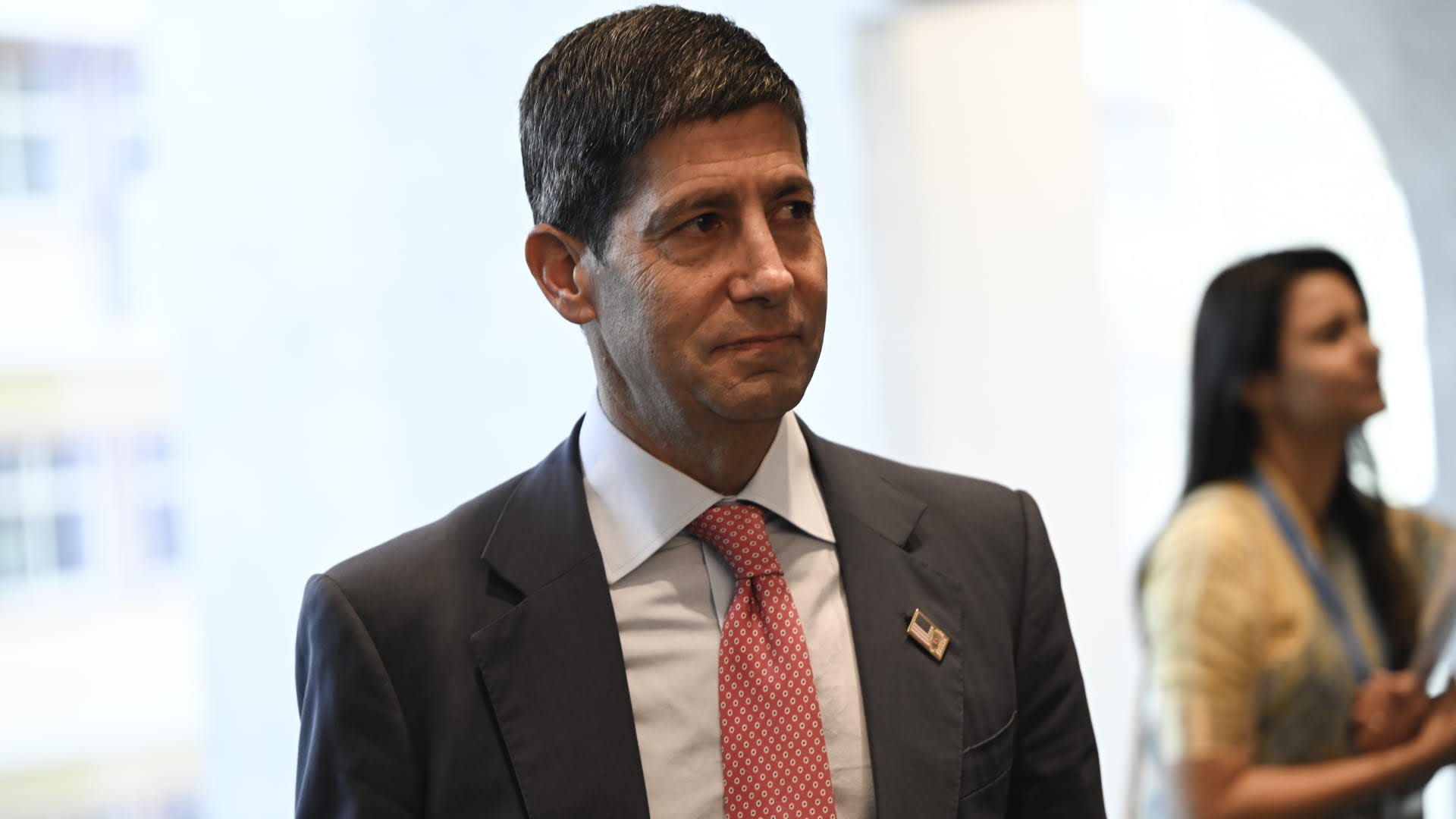
Federal Reserve Chairman Kevin Warsh expressed long-term optimism regarding AI's potential to boost global productivity and wealth. However, he cautioned that the transitional phase will be volatile, with significant uncertainty surrounding short-term impacts on the labor market.
The Economic Frontier: Kevin Warsh on the AI Transformation
During the recent IMF and World Bank annual meetings in Bangkok, Federal Reserve Chairman Kevin Warsh addressed the dual-edged nature of the artificial intelligence revolution. Speaking alongside IMF Managing Director Kristalina Georgieva, Warsh articulated a vision where AI acts as a primary catalyst for future global prosperity. His core thesis suggests that nations capable of integrating these advanced technologies effectively will witness a substantial increase in both productivity and aggregate wealth.
The 'Bumpy' Road Ahead
Despite his long-term bullish outlook, Warsh was careful to qualify his optimism with a stark warning: the transition period will be "very bumpy." This assessment reflects a growing consensus among global economic policymakers that technological shifts of this magnitude rarely occur without significant friction. The "bumpy" nature of this evolution refers to the potential for market volatility, structural economic shifts, and the inevitable societal adjustments required to accommodate AI-driven workflows.
The Labor Market Uncertainty
One of the most critical aspects of Warsh’s commentary was his admission of uncertainty regarding near-term employment. While the promise of AI lies in enhancing human capability and creating wealth, the displacement effect on existing job sectors remains a significant unknown. As industries pivot toward automation, the mismatch between existing skill sets and future demand poses a structural risk that could lead to localized economic distress before the broader benefits of productivity gains are fully realized.
Strategic Integration and Governance
Warsh emphasized that the ultimate success of AI as an economic driver is not guaranteed but depends on "seriousness of purpose." This implies that government policy, private sector investment, and educational reform must move in tandem. Economies that treat AI integration as a strategic priority, rather than a passive technological adoption, are those most likely to navigate the "bumpy" road successfully and emerge as leaders in the next decade of global commerce.
Historical Context and Future Trends
Looking back from a decade hence, Warsh suggested that society will view the current era as a pivotal inflection point. Historically, major technological revolutions—from the Industrial Revolution to the rise of the internet—have followed a similar trajectory: initial disruption and uncertainty followed by a long-term expansion of economic capacity. By acknowledging the volatility of the present, Warsh is setting expectations for a period of transition that requires both resilience and proactive management from central banks and global institutions.
Conclusion
The insights provided by the Federal Reserve Chairman underscore a balanced approach to the AI boom. By tempering technological enthusiasm with economic realism, Warsh highlights that while the destination—a wealthier, more productive global economy—appears attainable, the journey will necessitate careful navigation of labor market shifts and institutional challenges. The focus for policymakers, therefore, must remain on fostering innovation while mitigating the inevitable short-term disruptions.