3 years, 14 protests: Why Madhya Pradesh CM Mohan Yadav has blinked time and again
Source Entity
Anand Mohan J
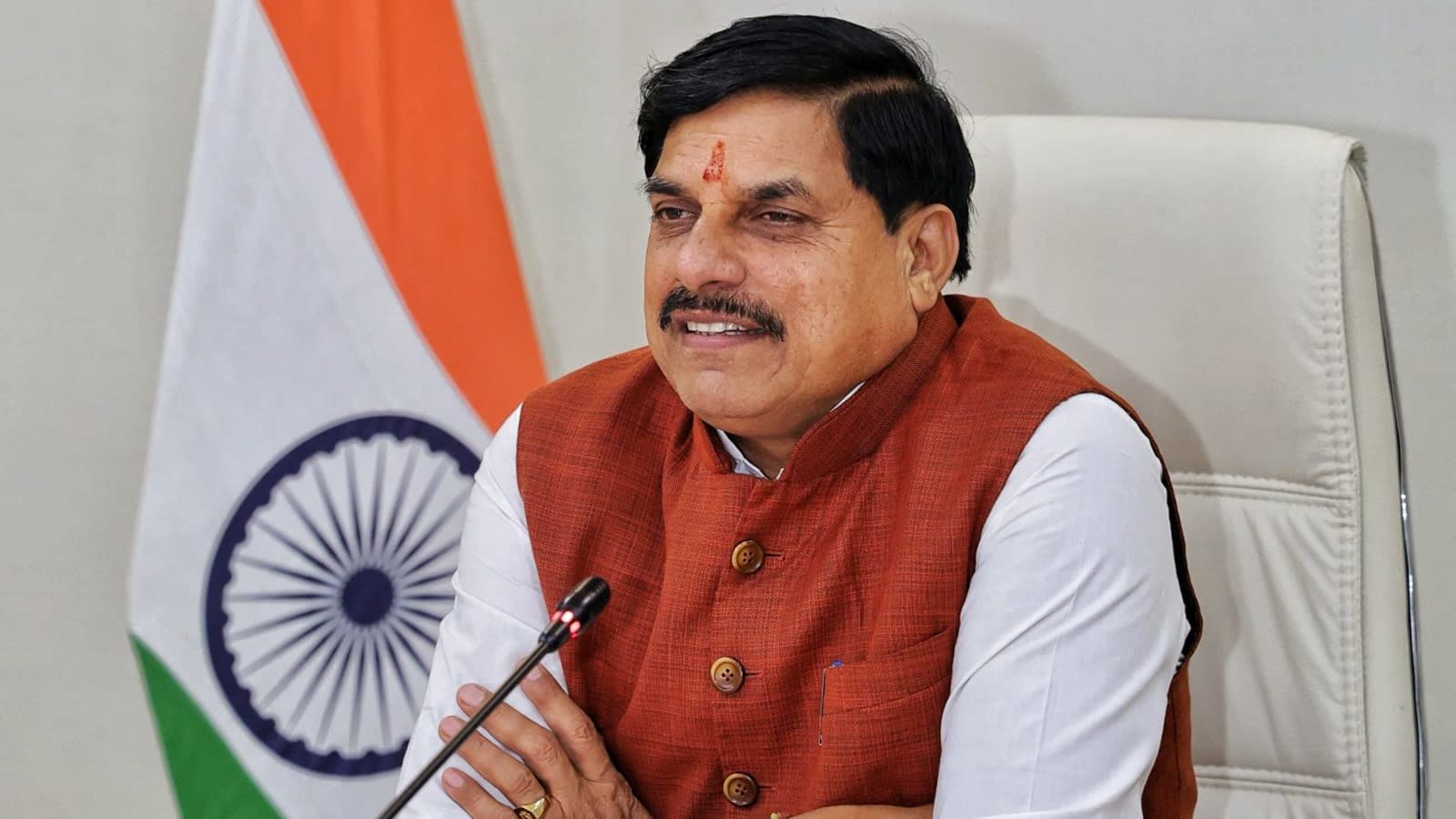
Madhya Pradesh CM Mohan Yadav is facing internal pressure from Union Minister Shivraj Singh Chouhan regarding the controversial demolition of tribal homes in Sehore. The incident has sparked protests, highlighting a complex political dynamic within the state leadership.
The Sehore Demolition: A Test of Political Stability in Madhya Pradesh
Recent developments in Madhya Pradesh have brought into sharp focus the delicate balance of power between current Chief Minister Mohan Yadav and his predecessor, Union Agriculture Minister Shivraj Singh Chouhan. The recent demolition of homes belonging to 12 tribal families in Sehore has served as a catalyst for a public confrontation, forcing the state administration to address grievances that have simmered for years. This incident is not an isolated case of administrative overreach but a flashpoint in a broader narrative of governance, land rights, and internal party dynamics.
The Dynamics of Power and Public Intervention
The public intervention by Shivraj Singh Chouhan, who long represented the nearby Budhni constituency, underscores his continued influence and commitment to his traditional voter base. By visiting the affected families and openly criticizing the officials responsible for the demolitions, Chouhan has effectively signaled that his transition to the Union cabinet has not diminished his role as a stakeholder in state affairs. This move has placed Chief Minister Mohan Yadav in a difficult position, necessitating a late-night meeting to manage the fallout and address the demands for compensation and rehabilitation.
The Tribal Rights Conundrum
The core of the conflict lies in the systemic issues surrounding land titles and the displacement of tribal communities. The families affected in Sehore have been engaged in a long-standing struggle, culminating in a five-day sit-in and a planned march toward Bhopal. Their demands—which include secure land titles, compensation for destroyed homes and crops, and accountability for officials—highlight the persistent gap between state policy and ground-level implementation. The state's response to these demands will be a critical indicator of its commitment to tribal welfare.
Governance Under Pressure
For Chief Minister Mohan Yadav, this situation represents a recurring challenge. Having faced multiple protests during his tenure, the administration's tendency to 'blink' or change course under pressure suggests a reactive rather than proactive governing style. The tension seen in the meeting between Yadav and Chouhan reflects the broader political complexity of managing a state where influential leaders have overlapping spheres of interest. Whether the administration can provide a permanent solution for these tribal families or if this will remain a recurring point of contention remains to be seen.
Future Trends and Implications
Looking ahead, the resolution of the Sehore case will likely set a precedent for how the Madhya Pradesh government handles future land disputes involving marginalized communities. If the state opts for swift rehabilitation and clear legal recourse, it may mitigate further unrest. However, if the grievances remain unresolved, the incident could embolden other groups to utilize similar protest tactics. The political relationship between the current and former Chief Minister will remain a critical variable in how the state navigates these social and administrative hurdles in the coming months.