CJP stages tricolour protest in Pune, seeks CEC’s resignation
Source Entity
Latest News: Todays Latest News Headlines from India & World | Hindustan Times | Hindustan Times
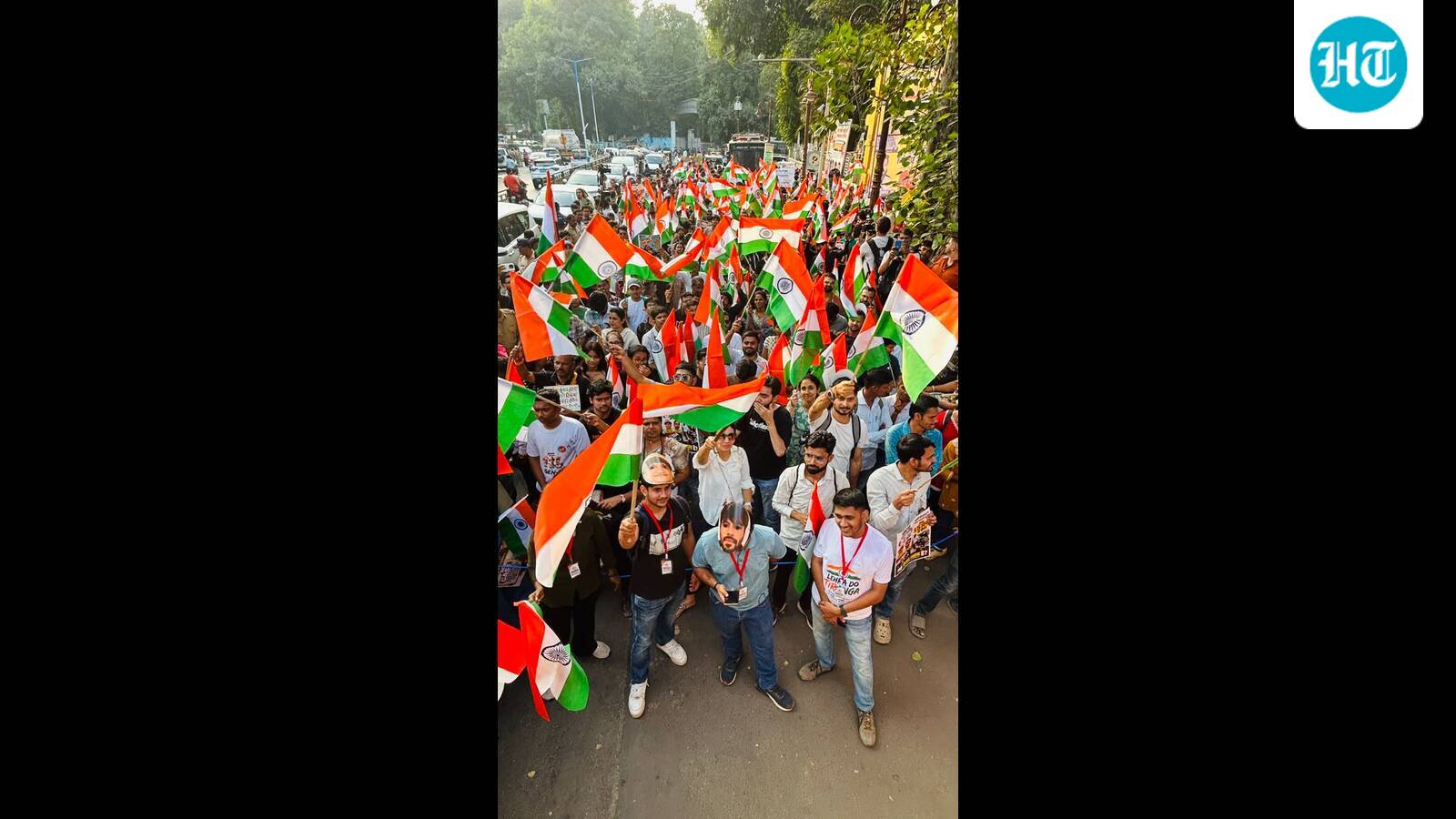
The Cockroach Janata Party (CJP) held a peaceful 'Lehra Do Tiranga' protest in Pune to demand the resignation of CEC Gyanesh Kumar. The demonstrators also called for the release of detained activists and the scrapping of the Special Intensive Revision (SIR) of electoral rolls.
Analysis of the 'Lehra Do Tiranga' Protest in Pune
The Core Demands and Political Context
The 'Lehra Do Tiranga' protest, organized by the Cockroach Janata Party (CJP) near the Pune District Collectorate, serves as a focal point for growing concerns regarding electoral integrity. The demonstrators gathered to voice specific grievances, most notably the demand for the resignation of Chief Election Commissioner (CEC) Gyanesh Kumar. This demand stems from allegations of irregularities within the Special Intensive Revision (SIR) of electoral rolls, a process critical to the transparency of democratic participation.
Civil Liberties and the Right to Protest
A significant motivation behind the rally was the solidarity shown for CJP activists currently detained by Delhi police. By staging the protest at the statue of Dr. B.R. Ambedkar, the organizers sought to underscore the constitutional right to peaceful assembly and the protection of civil liberties. The event, which remained peaceful throughout its duration, highlights a persistent tension between political advocacy groups and law enforcement agencies regarding the legal boundaries of public demonstrations.
Symbolic Mobilization and Public Participation
The use of the Indian national flag—the tricolour—was central to the 'Lehra Do Tiranga' theme. By distributing flags and placards and playing culturally resonant anthems like 'Rang De Basanti' and 'Sadda Haq,' the CJP effectively transformed a political grievance into a symbolic act of patriotism. This strategy was designed to attract a diverse cross-section of society, including students, senior citizens, and representatives from various social organizations, thereby broadening the protest's reach beyond the party's core support base.
Operational Dynamics of the Rally
The protest was characterized by a high degree of organization, evidenced by the use of a mobile stage vehicle and coordinated distribution of promotional materials. Despite the deployment of a police force to monitor the gathering, the event proceeded without any detentions, suggesting a successful navigation of local administrative regulations. The peaceful nature of the rally, held between 4 pm and 6.30 pm, indicates a disciplined approach to public dissent in the face of contentious electoral issues.
Future Implications and Electoral Scrutiny
This event is likely to fuel ongoing discourse regarding the credibility of the SIR exercise and the broader administration of electoral rolls. As the CJP continues to challenge the current Election Commission leadership, the pressure for transparency in electoral revisions will likely increase. Moving forward, the effectiveness of such protests will be measured by whether they lead to formal investigations into the alleged irregularities or prompt policy changes within the electoral oversight mechanism. The Pune rally stands as a clear indicator that electoral transparency remains a volatile and high-priority issue for grassroots political movements in India.
Verification Required?