Neha Bora | The permanence of agitation
Source Entity
India Latest News: Top National Headlines Today & Breaking News | The Hindu
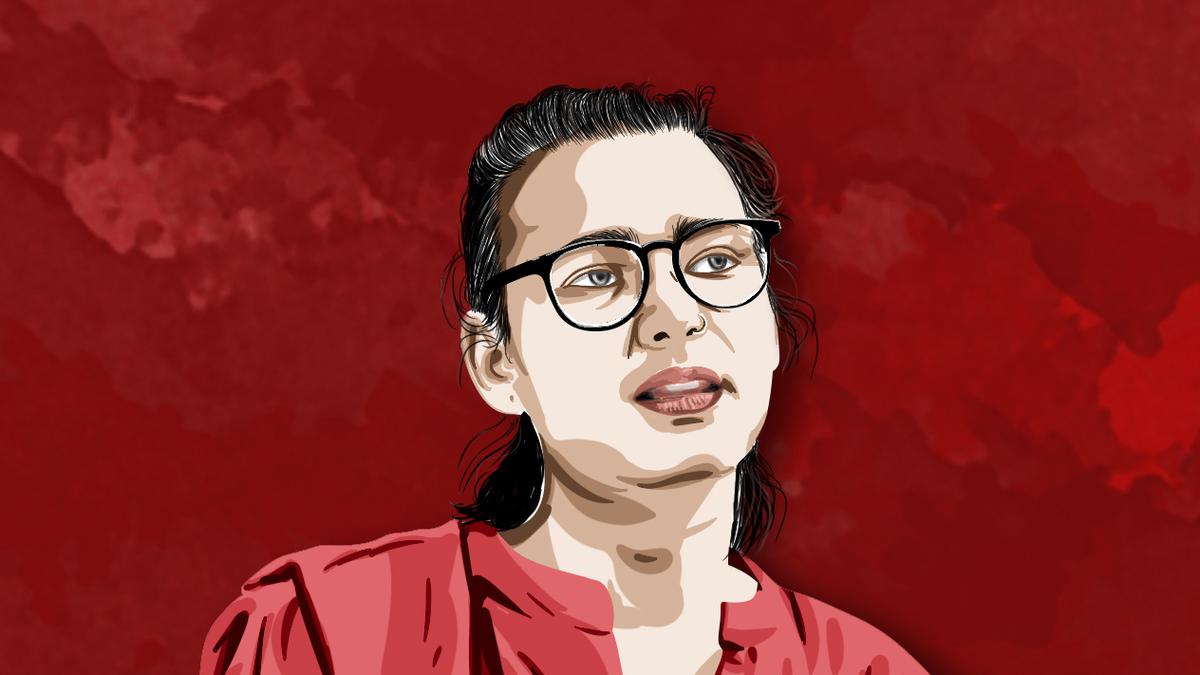
AISA president Neha Bora is leading protests in Delhi against the Special Intensive Revision of electoral rolls. The movement demands the impeachment of CEC Gyanesh Kumar amidst allegations of state suppression.
The Rise of Neha Bora and the New Wave of Student Activism
In the current political climate of India, the emergence of Neha Bora as a central figure in student-led protest movements represents a significant shift in political discourse. As a 29-year-old PhD scholar at Jawaharlal Nehru University (JNU) and the president of the All India Students’ Association (AISA), Bora has transcended local campus politics to become a national symbol of dissent. Their leadership, rooted in the ideology of the Communist Party of India (Marxist–Leninist) Liberation, highlights the ongoing friction between organized student movements and the state apparatus.
The Catalyst: Opposing the SIR
The current wave of agitation, centered in Delhi, is primarily driven by opposition to the Special Intensive Revision (SIR) of electoral rolls. Protesters argue that the mechanisms behind the SIR lack transparency and could jeopardize the integrity of the democratic process. By calling for the impeachment of Chief Election Commissioner Gyanesh Kumar, Bora and their supporters are positioning the Election Commission of India as a focal point of their critique, asserting that the institution’s current trajectory threatens the foundational principles of free and fair elections.
Ideological Underpinnings and Arundhati Roy’s Influence
Bora’s rhetoric is deeply intertwined with literary and political activism, specifically citing the works of Arundhati Roy. By invoking Roy’s vision of a "better world," Bora aligns their movement with a long lineage of Indian intellectual resistance. This framing serves to broaden the scope of the protests from mere policy disagreement to a moral crusade, suggesting that the fight against the SIR is part of a larger struggle for systemic equality and social justice within the Indian republic.
Identity and Representation
The visibility of a non-binary leader at the helm of a major student organization like AISA marks a notable development in the landscape of Indian student politics. Bora’s identity as a non-binary person provides a unique intersectional perspective to the protests, challenging traditional normative structures within the political sphere. This visibility serves as a catalyst for discourse regarding gender inclusivity in political leadership and the role of marginalized voices in shaping national policy.
Historical Context and Future Trajectory
Bora’s ascent to the national spotlight follows a rigorous history of activism, including a documented 23-day hunger strike that solidified their standing within the student community. As these protests against the SIR continue to face state crackdowns, the movement faces a critical juncture. The persistence of these agitations suggests that the issues surrounding electoral integrity are not merely procedural but are viewed by the youth as existential threats to democracy. Moving forward, the effectiveness of this movement will depend on its ability to sustain momentum while navigating increasing state scrutiny.
Verification Required?