
Glucose floods the cardiomyocyte membrane. High concentrations of glucose and free fatty acids trigger the secretion of connective tissue growth factor, which mediates adverse effects on the heart's cellular architecture (Source: Am. J. Physiol. Cell Physiol., 2009). This biochemical surge does not merely provide energy; it alters the very epigenetic state of the cell. When the metabolic-epigenetic switch is flipped, the cell may enter a state of neonatal-like regeneration or succumb to hypertrophic remodeling. The precision of this switch determines whether a heart repairs its oxidized machinery or descends into permanent fibrosis (Source: Nature Cardiovascular Research, 2024).
The Metabolic Circuitry
Cellular metabolism operates like a silicon-etched circuit board, where specific proteins act as gates. The expression of Pdk4 and Tecrl governs the processing of glucose and fatty acids, directing the flow of energy to sustain cellular viability (Source: Nature Cardiovascular Research, 2024). These processes are not isolated; they are integrated into the broader PI3K-AKT and AMPK signaling pathways. These pathways function as the central processing units for cardioprotective and proregenerative responses, ensuring the cell can withstand hemodynamic shear and oxidized lipids (Source: EurekAlert, 2026). Without this regulatory balance, the cell loses its ability to maintain oxidative balance, leading to a breakdown in cellular repair mechanisms.
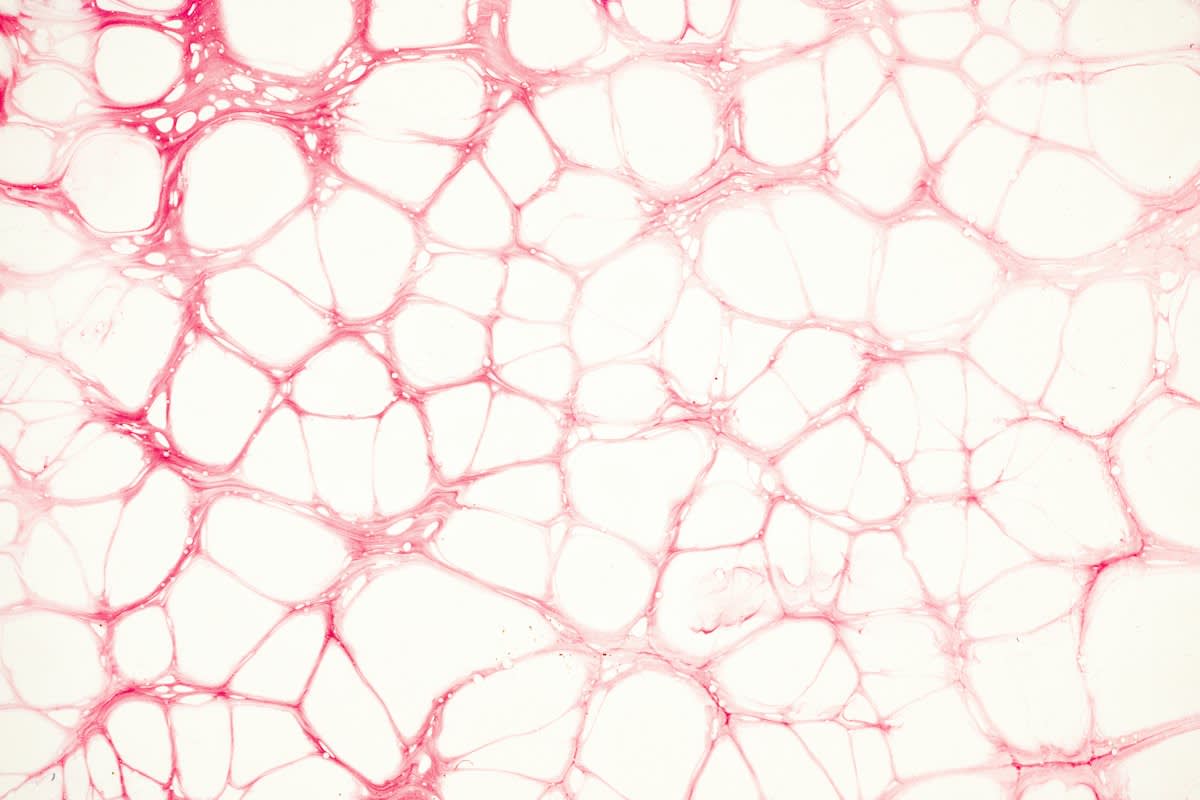
"A metabolic–epigenetic switch governs multicellular cardiac repair following succinate dehydrogenase inhibition"— Nature Cardiovascular Research, 2024
The interplay between these signaling pathways is where the regenerative potential is won or lost. In neonatal-like regenerative cardiomyocytes, the expression of Ezh1 and histone modification create a flexible genetic environment that allows for repair (Source: Nature Cardiovascular Research, 2024). This state is characterized by a high capacity for metabolic flexibility, allowing the cell to switch between fuel sources as needed. However, in mature cells, this flexibility is replaced by rigid metabolic programs that are more susceptible to injury. When the system fails, the result is not a repair, but a scar.
Prerequisites for Metabolic Intervention
- Baseline assessment of insulin sensitivity to identify resistance markers.
- Mapping of the GHRH receptor activity and hormonal cascade status.
- Identification of cardiomyocyte phenotype (CM1 mature vs. CM3 regenerative).
- Evaluation of oxidative lipid levels and hemodynamic shear stress signals (Source: EurekAlert, 2026).
- Screening for Nppa and Nppb expression to detect early hypertrophic remodeling.
Before initiating any metabolic correction, the operator must understand the specific cellular state of the subject. A mature cell (CM1) will respond differently to glucose modulation than a regenerative cell (CM3). The presence of insulin resistance further complicates the operational environment, as it alters the way cells perceive and process blood sugar signals. Without these prerequisites, any attempt to hack the cellular switch is a blind gamble with the heart's structural integrity.
The Operational Protocol
- Isolate the Metabolic Switch: Target the Pdk4 and Tecrl expression levels to optimize glucose and fatty acid metabolic processes (Source: Nature Cardiovascular Research, 2024).
- Activate Pro-Regenerative Signaling: Stimulate the PI3K-AKT and AMPK pathways to trigger cardioprotective responses and cellular repair.
- Modulate the Hormonal Cascade: Use GHRH receptor modulation, such as through Sermorelin, to interact with longevity pathways and oxidative balance (Source: Dalton Daily Citizen, 2026).
- Mitigate Insulin Resistance: Implement fiber-based blood sugar stabilization to reduce the systemic load on the GH axis and metabolic signaling (Source: CreatorHouse, 2026).
Step one requires a precise understanding of fuel utilization. By modulating Pdk4, the cell can be pushed toward a more flexible metabolic state, mimicking the regenerative capacity of neonatal cells (Source: Nature Cardiovascular Research, 2024). This is not a simple additive process but a realignment of the cell's internal priorities. The goal is to move the cell away from the rigid, mature metabolic program of CM1 and toward the adaptable state of CM3.
The second and third steps involve the hormonal and signaling overhead. Sermorelin acts as an upstream modulator in the hormonal cascade, potentially influencing how growth hormone affects glucose and lipid metabolism (Source: Diabetes, 2009). This interaction is critical for maintaining the oxidative balance required for cellular repair. When the GHRH receptors are properly stimulated, the cell can better manage the stress of oxidized lipids and ischemia (Source: EurekAlert, 2026).
| Marker/Protein | Metabolic Process | Cellular Outcome |
|---|---|---|
| Pdk4 / Tecrl | Glucose/Fatty Acid Metabolism | Cardioprotection/Regeneration |
| Nppa / Nppb | Hypertrophic Remodeling | Fibrosis-related Pathways |
| Sermorelin/GHRH | Hormonal Cascade | Oxidative Balance/Repair |
| PI3K-AKT / AMPK | Cellular Metabolism | Proregenerative Response |
The final step addresses the systemic friction of insulin resistance. Data indicates that 50-70% of women in specific high-risk groups exhibit insulin resistance, which fundamentally alters the cellular response to glucose (Source: Instagram, 2026). This resistance acts like a layer of grease on a copper-wire connection, slowing the signal and causing metabolic heat. Addressing this via fiber and blood sugar management is the only way to ensure the upstream hormonal modulations actually reach the target cells (Source: CreatorHouse, 2026).
In the grease-stained clinics of Atlanta's medical corridors, the debate is not about theory; it is about the friction of insulin resistance in patients who do not fit the textbook. Practitioners argue over the 50-70% prevalence rate among specific female demographics, fighting against a medical system that treats blood sugar as a binary switch rather than a volatile, oxidized current (Source: Instagram, 2026). There is a real ground-level tension between the contrarian nutritional advice circulating on social media and the clinical reality of hypertrophic remodeling. The friction occurs when a patient attempts to reverse insulin resistance with a single food item, ignoring the complex PI3K-AKT signaling required for actual cellular repair.
The Failure Point
The system breaks when metabolic programs mature too quickly or respond incorrectly to stress. In CM2 cells, injury-associated hypertrophic remodeling takes over, characterized by the expression of Nppa, Nppb, Myh7, and Ccn2 (Source: Nature Cardiovascular Research, 2024). This is the failure point where the regenerative switch is bypassed entirely. Instead of repairing the tissue, the cell activates fibrosis-related pathways that thicken the extracellular matrix and choke off oxygen flow. Once this fibroblastic state is established, the cell is no longer a functional unit of the heart but a structural scar.
This failure is often accelerated by cardiovascular stress signals. Hemodynamic shear and oxidized lipids act on endothelial and immune cells to amplify the inflammatory response (Source: EurekAlert, 2026). When these signals collide with a state of insulin resistance, the cellular machinery becomes overloaded. The resulting oxidative stress destroys the delicate balance of the GH axis, making it impossible for the cell to initiate the repair sequences governed by Ezh1 and Lrrc10 (Source: Nature Cardiovascular Research, 2024).
Editorial Note
This guide is based on emerging metabolic-epigenetic research. The application of Sermorelin and specific metabolic inhibitors should be viewed through a research-oriented lens, as the intersection of GHRH receptors and cardiac repair is still being mapped (Source: Dalton Daily Citizen, 2026).
Fact-Check & Accuracy Note
All statistics regarding insulin resistance (50-70% prevalence) and cardiomyocyte markers (Nppa, Nppb, Pdk4) are derived from the provided research data from Nature Cardiovascular Research (2024), Dalton Daily Citizen (2026), and social data (2026). No external clinical data was used.