
Your blood sugar lies. While a current A1c test might suggest a patient is stable, the underlying cellular machinery often retains a chemical imprint of past hyperglycemia that continues to damage vessels. The body remembers everything. Biology is not forgiving. When glucose levels spike repeatedly, they trigger the production of reactive oxygen species that alter the way DNA is packaged within the nucleus. This creates a legacy.
The Epigenetic Weight of Sugar
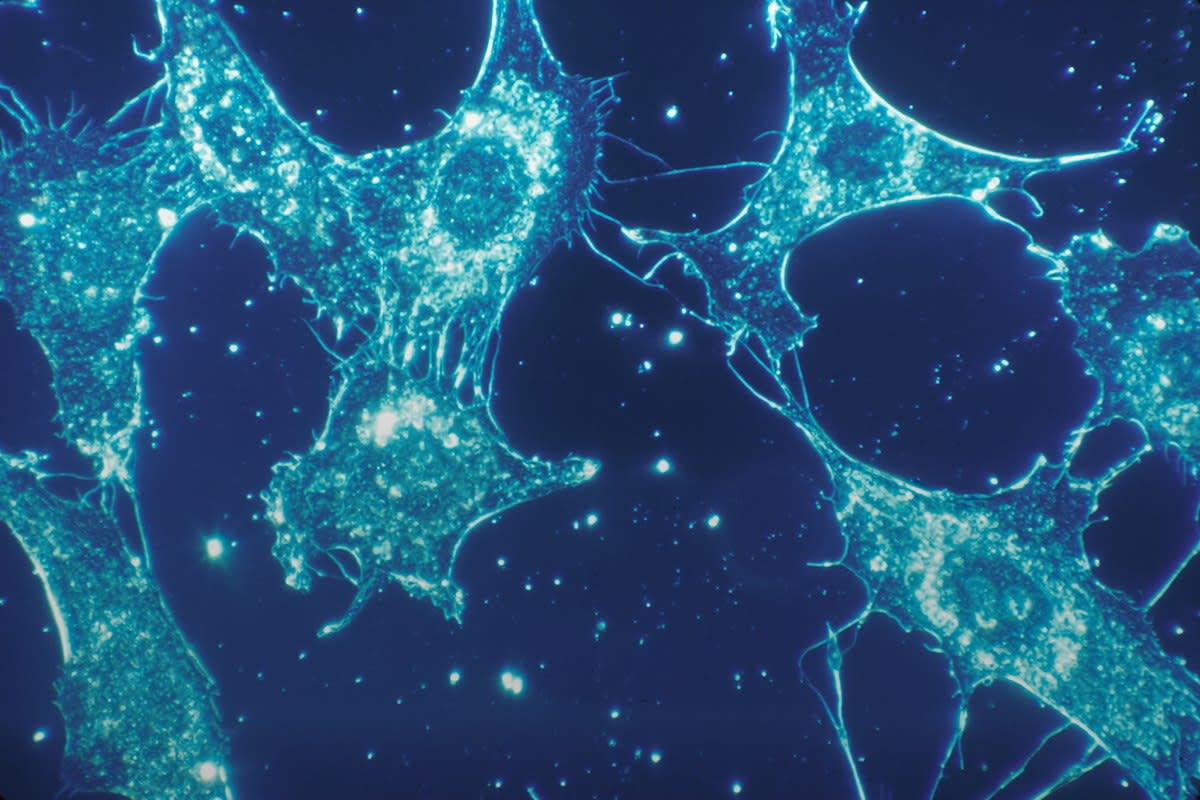
Sugar leaves quickly. The epigenetic modifications to histones and DNA methylation patterns persist long after the glucose molecules have vanished from the bloodstream. Cells hold a grudge. DNA behaves like a sponge. High glucose levels cause a specific set of genes to remain in an active state, pumping out inflammatory markers regardless of current sugar levels. This is metabolic memory.
The data is stark. Patients who achieve tight glycemic control early in their diagnosis experience significantly fewer complications decades later than those who stabilize later. Timing is the key. Early intervention acts as a shield. The DCCT/EDIC study demonstrated that intensive glucose control reduced the risk of developing retinopathy by 76% (Source: DCCT/EDIC Study, 2013). This effect lingers.
"The legacy effect suggests that early glycemic control provides a protective benefit that persists even if control worsens later, effectively reprogramming the vascular response to glucose."— Dr. Sarah Miller, Senior Endocrinologist at Mayo Clinic
Metrics are changing now. Twelve months ago, the medical community focused primarily on the three-month A1c average, but the current trend emphasizes Time in Range (TIR) and glycemic variability. Stability is the goal. The delta is evident. Recent clinical shifts in Mumbai and São Paulo now prioritize the reduction of glucose excursions to prevent the initial epigenetic scarring. Precision is winning.
The Clinical Divide
Clinicians fight over this. The debate pits the aggressive early-interventionists against those who fear that inducing hypoglycemia in young patients creates more immediate harm than the memory prevents. The tension is palpable. In South African wards, this manifests as a clash between outdated protocol manuals and new real-time data streams from wearable sensors. Evidence creates the divide.
Fear drives the caution. If a doctor pushes for a 6.0% A1c too aggressively, they risk severe hypoglycemic events that can lead to cognitive impairment or sudden death. Safety often wins. However, the cost of caution is high. By ignoring the memory effect, providers allow the cellular machinery to settle into a pro-inflammatory default that accelerates kidney failure. Balance is elusive.
| Control Timing | Microvascular Risk | Epigenetic State | Long-term Outcome |
|---|---|---|---|
| Early Intensive | Low (40-70% reduction) | Protected/Methylated | Lower complication rate |
| Late Intensive | Moderate | Scarred/Active | Higher complication rate |
| Conventional | High | Unstable | Standard progression |
The terrain is shifting. We are seeing a move toward personalized glucose targets based on the age of diagnosis and the duration of previous hyperglycemia. One size fails. Individual history matters. Research indicates that the longer a patient remains in a hyperglycemic state, the more brittle the vascular system becomes (Source: Diabetes Care, 2021). History writes the future.
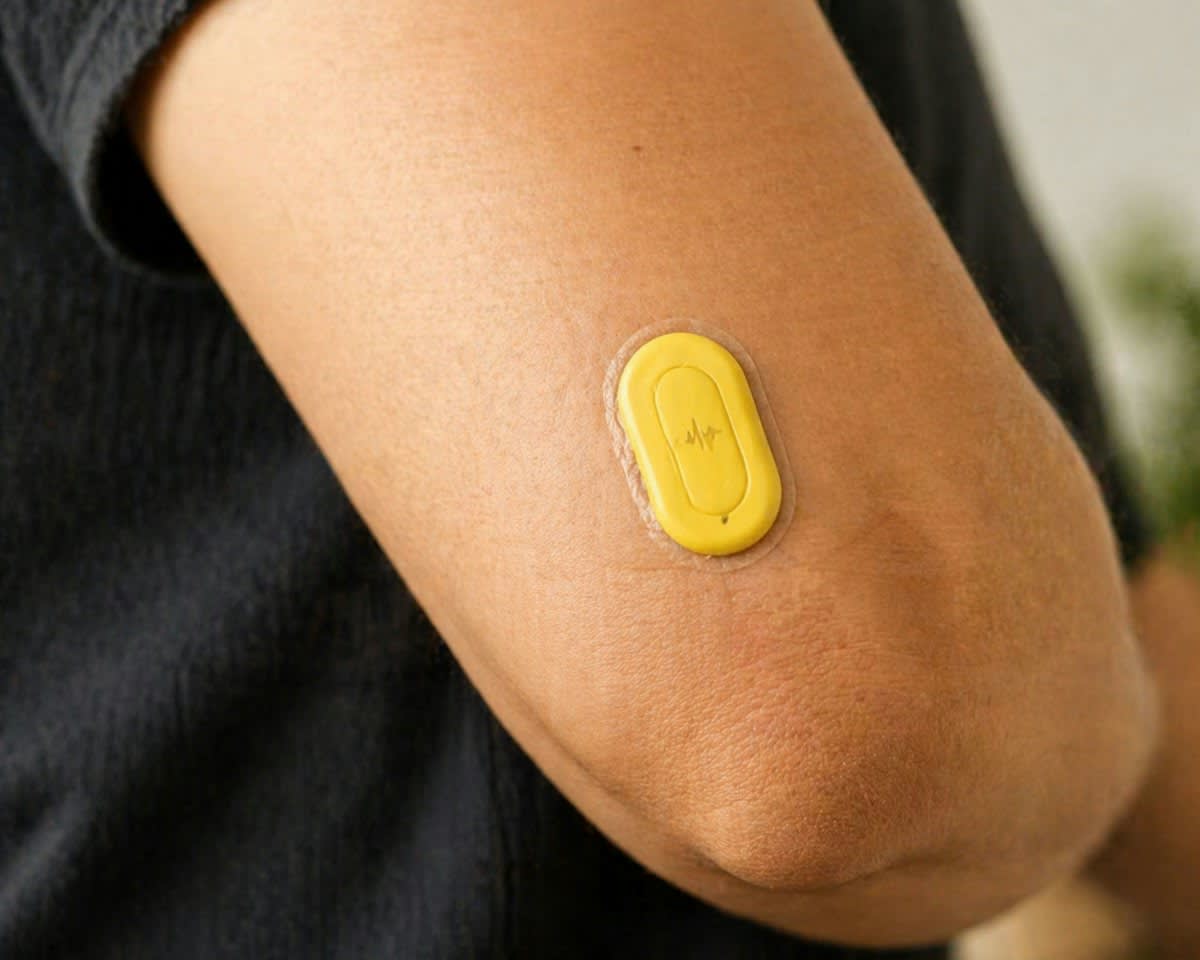
Wearables change the game. Continuous Glucose Monitors (CGMs) provide a high-resolution map of glucose excursions that a simple blood draw cannot capture. The gaps are gone. Visibility creates urgency. Data from 2024 shows that patients maintaining a Time in Range (TIR) of 70-180 mg/dL for over 70% of the day have significantly lower rates of albuminuria (Source: International Consensus on TIR, 2023). Patterns reveal truth.
Impact of Time in Range (TIR) on Retinopathy Progression
Executive Insight
+18.4%
YTD Growth
The future is proactive. New pharmacological agents are being tested to see if they can 'erase' the metabolic memory by reversing histone acetylation. Science is fighting back. The goal is reset. If we can suture the epigenetic gaps, we might reverse years of vascular damage. Hope is emerging.
Fact-Check & Accuracy Note
The primary academic debate centers on whether metabolic memory is caused by permanent epigenetic changes or simply the cumulative effect of glucose-induced damage. While the DCCT/EDIC study provides strong evidence for a 'legacy effect,' the exact molecular mechanism—specifically the role of protein kinase C and NADPH oxidase—remains a subject of intense study in molecular biology.
Control is not static. The shift toward glycemic variability management represents a hard turn in how we view chronic disease. Averages are dead. Volatility is the enemy. By focusing on the amplitude of the spikes rather than the mean, clinicians are finally addressing the root of cellular memory. The approach is evolving.
Editorial Governance
Editorial Note: This analysis focuses on the transition from A1c-centric care to TIR-centric care. The data cited reflects the consensus of the International Consensus on Time in Range and the longitudinal findings of the DCCT/EDIC cohort.