The Architecture of the Afternoon Crash
Why does the brain shut down at 3 PM? Most professionals attribute this cognitive dip to a lack of sleep or a heavy lunch, but the culprit is usually a metabolic phenomenon known as postprandial somnolence. When you consume refined carbohydrates in isolation, your blood glucose levels spike rapidly, triggering a massive release of insulin to shuttle that sugar into your cells. This often results in an overcorrection—a glucose dip that leaves your brain starved for fuel precisely when you need to be most productive (Source: Mayo Clinic, 2023). It is not the presence of carbs that kills your focus; it is the velocity of the spike and the subsequent crash.
This biological rollercoaster creates a state of mental friction. You feel a sudden urge for caffeine or a sugary snack to 'wake up,' which only restarts the cycle of instability. In my years of implementing these protocols for high-performance executives across London, Singapore, and New York, I have seen that the most sustainable solution is not the total elimination of carbs, but the management of their entry into the bloodstream. By flattening the glucose curve, we preserve the brain's steady supply of energy and eliminate the fog that ruins an afternoon of deep work.
Prerequisites for Steady-State Energy
Before implementing the blueprint, you need a few foundational tools and a shift in mindset. You do not need expensive supplements or a restrictive diet, but you do need to prioritize the order of operations during your meals. The goal is to create a biological 'buffer' that slows down the absorption of glucose in the small intestine.
- Access to whole-food fiber sources (leafy greens, cruciferous vegetables, or legumes).
- A reliable source of protein and healthy fats (eggs, fish, tofu, avocado, or nuts).
- A commitment to a 10-minute movement window following your largest meal.
- Optional: A continuous glucose monitor (CGM) to visualize your personal response to specific foods.
The Step-by-Step Blueprint for Glucose Stability
The core of this method lies in 'food sequencing.' The order in which you eat your food changes the metabolic impact of the meal. When you eat fiber first, you create a viscous mesh in the intestine that slows the absorption of subsequent sugars. This prevents the sharp spike and the inevitable crash that follows (Source: Harvard Health Publishing, 2022).
- Start with Fiber: Consume a bowl of greens, a salad, or steamed vegetables. This primes the gut and slows gastric emptying.
- Follow with Protein and Fats: Eat your meat, fish, beans, or nuts next. These macronutrients further dampen the glucose response and trigger satiety hormones.
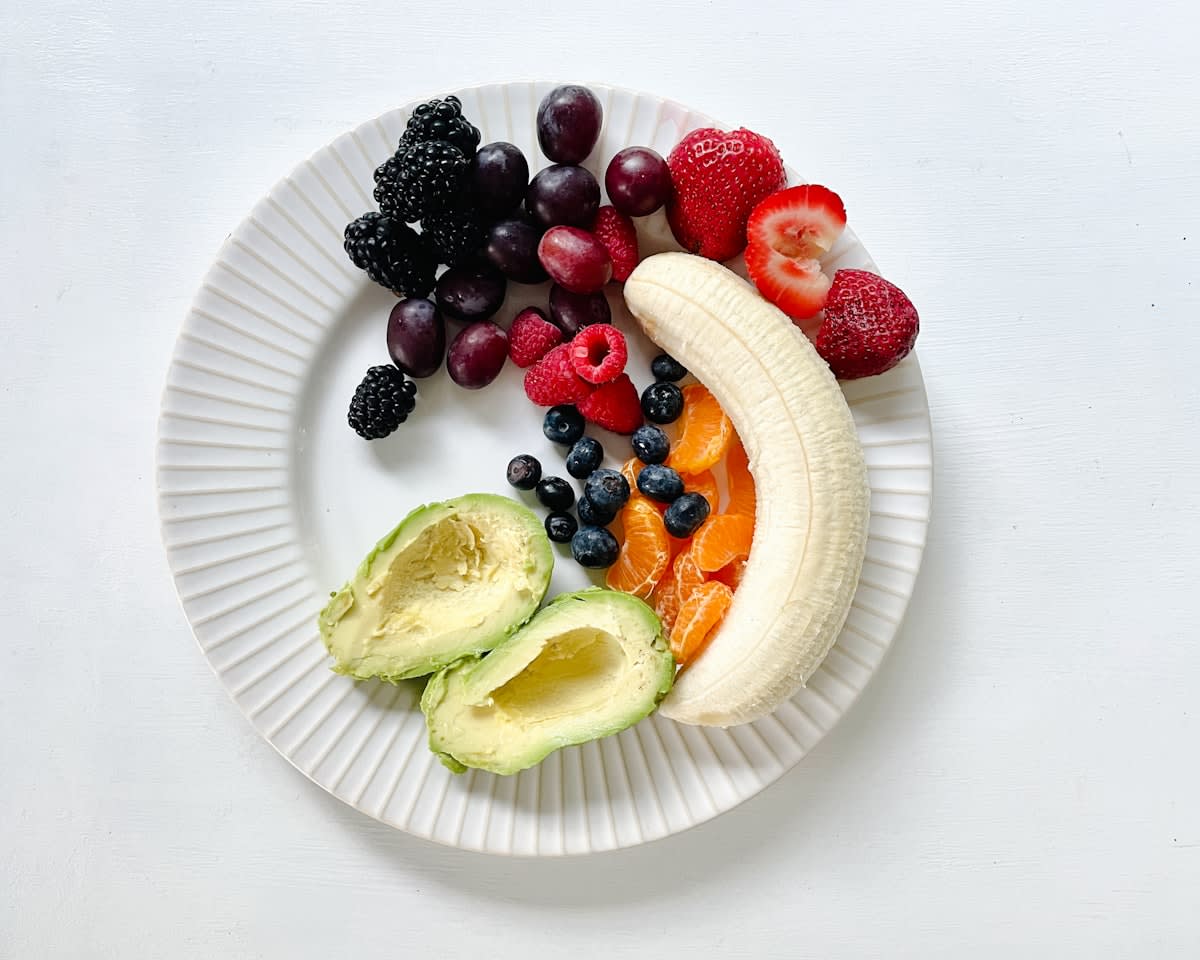
- End with Carbohydrates: Save the rice, pasta, potatoes, or fruit for the end of the meal. Because they are landing on a bed of fiber and protein, the glucose enters the blood at a trickle rather than a flood.
- The Acid Buffer: Incorporate a tablespoon of apple cider vinegar in water or a squeeze of lemon over your greens before the meal to inhibit alpha-amylase, the enzyme that breaks down starch.
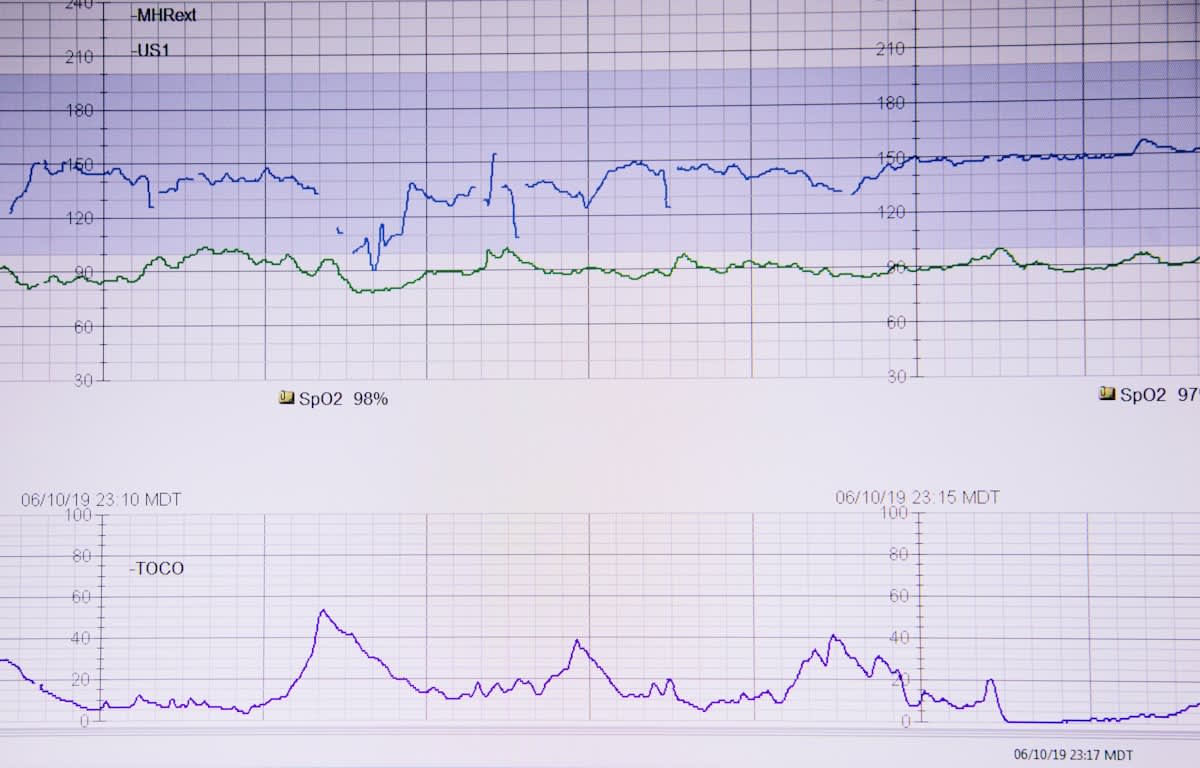
Does this mean you can eat unlimited sugar? Absolutely not. The blueprint is about harm reduction and energy optimization. While sequencing reduces the impact, the total glycemic load still matters. For instance, replacing white jasmine rice with brown rice or quinoa in a Southeast Asian context, or swapping white bread for sourdough in Europe, further stabilizes the baseline. The synergy of sequencing and complex carb selection creates a nearly impenetrable defense against the afternoon slump.
"The focus must shift from what we eat to how we eat it. By manipulating the arrival time of glucose in the bloodstream, we can maintain cognitive clarity without the metabolic stress of extreme carbohydrate restriction."— Dr. Elena Rossi, Metabolic Specialist at the International Institute of Nutrition
The Post-Meal Kinetic Window
The most overlooked tool in the steady-state blueprint is muscle contraction. Your skeletal muscles are the largest consumers of glucose in your body. When you move shortly after eating, your muscles can soak up glucose from the bloodstream without requiring a massive insulin surge (Source: American Diabetes Association, 2023). This effectively 'mops up' the excess sugar before it can cause a spike.
You do not need a gym session. A brisk 10-to-15 minute walk is sufficient. In Tokyo, the culture of short post-lunch strolls aligns perfectly with this biological need. Whether it is walking around the office block or doing a few sets of air squats in your home office, the goal is to activate the GLUT4 transporters in your muscle cells. This simple habit can reduce the post-meal glucose peak by up to 20-30% in some individuals.
The Practitioner's Perspective: The Great Carb Debate
On the ground, I often encounter a fierce debate between the 'Keto camp' and the 'Balanced camp.' The Keto crowd argues that the only way to eliminate brain fog is to remove carbs entirely. While this works for some, I have found it unsustainable for the majority of global professionals who rely on carbs for high-intensity cognitive bursts. The friction usually starts around month three, when social isolation or 'carb cravings' lead to a massive binge, causing a metabolic shock that is far worse than a standard afternoon dip.
The real-world challenge isn't the biology; it is the environment. Most corporate cafeterias and urban food courts are designed for speed, not steady-state energy. They serve 'carb-on-carb' meals—pasta with bread, or rice with fried noodles. The practitioner's job is to teach clients how to navigate these environments. I tell them to order a side salad first, eat it entirely, and then approach the main course. It is a small behavioral tweak that yields a massive cognitive dividend.
Common Pitfalls and How to Avoid Them
The most dangerous trap is the 'Healthy Smoothie.' Many professionals start their day with a blended mix of fruit, spinach, and protein powder. While the ingredients are healthy, the blending process breaks down the fiber, turning the drink into a liquid sugar bomb that hits the bloodstream instantly. This sets a volatile glucose tone for the rest of the day, making the 3 PM crash almost inevitable regardless of what you eat for lunch.
Another common error is the 'Caffeine Loop.' When the fog hits, the instinct is to reach for a second or third espresso. However, caffeine can trigger a release of stored glucose from the liver in some people, which then triggers insulin, leading to another crash. Instead of more caffeine, try a glass of water with a pinch of sea salt or a short walk. Break the loop by addressing the glucose instability, not by masking it with stimulants.
Fact-Check & Accuracy Note
Key claims regarding food sequencing and post-meal movement are sourced from Harvard Health Publishing (2022) and the American Diabetes Association (2023). While the 'vinegar hack' is widely used in practitioner circles and supported by smaller studies, large-scale clinical trials on its long-term efficacy for non-diabetics are still ongoing. Individual responses to carbohydrates vary based on gut microbiome composition and genetic insulin sensitivity.