Meet the home buyers totally unfazed by 7% mortgage rates
Source Entity
Aarthi Swaminathan
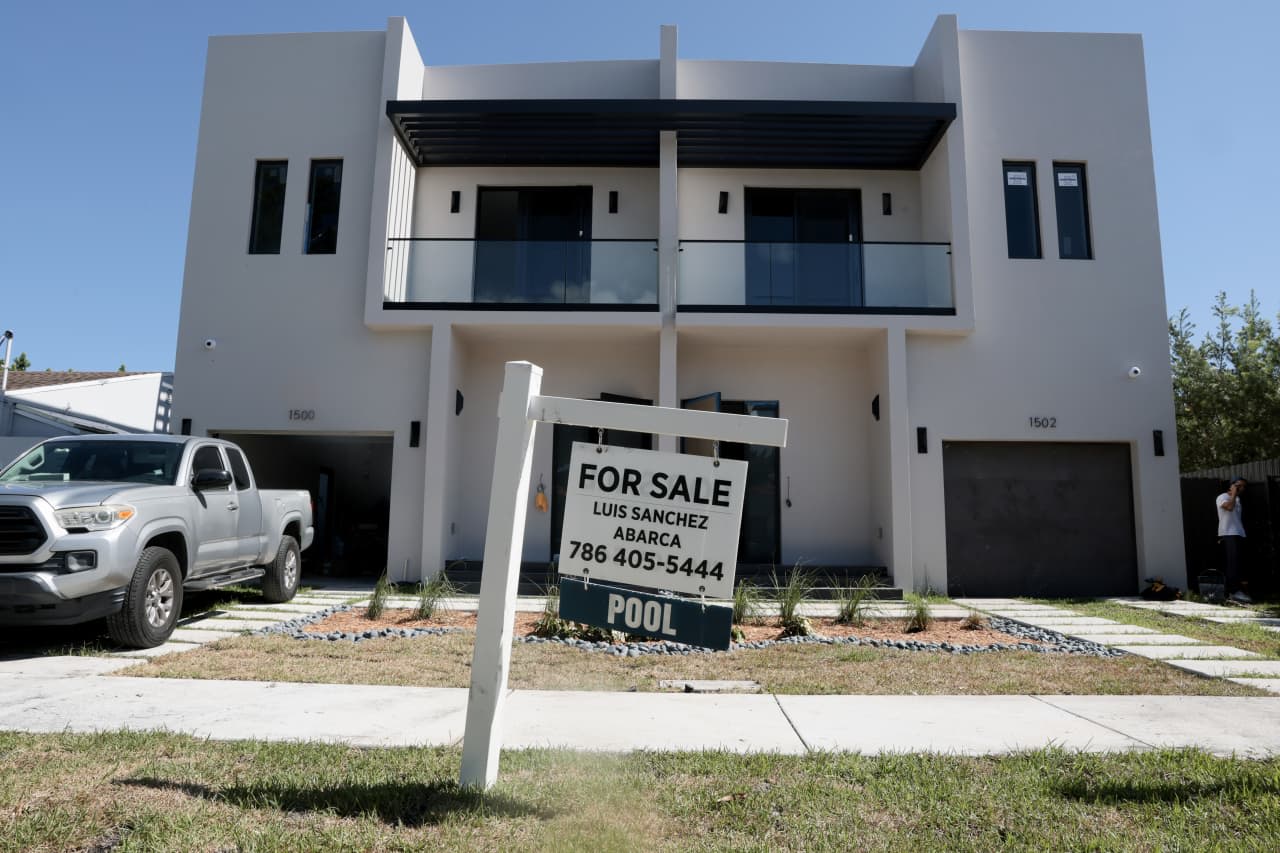
Despite mortgage rates hovering around 7%, individual investors and second-home buyers are increasingly active in the housing market. This demographic now represents one in five home purchases, marking the highest share in over a year.
The Resilience of the Real Estate Investor
In a real estate market characterized by persistent high interest rates, a surprising trend has emerged: individual investors and second-home buyers are not retreating. According to recent data from September, these specific buyer segments accounted for one in five home purchases, representing the highest share of the market for this demographic in over a year. This resilience suggests that despite the restrictive 7% mortgage rate environment, a significant portion of the buying public remains undeterred.
Factors Driving Non-Primary Home Purchases
The decision to enter the market during a high-interest period is often driven by different motivations than those of the typical first-time homebuyer. For individual investors, the primary driver is often long-term wealth accumulation through rental income or property appreciation. These buyers may be more insulated from the immediate shock of mortgage rates if they possess significant cash reserves or are utilizing creative financing strategies that allow them to bypass traditional high-interest lending constraints.
The Shift in Market Composition
This uptick in investor activity signifies a notable shift in market composition. When one in five purchases is attributed to non-primary residents, it indicates that supply—already tight due to 'lock-in' effects where existing homeowners refuse to sell to avoid losing their lower historical rates—is being further constrained for primary residents. This creates a competitive environment where those with deeper capital reserves are outmaneuvering those looking for a primary residence.
Historical Context and Economic Implications
Historically, real estate has served as an inflationary hedge. Even as borrowing costs reached their highest levels in decades, the fundamental scarcity of housing inventory has kept prices elevated. Investors are betting that the long-term utility of the asset outweighs the short-term cost of debt. This trend suggests that the market has entered a 'new normal' where high rates are no longer a sufficient deterrent for those with specific investment mandates.
Future Trends and Market Outlook
Looking ahead, if the share of investor purchases continues to climb, we may see further regulatory discussions regarding the impact of institutional and individual investors on housing affordability. The data from September provides a clear snapshot of a market that is bifurcating: while the average family may find the 7% threshold prohibitive, the investor class is treating it as a standard cost of doing business. This persistence could continue to prop up home prices even in the face of cooling demand from traditional buyers.
Conclusion
The fact that investor activity has reached a year-long high despite the prevailing interest rate environment underscores the complexity of the current housing crisis. It is not merely a matter of supply and demand, but a dynamic struggle between those seeking a roof over their heads and those viewing property as a resilient financial vehicle. As we move forward, monitoring this 20% participation rate will be critical to understanding the long-term affordability and accessibility of the national housing market.
Verification Required?