'Everyone laughed' when he started a pumpkin farm—now it brings in $2 million a year
Source Entity
US Top News and Analysis
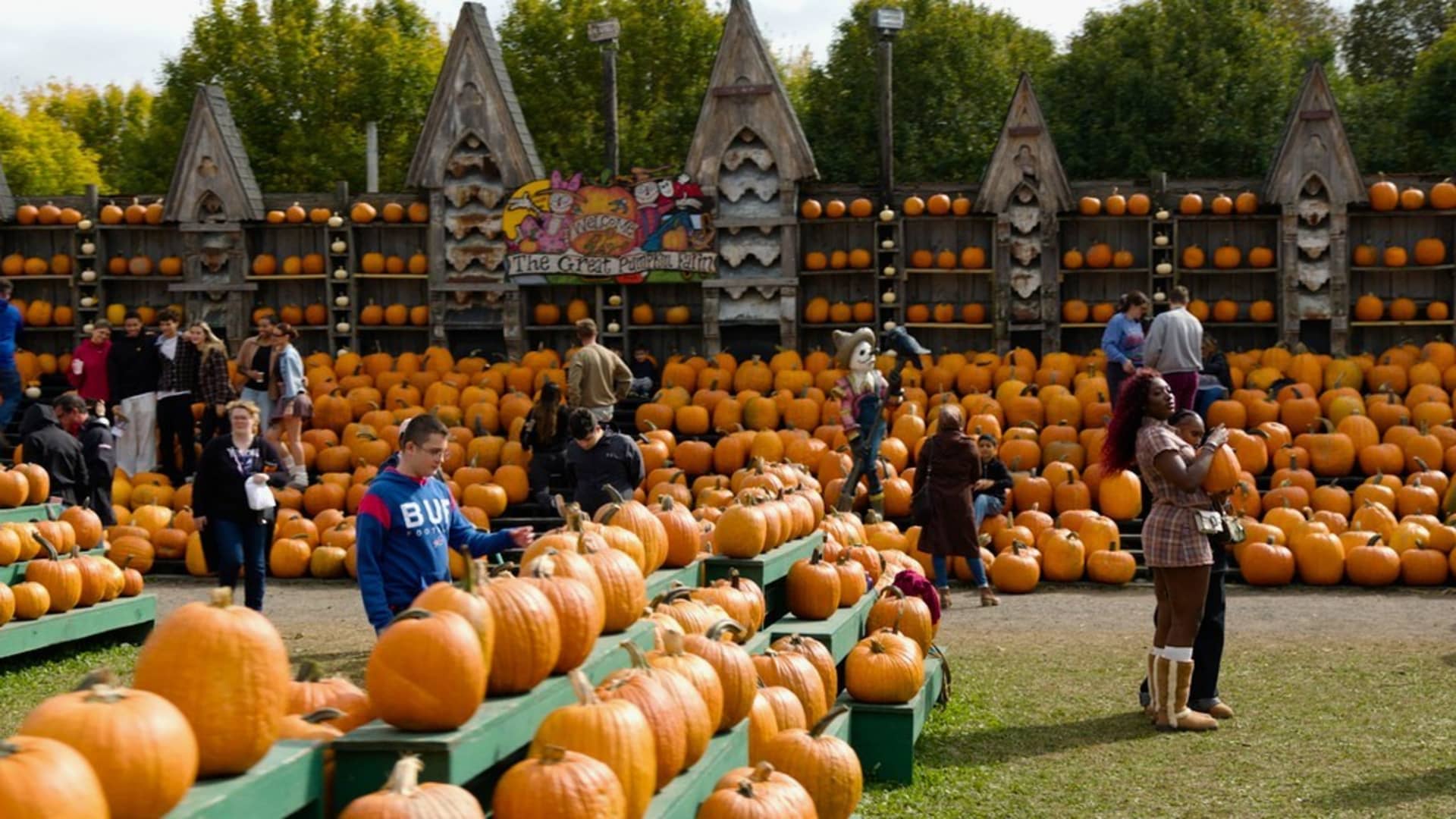
Kelly Schultz successfully transformed a New York pumpkin patch into a lucrative seasonal business generating $2 million annually. By pivoting from antique sales to agritourism, he now attracts over 100,000 visitors during a short seven-week window.
From Skepticism to Success: The Rise of The Great Pumpkin Farm
A Vision Against the Odds
When Kelly Schultz first proposed entering the agricultural sector in 1993, he was met with widespread ridicule. As a second-generation antique seller with no background in farming, his decision to purchase land in Clarence, New York, appeared to many as a whimsical or ill-advised venture. However, Schultz’s narrative serves as a compelling case study on the power of persistence and the ability to identify untapped market niches. What began as a local curiosity has since evolved into a robust economic engine, proving that unconventional business models can yield significant returns when executed with precision.
The Mechanics of Seasonal Revenue
The financial performance of The Great Pumpkin Farm is particularly striking due to its condensed operational window. Generating $2 million in annual revenue within a span of just seven weeks requires a highly efficient business model. By operating strictly from September 19 to October 31, the farm leverages the intense seasonal demand for autumn-themed experiences. This compressed timeline minimizes overhead costs associated with year-round maintenance while maximizing the urgency of the consumer base to participate in fall festivities.
The Shift to Agritourism
Schultz’s success is anchored in his transition from simple farming to the experience economy. Visitors are not merely purchasing pumpkins; they are buying an immersive seasonal experience. By implementing a $20 weekend admission fee, the farm has successfully monetized the "experience" aspect of the visit. This shift towards agritourism is a growing trend in the agricultural sector, where farmers diversify their income streams by offering attractions, entertainment, and hospitality services rather than relying solely on crop yields.
Scaling and Community Impact
Drawing over 100,000 visitors annually to a location 15 miles outside of Buffalo demonstrates significant marketing prowess and effective community engagement. The farm has become a regional staple, transforming a rural plot of land into a destination attraction. This growth highlights the importance of location-based branding and the ability to foster a loyal customer base that returns year after year, effectively turning a niche agricultural product into a lifestyle brand.
Future Trends in Niche Agriculture
The trajectory of The Great Pumpkin Farm suggests a bright future for specialized, seasonal, and experience-based agricultural enterprises. As consumers continue to prioritize experiential spending over material goods, small-scale operators who can curate unique, family-oriented environments are likely to find sustained success. Schultz’s story is a testament to the fact that with innovation, even the most traditional industries can be disrupted and scaled into multi-million dollar enterprises.