Deepak Parekh, Paresh Sukthankar to advise Fairfax on IDBI Bank; NS Kannan tipped for chairman: Prem Watsa
Source Entity
George Mathew
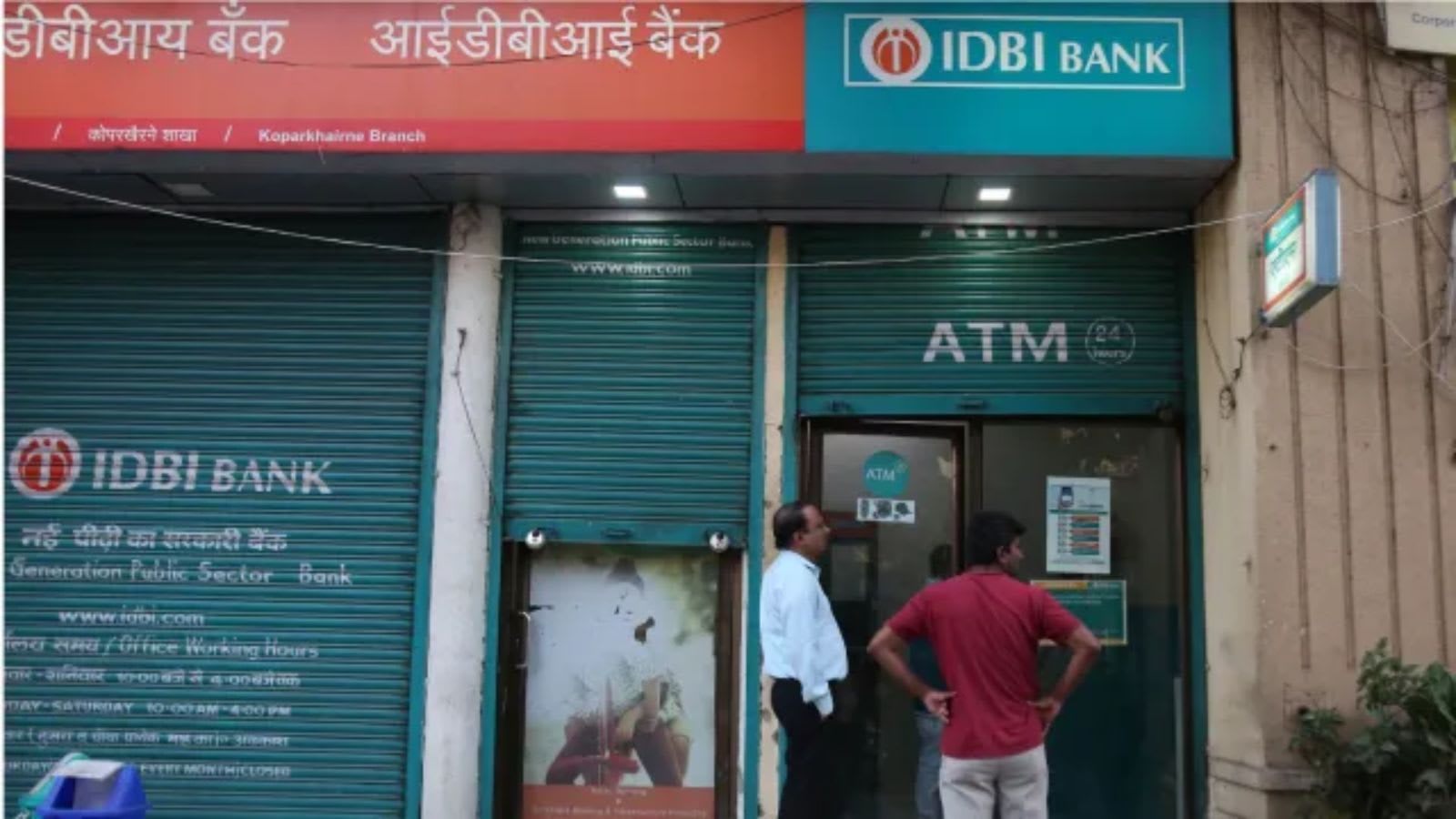
Fairfax Financial Holdings, led by Prem Watsa, will acquire a 60.72% stake in IDBI Bank for Rs 52,878 crore. This landmark deal, supported by industry veterans Deepak Parekh and Paresh Sukthankar, represents the largest FDI in India's financial sector.
A Landmark Shift in India's Banking Landscape
The approval by the Cabinet Committee on Economic Affairs for the sale of a 60.72% stake in IDBI Bank to Toronto-based Fairfax Financial Holdings marks a watershed moment in India’s long-standing disinvestment program. This transaction, valued at Rs 52,878 crore, concludes a complex journey that effectively began in January 2019, when the Life Insurance Corporation of India (LIC) intervened to rescue the then-struggling lender. By offloading this majority stake, the government is successfully shedding a significant financial weight, signaling a pivot toward more robust private-sector participation in systemic banking institutions.
The Strategic Role of Fairfax and Industry Veterans
Fairfax Financial, under the leadership of billionaire Prem Watsa, is not merely acting as a passive investor. To ensure the operational success of this transition, the firm has tapped into the expertise of Indian banking stalwarts. Former HDFC Ltd Chairman Deepak Parekh and former HDFC Bank Deputy MD Paresh Sukthankar have been appointed as advisors to the acquisition. Furthermore, NS Kannan, the former MD and CEO of ICICI Prudential Life Insurance, is slated to take the helm as chairman, pending regulatory approval. This selection of seasoned leadership underscores an intent to leverage deep market knowledge to manage the complexities of transitioning a state-backed entity into a private-sector powerhouse.
Scaling the Disinvestment Milestone
While the government has successfully concluded smaller disinvestments like Neelachal Ispat Nigam Limited and Ferro Scrap Nigam Limited in recent years, the IDBI deal stands in a league of its own. It is the most significant government-led disinvestment since the landmark sale of Air India to Tata Sons five years ago. The sheer scale and complexity of the IDBI transaction serve as a litmus test for the government's ability to execute large-scale privatization, potentially paving the way for future divestment efforts in other sectors.
Strengthening Foreign Investor Confidence
This deal is being hailed as the largest Foreign Direct Investment (FDI) in India’s financial sector to date. It arrives at a time when foreign interest in Indian banking is clearly accelerating, evidenced by recent capital inflows from global giants like Emirates NBD, Sumitomo Mitsui Banking Corporation, and Mitsubishi UFJ Financial Group. These investments in RBL Bank, YES Bank, and Shriram Finance, respectively, suggest that global players are increasingly bullish on the long-term growth prospects of the Indian financial ecosystem.
Future Implications and Operational Turnaround
IDBI Bank enters this new chapter in a much stronger position than it occupied during its 2019 crisis. With improved financial metrics and a reduction in gross non-performing assets (NPAs), the bank is well-positioned for growth under its new private ownership. The integration of global expertise via Fairfax, combined with the bank's cleaned-up balance sheet, suggests a path toward enhanced operational efficiency and competitive performance in the private banking space.
Conclusion: A New Benchmark
The successful closure of the IDBI Bank sale provides a vital psychological and economic boost to India's broader disinvestment strategy. By securing a strategic buyer of Fairfax's caliber and appointing industry veterans to lead the transition, the government has set a high benchmark for future privatization efforts. If this transition proceeds smoothly, it will likely serve as a blueprint for the privatization of other state-held enterprises, reinforcing the narrative that India remains a fertile ground for high-value foreign investments.
Multiple Citing Sources