Imagine your brain as a bustling metropolis. During the day, the streets are packed with neurons firing, processing information, and generating a massive amount of metabolic trash. This debris isn't just an inconvenience; it is a collection of toxic proteins like amyloid-beta and tau that can lead to cognitive decay if left to accumulate. For years, we wondered how the brain managed its waste without a traditional lymphatic system. The answer lies in a specialized plumbing network known as the glymphatic system, which operates primarily while you are unconscious.
Prerequisites for Neural Detoxification
The glymphatic system cannot function on a part-time basis or during light slumber. It requires a very specific physiological state to initiate the cleaning cycle. Specifically, the brain must enter restorative non-REM slow-wave sleep. In this state, the brain's metabolic activity shifts, allowing the physical structure of the neural tissue to change. Without this deep dive into slow-wave sleep, the biological dishwasher never turns on, leaving the metabolic debris of the day to settle into the creases of your cortex.
- Entry into non-REM slow-wave sleep cycles
- Reduction in neuronal activity to allow for physical cellular shrinkage
- Presence of cerebrospinal fluid (CSF) to act as the solvent
- Clear pathways surrounding blood vessels for fluid transport
Why does this only happen at night? When you are awake, your neurons are tightly packed and actively processing data, which leaves virtually no room for waste disposal. The sheer density of active neural communication creates a physical barrier to fluid flow. It is only when the brain enters its deepest sleep phases that the architecture shifts enough to allow for a systemic flush. This is not a passive process; it is a dynamic, mechanical operation that requires precise timing and biological conditions.
This transition from an active processing state to a cleaning state is the pivot point for cognitive resilience. If this window is missed, the brain essentially skips its nightly maintenance. We are seeing the results of this in various clinical contexts, where the failure of these fluid pathways correlates with the buildup of proteins associated with dementia. The system is elegant, but it is also fragile, relying on the integrity of the blood-vessel pathways to move fluid through the tissue.
The Step-by-Step Mechanics of the Glymphatic Flush
Understanding how the brain flushes waste requires looking at the cellular level. It is not a simple drain, but a complex interaction between cells and fluid. The process follows a strict biological sequence to ensure that the most toxic byproducts are removed without damaging healthy tissue.
- Initiation of Non-REM Sleep: The brain enters slow-wave sleep, signaling the start of the maintenance cycle.
- Cellular Shrinkage: Brain cells physically shrink, which expands the interstitial space between cells by roughly 60 percent (Source: Unusual Facts, 2026).
- CSF Influx: Pulses of cerebrospinal fluid (CSF) rush through the expanded tissue, acting like a biological dishwasher.
- Protein Capture: The fluid washes away accumulated metabolic debris, specifically targeting amyloid-beta and tau proteins (Source: Unusual Facts, 2026).
- Waste Export: The captured proteins are pushed through fluid pathways surrounding blood vessels and exported out of the brain.
Does this 60 percent expansion sound like a lot? It is a massive structural shift. This expansion is what allows the CSF to penetrate deep into the brain tissue rather than just skimming the surface. By widening these gaps, the brain transforms from a solid mass of activity into a porous sponge, allowing the fluid to reach the deepest recesses where tau proteins often aggregate. This is the only known natural mechanism for removing these specific toxic proteins.
"The glymphatic system functions as the brain’s waste-clearance network, helping remove proteins and metabolic byproducts through fluid pathways surrounding blood vessels."— Investigators at Nationwide Children’s Hospital
This process is not uniform across all ages or conditions. Recent research suggests that the glymphatic system may behave differently during specific developmental or pathological windows. For instance, imaging studies have found unexpected patterns in adolescents experiencing first-episode psychosis (FEP), where there is actually increased activity in the waste clearance system (Source: Pediatrics Nationwide, 2026). This suggests the system might be attempting to prune or remodel the brain during periods of acute psychological shift.
This leads us to the friction between research and clinical application. While we can observe these patterns through MRI markers like ALPS, there is a constant debate among practitioners about whether these markers reflect actual functional clearance or simply a reaction to neural remodeling. In the field, we struggle with the 'ugly' reality that seeing fluid movement on a scan doesn't always mean the proteins are being successfully exported. The gap between imaging a biomarker and proving a clinical outcome is where most of the current professional tension resides.
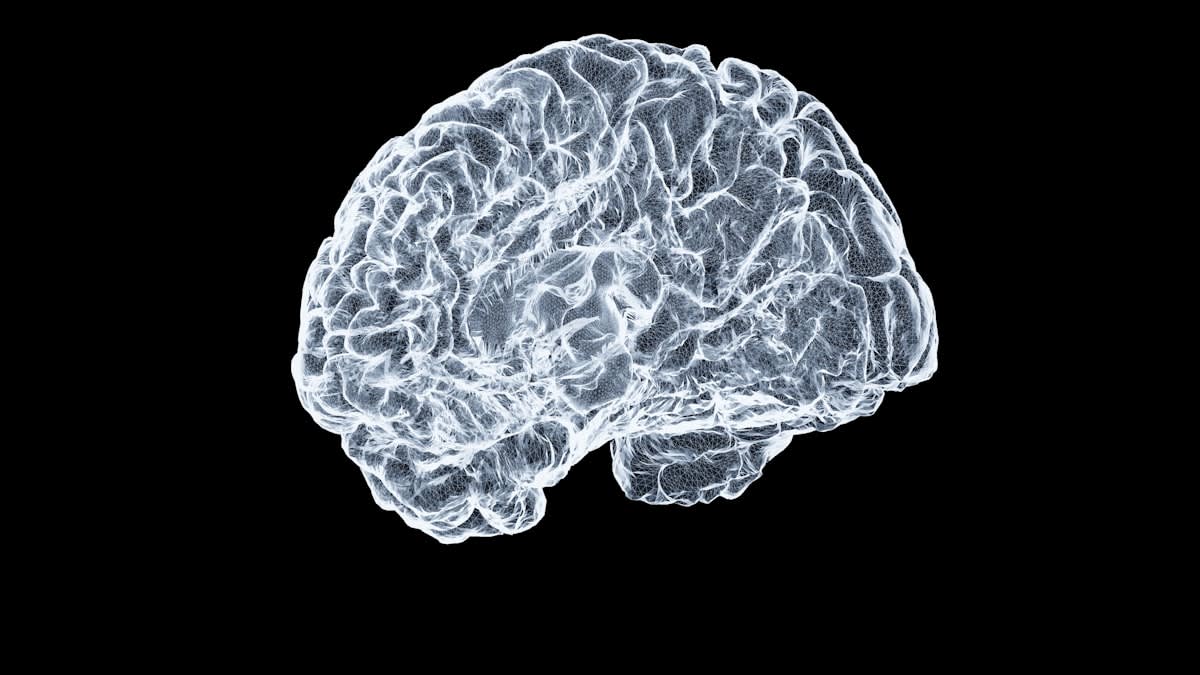
When the natural system fails, the medical community is now looking toward radical interventions. We are seeing the emergence of dcLVA, a revolutionary neck microsurgery designed to physically drain toxic Alzheimer's proteins from the brain (Source: Streamline Feed, 2026). This represents a shift from pharmacological attempts to clear proteins to a mechanical approach—essentially installing a better drain for a clogged sink.
Common Pitfalls and Implementation Failures
The most common failure in maintaining this system is the 'all-nighter' culture. Pulling an all-nighter doesn't just make you tired; it effectively shuts down the brain's cleaning cycle (Source: Unusual Facts, 2026). When you bypass non-REM slow-wave sleep, you are essentially leaving a day's worth of toxic proteins in your neural tissue. Over time, these missed cycles compound, creating a baseline of metabolic waste that the brain can no longer clear even with a single night of good sleep.
Another pitfall is the assumption that any sleep is sufficient. Light sleep or fragmented sleep does not trigger the 60 percent expansion of the interstitial space. If you are waking up every two hours, your brain may never reach the depth required for the CSF to rush through the tissue. This is why chronic sleep fragmentation is so closely linked to cognitive decline; the 'dishwasher' is being turned off mid-cycle, leaving the brain partially cleaned and still contaminated.
Finally, there is the danger of ignoring the structural health of the neck and blood vessels. Since the glymphatic system relies on fluid pathways surrounding blood vessels and exits through the neck, any systemic vascular issue can impede the flow. This is why the focus on microsurgeries like dcLVA is so critical—it acknowledges that the problem isn't always a lack of 'cleaning fluid,' but rather a blockage in the pipes that lead out of the skull (Source: Streamline Feed, 2026).
Fact-Check & Accuracy Note
The key claims regarding the 60% expansion of interstitial space and the role of non-REM sleep are sourced from findings led by Dr. Maiken Nedergaard at the University of Rochester (Source: Unusual Facts, 2026). The data on adolescent psychosis and ALPS imaging is sourced from Nationwide Children's Hospital (Source: Pediatrics Nationwide, 2026). The emergence of dcLVA microsurgery is documented by Streamline Feed (Source: Streamline Feed, 2026). Ongoing debate exists regarding the use of ALPS as a definitive biomarker for functional waste clearance.
Editorial Note
This guide is intended for educational purposes and represents the current understanding of glymphatic function. It does not constitute medical advice. Consult a neurologist for concerns regarding cognitive decay or sleep disorders.