
The calendar is a lie. For centuries, we have relied on the Gregorian system to track our decline, assuming that a person born in 1974 possesses the same biological trajectory as any other person born in that same year. This assumption is not just simplistic; it is scientifically bankrupt. While your passport insists you are fifty, your cells might be screaming that you are sixty-five, or perhaps whispering that you are barely forty. The emergence of epigenetic clocks, specifically the GrimAge algorithm, transforms age from a static number into a dynamic, measurable variable. We are no longer guessing when the engine might fail; we are reading the wear and tear on the pistons in real-time.
Why does this shift matter? Because the traditional medical model is reactive. It waits for the heart to stop or the tumor to grow before it intervenes. GrimAge flips this script by analyzing DNA methylation—the chemical tags that turn genes on and off—to predict mortality and morbidity with startling precision. By focusing on a specific set of CpG sites associated with plasma proteins and smoking history, GrimAge doesn't just tell you how old you are; it tells you how much time you have left if you maintain your current trajectory. This is not a crystal ball; it is a high-resolution biological audit.
The Epigenetic Engine: How GrimAge Operates
At its core, GrimAge leverages the complexity of the methylome. While first-generation epigenetic clocks focused on the general pace of aging, GrimAge is a second-generation tool designed specifically to predict lifespan. It integrates DNA methylation patterns with the estimated levels of proteins in the blood that are known markers of aging and inflammation. This creates a composite score that correlates more strongly with actual death dates than any previous biological marker. When a person discovers their biological age exceeds their chronological age by five years, they aren't just looking at a statistic; they are seeing a window of opportunity to intervene before the damage becomes irreversible.
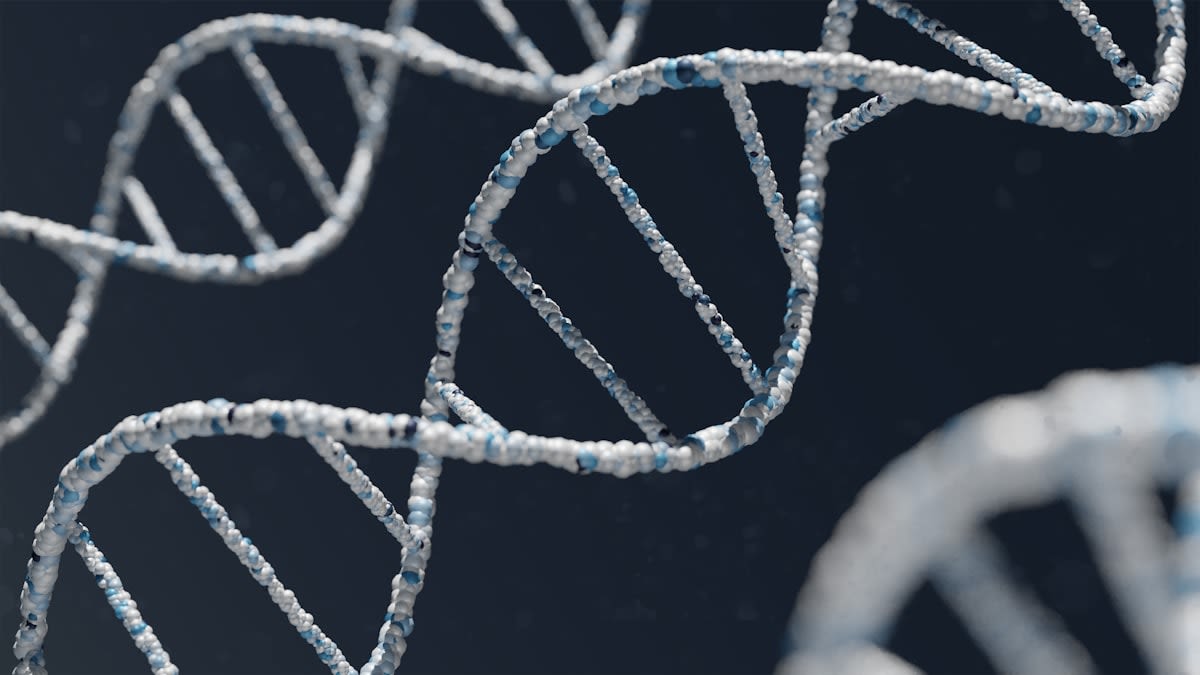
Does this mean we have found the countdown timer for human existence? Not exactly. The power of these clocks lies in their plasticity. Unlike your birth date, your biological age can move. Data suggests that aggressive lifestyle interventions—ranging from caloric restriction to pharmacological senolytics—can actually slow or even reverse the epigenetic clock. This transforms the 'death date' from a sentence into a target. The gamble is no longer about whether we will age, but how efficiently we can manipulate the biological markers that dictate the speed of that process.
| Metric | Focus | Primary Indicator | Predictive Power |
|---|---|---|---|
| Chronological Age | Time elapsed since birth | Calendar date | Low (Population average) |
| PhenoAge | Physiological health | Biomarkers + Chronological Age | Moderate (Morbidity) |
| GrimAge | Mortality risk | DNA Methylation + Plasma Proteins | High (Lifespan/Death Date) |
This transition from population-level averages to individual-level precision marks a systemic shift in healthcare. We are moving toward a world where the 'average' patient no longer exists. In high-income hubs like Singapore or Zurich, we are already seeing the integration of these clocks into executive health screenings. These individuals aren't looking for a diagnosis of a disease they already have; they are looking for the absence of health they haven't yet lost. It is the ultimate luxury: the ability to quantify the invisible decay of the body.
"The goal is not to live forever, but to ensure that the biological age of our organs matches the chronological age of our ambitions."— Strategic Analysis on Longevity
However, this precision brings a darker systemic implication. If a biological death date becomes a quantifiable metric, who owns that data? Imagine a world where life insurance premiums are adjusted monthly based on your epigenetic clock. If your GrimAge jumps three years due to a period of high stress and poor sleep, does your premium spike? Or worse, does a potential employer in a highly competitive market like Tokyo or New York screen for biological age to ensure they are hiring 'long-term' assets? We are creating a new form of biological stratification.
The Epigenetic Divide
The emergence of biological age tracking could lead to the creation of a 'Biological Elite'—a class of people who can afford the continuous monitoring and epigenetic interventions required to keep their biological clocks running slow, while the rest of the population ages at the natural, accelerated rate.
The global landscape of this technology is uneven. While the West focuses on the consumerization of longevity, other regions are exploring the public health implications. In parts of East Asia, where aging populations are putting immense pressure on social security systems, the ability to predict and delay the onset of frailty using GrimAge could save billions in healthcare costs. The objective shifts from extending life for the sake of vanity to extending the 'healthspan'—the period of life spent in good health—thereby reducing the economic burden of the elderly.

But we must ask: does knowing your biological death date actually improve your life? There is a psychological paradox at play. For some, the data acts as a catalyst, driving them toward rigorous exercise and nutritional discipline. For others, it may induce a state of biological fatalism. If the clock says you are aging rapidly despite your efforts, do you double down or give up? The industry is currently betting on the former, assuming that human nature is driven by the desire to 'beat the game' of mortality.
The gamble of GrimAge is that by quantifying the end, we actually extend the middle. We are essentially treating the human body as a piece of software that can be patched and optimized. By identifying the specific methylation sites that are accelerating, researchers can target the biological pathways responsible for that decay. This is the frontier of preventive health: moving from general wellness advice to molecular-level interventions.
As we integrate these tools, the definition of 'health' itself is evolving. Health is no longer the absence of disease, but the optimization of biological time. This shift will likely disrupt every industry that touches human life, from pharmaceuticals to urban planning. Cities may be redesigned for a population that remains biologically forty well into their seventies. Work cycles may be extended, and the traditional retirement age of sixty-five will become an obsolete relic of a time when we didn't know how to read our own clocks.
Ultimately, the GrimAge gamble is about agency. For the first time in history, we are moving from being passive passengers of our genetics to being the engineers of our own aging process. Whether this leads to a utopia of extended vitality or a dystopia of biological surveillance depends entirely on the governance structures we build around this data. The clock is ticking, but for the first time, we have our hands on the dial.
Growth of the Global Longevity and Biological Age Testing Market
Executive Insight
+18.4%
YTD Growth