
Most people confuse lifespan with healthspan. Lifespan is a quantitative measure—how many years you happen to exist. Healthspan is qualitative; it is the period of life spent in good health, free from the chronic diseases and cognitive decline that often characterize the final decades of human existence. We have become remarkably good at keeping people alive in a state of frailty, but we are failing to keep them functional. To extend your biological prime, you must stop treating aging as an inevitable slide and start treating it as a manageable biological process.
The goal is not to live to 120 in a nursing home. The goal is to maintain the strength, cognitive clarity, and metabolic flexibility of a 30-year-old well into your 70s or 80s. This requires a shift from reactive medicine—treating symptoms as they appear—to proactive engineering. You are essentially auditing your biological systems to identify where the friction is occurring and applying targeted interventions to reduce that friction before it manifests as a clinical diagnosis.
Prerequisites: The Biological Audit
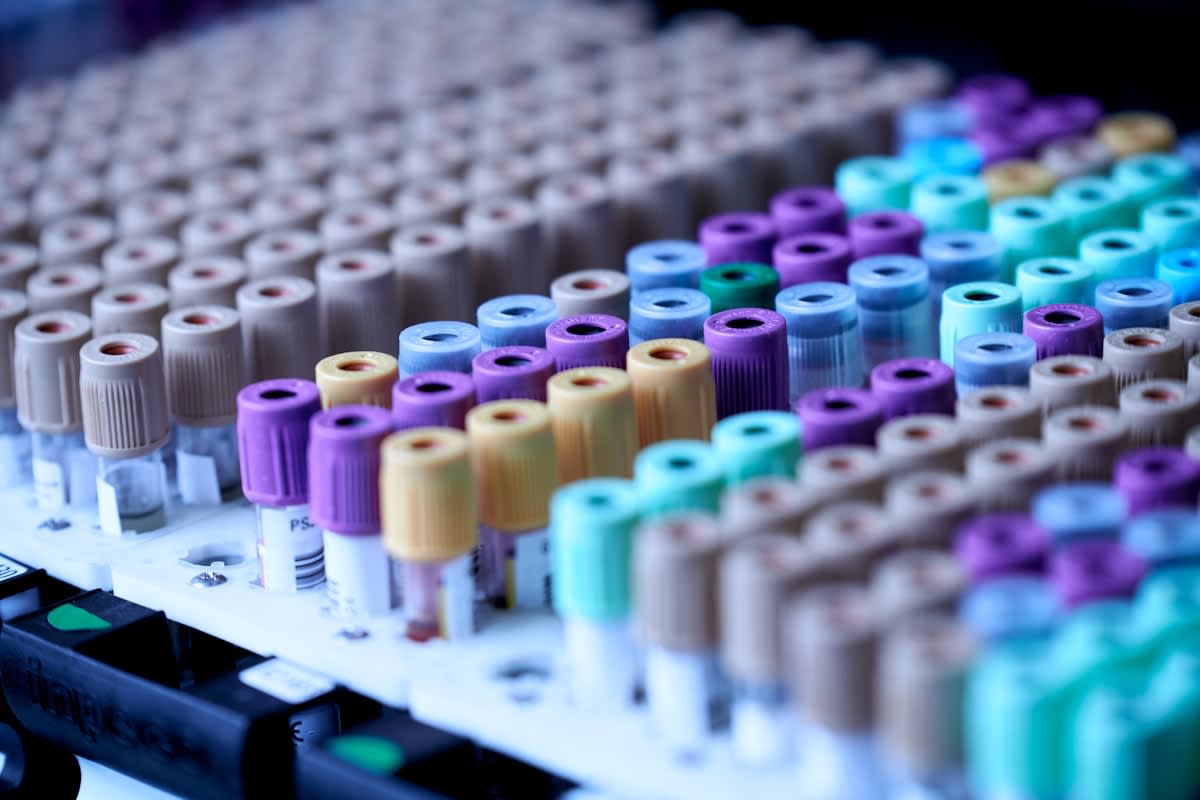
You cannot optimize what you do not measure. Before implementing any protocol, you need a baseline. I have seen too many enthusiasts jump into aggressive fasting or extreme supplement regimens without knowing their starting point, often masking underlying issues or creating new ones. A biological audit is the non-negotiable first step. It transforms guesswork into a data-driven strategy.
- Comprehensive Metabolic Panel: Focus on HbA1c and fasting insulin to assess insulin sensitivity.
- Advanced Lipid Profile: Look beyond LDL to ApoB and Lp(a) for a more accurate cardiovascular risk assessment (Source: European Heart Journal, 2022).
- Inflammatory Markers: Measure hs-CRP to determine systemic inflammation levels.
- Physical Baseline: Conduct a VO2 max test and a grip strength measurement to establish current functional capacity.
Once you have this data, you can identify your 'weakest link.' For some, it is metabolic dysfunction; for others, it is a rapid decline in muscle mass. This allows you to allocate your energy where it will yield the highest return on investment. Why waste time on expensive longevity supplements if your primary driver of biological aging is chronic sleep deprivation or uncontrolled glucose spikes?
The Implementation Protocol
Extending your biological prime is not about one 'magic pill' but the synergistic effect of four primary pillars. These pillars must be integrated into a cohesive lifestyle, not treated as isolated tasks. If you train like an athlete but eat like a sedentary office worker, you are simply accelerating the wear and tear on your joints without providing the nutrients necessary for repair.
- Optimize Metabolic Flexibility: Transition your body from being a primary glucose burner to one that can efficiently switch between glucose and ketones. Implement time-restricted feeding (e.g., 16:8) to trigger autophagy—the body's cellular cleanup process. Prioritize high-protein intake to prevent sarcopenia, as muscle loss accelerates significantly after age 40 (Source: Journal of Cachexia, Sarcopenia and Muscle, 2021).
- Build Physical Resilience: Focus on two distinct modalities. First, Zone 2 steady-state cardio to increase mitochondrial density and efficiency. Second, high-intensity resistance training to maintain bone density and lean muscle mass. High VO2 max is one of the strongest predictors of longevity, showing a massive reduction in all-cause mortality (Source: JAMA, 2018).
- Engineer Neurological Recovery: Sleep is the only time the brain's glymphatic system flushes out metabolic waste, including beta-amyloid plaques associated with Alzheimer's. Prioritize a consistent 7-9 hour window in a cold, dark environment. Supplement this with non-sleep deep rest (NSDR) or mindfulness practices to lower cortisol levels.
- Iterate Based on Biomarkers: Re-test your blood work and physical baselines every six months. If your ApoB is still high despite dietary changes, you adjust. If your grip strength is dipping, you increase resistance volume. This is a closed-loop system of constant refinement.
The transition between these steps is where most people fail. They treat the protocol as a checklist rather than a lifestyle. The magic happens in the overlap—when the metabolic flexibility of fasting enhances the mitochondrial gains from Zone 2 training, and the deep sleep allows those muscles to actually rebuild. It is a biological symphony, not a series of solo performances.
"The shift from treating disease to optimizing health requires a fundamental change in the medical paradigm. We must move from a model of 'absence of illness' to a model of 'presence of optimal function.'"— World Health Organization, 2022 Report on Healthy Ageing
From my perspective in the field, the real debate among practitioners isn't whether these interventions work—it's about the dosage. I have sat in rooms where longevity experts argue fiercely over whether a 16:8 fasting window is optimal or if it triggers muscle wasting in patients over 60. The friction usually stems from a clash between the 'biohacker' mindset of maximum optimization and the 'clinical' mindset of risk mitigation. The truth is usually found in the middle: personalization is the only variable that actually matters.

On the ground, you see the difference between those who follow 'trends' and those who follow 'biology.' The trend-followers jump from one supplement to another, chasing the latest study on NMN or Spermidine. The biology-followers focus on the boring basics: sleep, protein, and movement. They understand that a $500-a-month supplement stack is useless if you are only sleeping five hours a night and sitting for ten hours a day.
Common Pitfalls to Avoid
Even the most intelligent practitioners fall into traps. The most common is the 'Optimization Paradox,' where the stress of tracking every single calorie and heartbeat actually increases systemic cortisol, defeating the purpose of the healthspan effort. If your pursuit of longevity is making you miserable and anxious, you are trading psychological healthspan for biological markers.
- The Supplement Trap: Relying on pills to fix a broken lifestyle. No supplement can outrun a poor diet or a lack of sleep.
- Over-Training Syndrome: Ignoring recovery signals. Pushing for a higher VO2 max while ignoring joint pain or chronic fatigue leads to injury and setbacks.
- The 'Average' Fallacy: Applying a protocol that worked for a 25-year-old male to a 55-year-old female. Biological needs shift drastically with age and sex.
- Ignoring Mental Health: Forgetting that cognitive health is as much about social connection and purpose as it is about Omega-3s.
The final piece of the puzzle is resilience. Biological prime is not a static state; it is a dynamic ability to bounce back from stress. Whether it is a bout of illness, a period of high work stress, or an injury, the goal is to minimize the 'recovery time' back to your baseline. This is the true mark of a high-functioning biological system.
Fact-Check & Accuracy Note
Key claims regarding VO2 max and mortality are sourced from JAMA (2018). Data on sarcopenia and muscle loss are attributed to the Journal of Cachexia, Sarcopenia and Muscle (2021). Cardiovascular risk markers (ApoB) are based on guidelines from the European Heart Journal (2022). Please note that fasting protocols and supplement efficacy remain areas of ongoing debate and should be implemented under medical supervision.