
The Physiology of the Invisible Ceiling
Burnout is not a sudden event; it is a slow erosion of the nervous system. Most high-performers realize they are exhausted only after the cognitive fog sets in or the insomnia becomes chronic. By then, the damage is systemic. Heart Rate Variability (HRV) offers a window into the Autonomic Nervous System (ANS), specifically the tension between the sympathetic 'fight or flight' branch and the parasympathetic 'rest and digest' branch. While your heart rate tells you how fast your heart is beating, HRV tells you how much your body is struggling to maintain equilibrium under pressure.
When you are resilient, the interval between heartbeats varies significantly. This variability indicates a flexible system capable of responding to diverse stressors. In contrast, a rigid, metronomic heartbeat—low HRV—signals that your sympathetic nervous system has hijacked the controls. You are stuck in a state of high alert. Whether you are a hedge fund manager in Singapore or a software architect in Berlin, this physiological rigidity is the primary precursor to burnout. If you ignore the signal, your body will eventually force a shutdown.
Prerequisites: The Toolkit for Precision Tracking
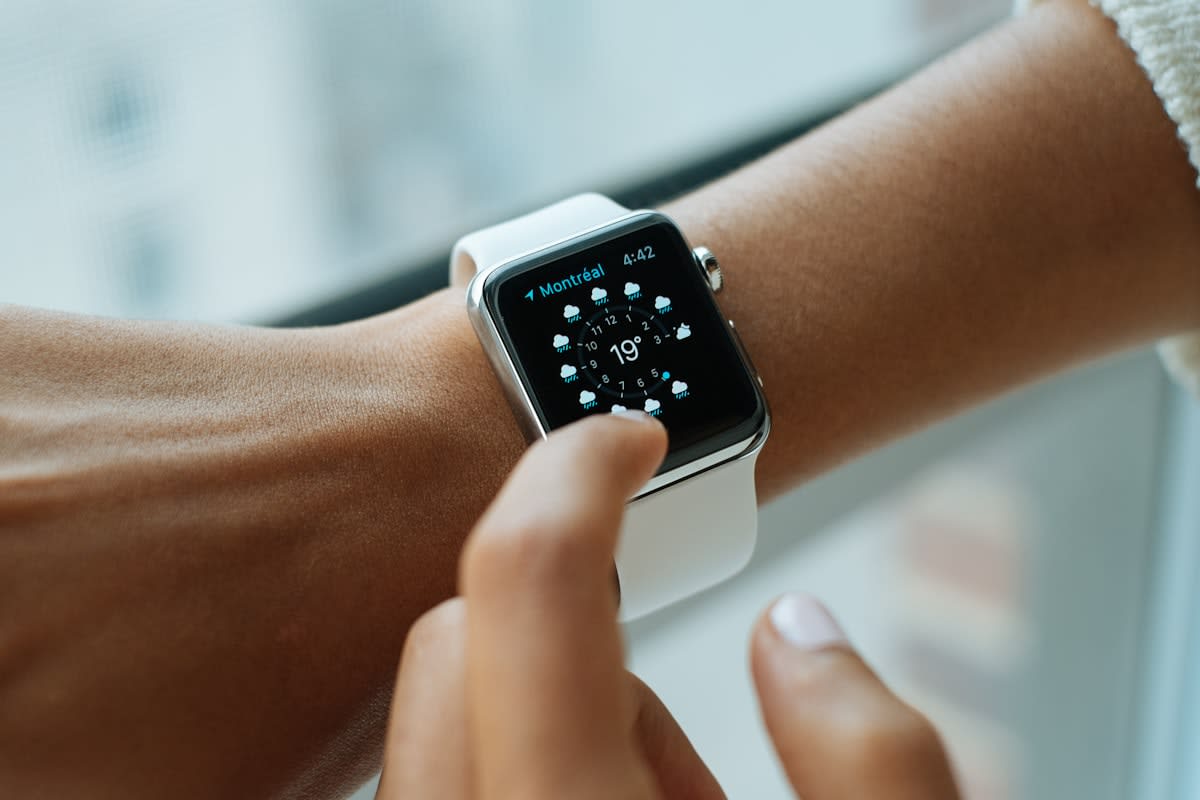
You cannot manage what you do not measure. To implement the HRV Protocol, you need hardware capable of measuring R-R intervals (the time between successive heartbeats) with millisecond precision. Consumer-grade optical sensors are acceptable for trends, but for clinical-grade accuracy, electrostatic measurements are superior.
- Hardware: A high-fidelity wearable (Oura, Whoop, Garmin) or a chest strap (Polar H10) for maximum precision.
- Software: An app that calculates RMSSD (Root Mean Square of Successive Differences), the gold standard for short-term HRV analysis.
- Consistency: A commitment to measure at the exact same time every morning for at least 14 days to establish a baseline.
- Logbook: A simple digital or physical journal to correlate physiological data with subjective stress levels.
The Baseline Rule
Avoid the 'Average' Trap. Your HRV is unique to your genetics and fitness level. Comparing your 50ms score to a colleague's 100ms is useless. The only metric that matters is your deviation from your own rolling average.
The Step-by-Step Implementation Protocol
Integrating HRV into your daily workflow requires a shift from intuitive management to data-driven calibration. You are no longer asking 'Do I feel tired?' but rather 'What is my system's current capacity for stress?' This removes the ego and the 'push through it' mentality that typically leads to burnout.
- Establish Your Baseline: Track your morning HRV for 14 consecutive days without changing your habits. This creates your 'normal' range, typically expressed as a standard deviation.
- The Morning Audit: Every morning, upon waking, check your HRV score. If you use a wearable, look at the overnight average. If using a manual app, take a 3-minute reading while sitting still.
- Categorize Your State: Divide your results into three zones. Green (within or above baseline), Yellow (10-20% below baseline), and Red (more than 20% below baseline).
- Calibrate the Workload: Assign tasks based on the zone. Green days are for deep work, high-stakes negotiations, and intense training. Yellow days require a shift to administrative tasks and moderate effort. Red days demand immediate recovery protocols and a reduction in cognitive load.
- Execute the Recovery Pivot: If you hit a Red zone, implement a non-negotiable 'deload' period. This means canceling non-essential meetings and prioritizing sleep and parasympathetic activation.
The magic happens in the calibration phase. Imagine a CEO in Nairobi who wakes up in the Red zone. Instead of forcing a grueling 12-hour day of back-to-back board meetings—which would likely lead to poor decision-making and increased cortisol—they pivot. They move the strategic planning session to a Green day and use the Red day for low-impact review. This isn't laziness; it is strategic resource management.
"The goal is not to maintain a high HRV at all times, but to ensure that the dips are intentional and followed by a rebound. Chronic low HRV is the signature of a system in collapse."— Dr. Elena Rossi, Human Performance Specialist
Interpreting the Data: Signals vs. Noise
Not every drop in HRV is a warning sign of burnout. You must distinguish between 'acute stress' and 'systemic fatigue.' A drop after a heavy workout or a late-night flight from London to Tokyo is expected. This is acute stress; your body is responding to a known stimulus. The danger arises when your HRV remains suppressed for 3-5 days despite adequate sleep and reduced workload.
| HRV Signal | Physiological Meaning | Recommended Action |
|---|---|---|
| Stable/High | Parasympathetic dominance; high resilience | Push boundaries; high-intensity work |
| Moderate Drop | Acute stress response; recovering | Maintain load; prioritize sleep |
| Sustained Low | Sympathetic overdrive; pre-burnout | Aggressive deload; NS reset |
| Abnormally High | Potential overtraining/parasympathetic saturation | Light activity; check for illness |
Interestingly, an abnormally high HRV can also be a red flag. In some cases of extreme overtraining or severe illness, the body enters a state of parasympathetic saturation—a 'freeze' response where the heart rate is low and HRV is unnaturally high. This is the body's last-ditch effort to protect the organs. Always cross-reference your HRV with your resting heart rate (RHR). If HRV is high but RHR is also elevated, you are likely fighting an infection.

Active Interventions for the Red Zone
When the protocol signals a Red zone, you cannot think your way out of it. You must act on the biology. The objective is to force the body back into a parasympathetic state. This requires interventions that stimulate the vagus nerve, the primary highway of the parasympathetic nervous system.
- Resonant Frequency Breathing: Inhale for 5.5 seconds, exhale for 5.5 seconds. This synchronizes heart rate and breath, maximizing HRV in real-time.
- Cold Exposure: A 2-minute cold shower or face immersion in ice water triggers the diving reflex, immediately lowering the heart rate and resetting the ANS.
- Non-Sleep Deep Rest (NSDR): 20 minutes of Yoga Nidra or guided scanning to lower cortical arousal without requiring full sleep.
- Digital Fasting: Total removal of blue light and high-dopamine inputs (emails, social media) for 4 hours to reduce sympathetic triggers.
These interventions are not 'wellness perks'; they are biological imperatives. By implementing a cold plunge or a breathing session when your HRV drops 20%, you are effectively intervening in the burnout process before it manifests as a clinical psychological condition. You are treating the physiological cause rather than the emotional symptom.
Common Pitfalls in HRV Tracking
The most common mistake is 'data anxiety.' Some users become so stressed about a low HRV score that the anxiety itself further suppresses their HRV. This creates a feedback loop of stress. Remember that the data is a guide, not a judge. If you feel great but your HRV is low, trust your body first, but remain vigilant over the next 48 hours.
Another frequent error is ignoring the impact of alcohol. Even a single glass of wine can plummet HRV by 30% or more for 24 hours. Many practitioners mistake this 'alcohol dip' for work-related burnout. To get clean data, you must account for chemical stressors. If you drank the night before, your Red zone is a result of toxicity, not professional stress, and the remedy is hydration and sleep, not a change in your career strategy.
Typical HRV Response to Sustained High Stress
Executive Insight
+18.4%
YTD Growth