For years, the medical community viewed weight loss through a simplistic lens: fewer calories in, more calories out, and a lower number on the scale meant success. But the arrival of next-generation GLP-1 medications has forced a reckoning. We are no longer just fighting obesity; we are fighting the risk of sarcopenia—the accelerated loss of skeletal muscle mass and function. When you lose weight rapidly, your body doesn't just burn fat. If you aren't proactive, it harvests your muscle for energy, potentially leaving you thinner but physically frailer. The goal isn't just to be smaller; it's to be strong.
Why does this matter? Because muscle is the primary engine of your metabolism and the structural support for your skeletal system. Rapid muscle loss puts your bones at risk in ways that might not manifest for years, but the damage begins the moment your protein intake drops and your activity stalls. Recent data highlights the urgency: 76% of experts warn that accelerated muscle loss is a major threat for those on GLP-1 therapies (Source: WTOP News, 2026). This isn't a side effect to be ignored; it's a biological hurdle that requires a strategic blueprint to overcome.
Prerequisites: Your Lean Mass Toolkit
Before you commit to a weight loss journey on these medications, you need a framework that prioritizes preservation over depletion. You cannot simply rely on the drug to do the work. To maintain your lean mass, you need a specific set of tools and habits in place. This isn't about biohacking; it's about returning to the fundamental pillars of human physiology: protein, tension, and monitoring.
- High-protein nutritional sources (legumes, seeds, seitan, chickpeas)
- Access to resistance training equipment (dumbbells, bands, or gym machinery)
- A method for tracking body composition beyond the scale (DEXA scan, calipers, or smart scales)
- Hydration strategy to support kidney function during rapid weight loss
- A clinical partner to monitor bone density and metabolic markers
The Execution: A 4-Step Strategy for Muscle Preservation
Implementing this blueprint requires a shift in mindset. You are no longer a patient losing weight; you are an athlete protecting your lean mass. The following steps are designed to counteract the appetite-suppressing effects of GLP-1s, which often lead to accidental protein deficiency.
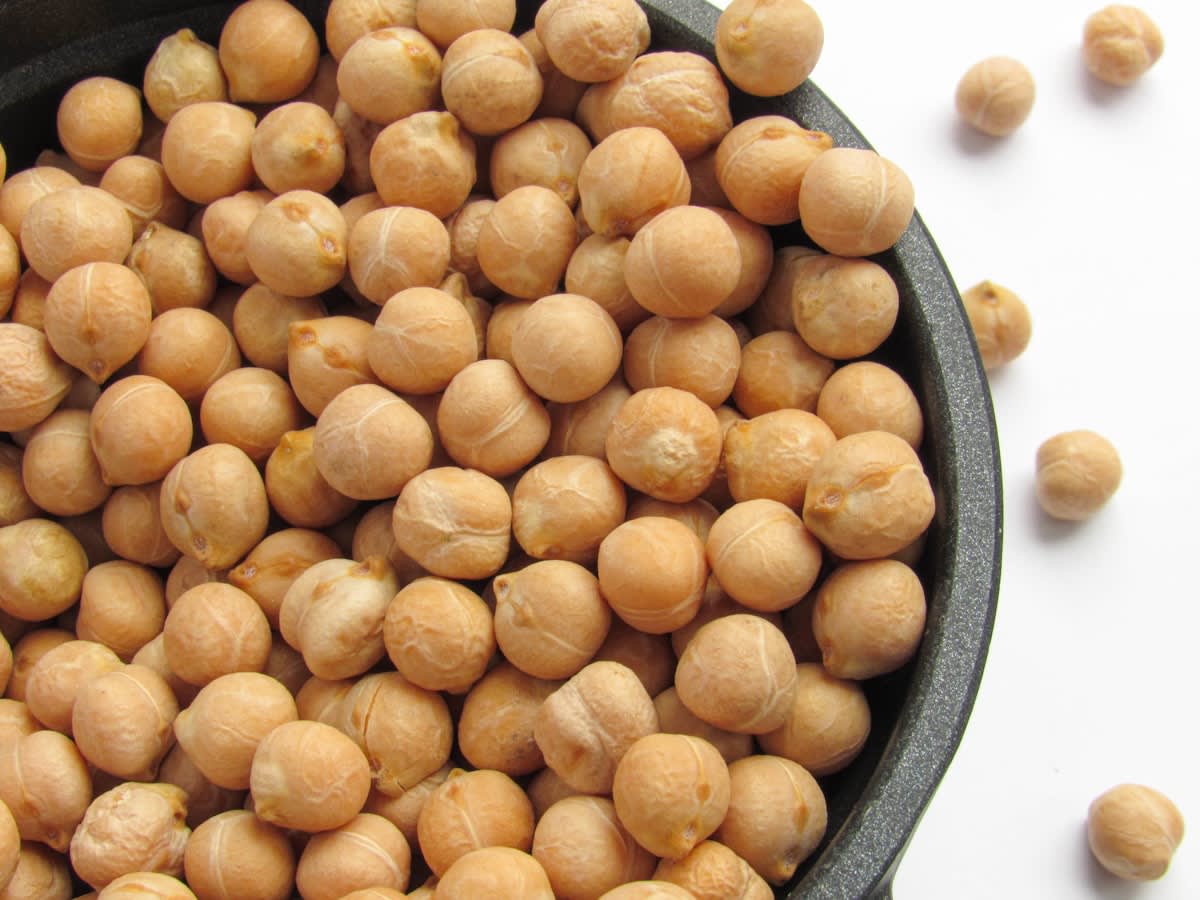
- Prioritize Protein Density: Because GLP-1s reduce your appetite, every bite must count. Focus on high-protein foods that preserve muscle mass, such as seitan, chickpeas, legumes, seeds, and grains (Source: Yahoo, 2026). If you feel full quickly, prioritize the protein on your plate first before moving to vegetables or carbohydrates.
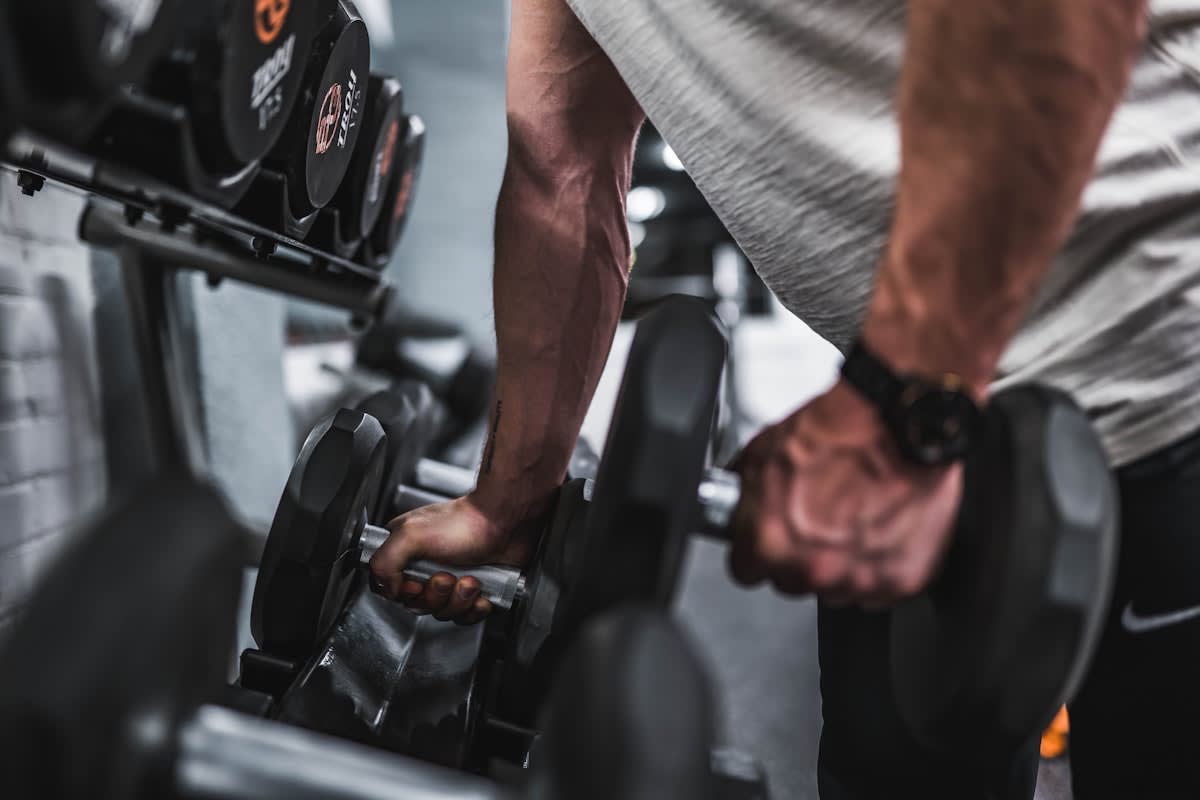
- Implement Strategic Resistance Training: You must give your body a reason to keep its muscle. Resistance training triggers mechanotransduction—a process where bones and muscles remodel and strengthen in response to physical stress (Source: Yahoo, 2026). Aim for 3-4 sessions per week focusing on compound movements that engage multiple muscle groups.
- Shift Focus to Body Composition: Stop letting the scale dictate your mood. 2026 research emphasizes shifting the conversation from pounds alone to body composition and strength (Source: Patch, 2026). Track your lean muscle mass and physical function to ensure the weight you are losing is fat, not functional tissue.
- Integrate Digital Therapeutic (DTx) Support: Modern obesity management is moving toward 'combination therapy.' This involves pairing the medication with digital tools that manage dietary habits and exercise in real-time. For example, new pilot studies are testing the combination of GLP-1 drugs with digital therapeutics like DEX-2 to analyze and maintain physical function during weight loss (Source: The Asia Business Daily, 2026).
Does this sound like a lot of work? Yes. But the alternative is a future of diminished mobility and independence. The cardiovascular benefits of these drugs are undeniable—52% of experts agree they outweigh long-term risks (Source: Chain Drug Review, 2026)—but those benefits are negated if you lose the muscle required to stay active and mobile as you age.
"In fact, 52% of our experts agreed that the cardiovascular perks of these medications outweigh potential long-term risks. However, 76% warned that accelerated muscle loss is a major threat if people aren’t proactive about it."— Chien, Health Expert cited in WTOP News
As a practitioner, I see this tension play out in the clinic every day. There is a constant debate among providers: do we push for the fastest possible weight loss to resolve metabolic crisis, or do we slow the process down to protect the muscle? The reality on the ground is that many patients are so thrilled by the rapid drop in weight that they ignore the fatigue and loss of strength. We are seeing a trend where patients hit their goal weight but find they can no longer carry their groceries or climb stairs without struggle. This is the 'hidden cost' of unmanaged weight loss.
Comparing Approaches: Drug-Only vs. Integrated Management
To understand why the integrated approach is superior, we have to look at the systemic difference in outcomes. A drug-only approach focuses on the biological signal to lose weight. An integrated approach, such as the one being developed by Bagel Labs and Hanmi Pharmaceutical with 'DEX-1-OB', focuses on the holistic system (Source: The Asia Business Daily, 2026).
| Metric | Drug-Only Approach | Integrated Blueprint (Drug + DTx + Strength) |
|---|---|---|
| Primary Goal | Rapid Weight Reduction | Optimal Body Composition |
| Muscle Mass | Risk of Sarcopenia | Preserved or Increased Lean Mass |
| Bone Health | Potential Density Loss | Remodeling via Mechanotransduction |
| Long-term Mobility | Variable/Risk of Decline | Maintained Independence |
The difference is stark. While the medication handles the hormonal drive to lose weight, the lifestyle interventions handle the structural integrity of the body. Without the latter, you are essentially dismantling the house to save on the heating bill.
Common Pitfalls to Avoid
Even with a plan, many people stumble. The most common mistake I encounter is the 'over-compensation' phase. Patients realize they are losing muscle and suddenly jump into extreme, high-impact workouts or attempt maximum-effort heavy lifting without a base of strength. This is a recipe for disaster.
- The Heavy Lifting Trap: Avoid extremely heavy lifting or high-impact activities during periods of rapid weight loss to prevent injury (Source: Yahoo, 2026).
- The Protein Gap: Assuming that 'eating healthy' is enough. You need specific, high-protein targets, not just general nutrition.
- The Scale Obsession: Celebrating a 10lb drop without realizing 4lbs of that was muscle tissue.
- Ignoring the 'Digital' Layer: Failing to track habits and exercise, leading to a slow drift away from the blueprint.
The Bone-Muscle Connection
The synergy between muscle and bone is absolute. The more muscle you maintain, the denser your bones remain. Conversely, rapid muscle loss puts your skeletal system at risk in ways that may not be evident for years (Source: Yahoo, 2026). Do not sacrifice your frame for a number on the scale.
Fact-Check & Accuracy Note
Key claims regarding the 76% risk of muscle loss and the 52% cardiovascular benefit consensus are sourced from WTOP News and Chain Drug Review (2026). The mechanotransduction process and protein recommendations are attributed to Dr. Nwannunu via Yahoo (2026). The digital therapeutic developments (DEX-1-OB/DEX-2) are sourced from The Asia Business Daily (2026). Ongoing debate exists regarding the exact threshold of protein required to fully offset GLP-1 induced muscle loss.