The End of the Needle
For decades, the gold standard of cancer diagnosis was a visceral, invasive ritual. A surgeon would carve into tissue or a radiologist would guide a thick needle into a lung or liver, hoping to snag a representative sample of a tumor. It was a high-stakes gamble. If the needle missed the malignant core, the result was a false negative. If the procedure caused a complication, the patient suffered. This was the era of the tissue biopsy: necessary, brutal, and fundamentally limited by the physical reach of human instruments.
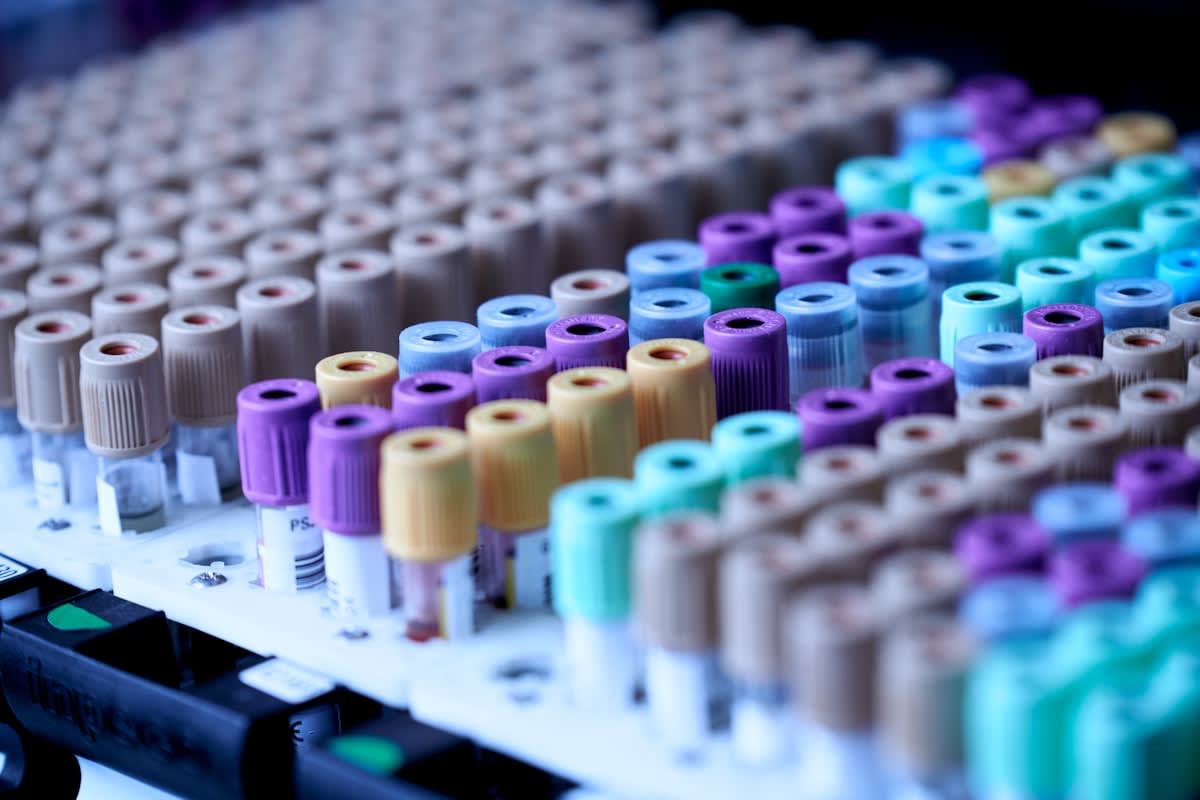
Enter the liquid biopsy. It is a simple draw. A few milliliters of crimson fluid. Yet, within those vials lies a genetic map of a patient's most intimate biological failures. By isolating circulating tumor DNA (ctDNA) and exosomes that leak from a tumor into the bloodstream, clinicians can now read the molecular signature of a cancer without ever touching the tumor itself. We are moving from a world of surgical exploration to a world of molecular surveillance.
The 12-Month Shift
Twelve months ago, liquid biopsies were largely relegated to late-stage monitoring and treatment selection. Today, the delta is clear: the industry has pivoted aggressively toward Multi-Cancer Early Detection (MCED). We are no longer just asking 'what is this cancer?' but 'is there any cancer anywhere in the body?'
Why does this matter now? Because the technology has finally crossed the threshold of clinical utility. The precision of Next-Generation Sequencing (NGS) has evolved to detect fragments of DNA that exist in concentrations as low as one part per ten thousand. This isn't just a marginal improvement; it is a categorical leap. In oncology centers from Tokyo to Berlin, the conversation is shifting from how to biopsy a lesion to how to screen a population.
The Science of the Silent Signal
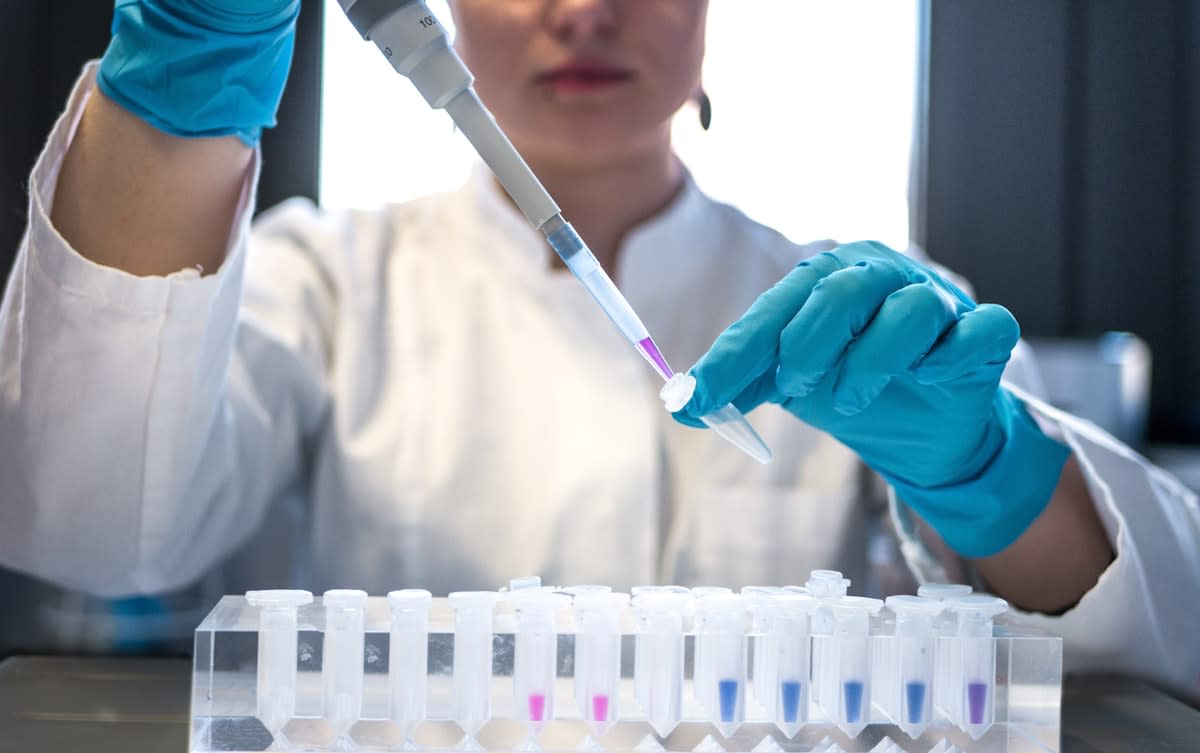
The magic lies in the 'shedding.' Tumors are not static lumps; they are dynamic, unstable structures that constantly shed debris into the circulatory system. Liquid biopsies capture this debris. Specifically, they target ctDNA—small fragments of DNA released when cancer cells die. But the real breakthrough isn't just finding the DNA; it is reading the epigenetic markers, such as methylation patterns. These patterns act like a biological zip code, telling the doctor not only that cancer is present, but exactly where in the body it is hiding.
"We are transitioning from a reactive model of medicine, where we wait for a lump to appear on a scan, to a proactive model where we intercept the disease at the molecular level."— Dr. Elena Vance, Molecular Pathologist
Does this replace the tissue biopsy entirely? Not yet. Tissue still provides the architecture—the 'geography' of the tumor. However, the liquid biopsy solves the problem of intratumoral heterogeneity. A single needle biopsy only captures one slice of a tumor, potentially missing aggressive mutations in another part of the mass. A blood draw, conversely, collects a systemic snapshot, gathering signals from the primary tumor and any distant metastases simultaneously.
| Feature | Tissue Biopsy | Liquid Biopsy |
|---|---|---|
| Invasiveness | High (Surgical/Needle) | Low (Blood Draw) |
| Risk Profile | Complications/Infection | Minimal |
| Repeatability | Difficult/Rare | High (Serial Monitoring) |
| Scope | Localized Sample | Systemic Snapshot |
| Turnaround Time | Days to Weeks | Days |
This shift in methodology is creating an economic ripple effect. Traditional biopsies require sterile environments, surgical staff, and often hospitalization. Liquid biopsies require a phlebotomist and a sequencing machine. In emerging economies across Southeast Asia and Latin America, where access to specialized surgical oncology is limited, this democratization of screening could save millions of lives by bypassing the need for expensive infrastructure.
Scaling the Horizon: Global Implementation
The adoption curve is not uniform, but the momentum is undeniable. In the United States, the push is toward integrating MCED tests into annual physicals. In Europe, the focus is on refining the specificity of these tests to avoid the psychological trauma of false positives. Meanwhile, South Korea and Japan are leveraging their robust national health screening programs to pilot liquid biopsy cohorts on a scale that the West cannot match. The result is a global data set that is accelerating the AI models used to interpret these blood signals.
- Non-Invasiveness: Eliminates surgical risk and patient trauma.
- Longitudinal Tracking: Allows doctors to monitor treatment response in real-time every few weeks.
- Early Detection: Identifies cancer signatures before they are visible on a CT or MRI scan.
- Comprehensive Analysis: Captures the genetic diversity of the entire tumor burden.
However, the road to total replacement is fraught with biological noise. Not all DNA in the blood comes from cancer. Aging, inflammation, and benign clonal hematopoiesis can create 'false alarms.' The current industry battle is not about sensitivity—we can find the DNA—but about specificity. How do we ensure that a positive result leads to a cure rather than a lifetime of unnecessary anxiety and invasive follow-up tests?
This is where machine learning enters the fray. The volume of data generated by a single liquid biopsy is staggering. AI algorithms are now being trained to distinguish between the 'noise' of a healthy aging body and the 'signal' of an early-stage malignancy. We are seeing a convergence of biotechnology and data science that is effectively turning the human bloodstream into a searchable database.
Projected Liquid Biopsy Market Growth (Estimated CAGR)
Executive Insight
+18.4%
YTD Growth
Looking ahead, the liquid biopsy is more than just a diagnostic tool; it is the cornerstone of a new era of preventative medicine. Imagine a world where your annual blood work doesn't just check your cholesterol and glucose, but scans for 50 different types of cancer. The goal is to move the diagnosis from Stage IV, where the options are palliative, to Stage I, where the cure is a simple, targeted intervention. The era of the invasive screening is not just ending; it is being rendered obsolete by the elegance of the molecule.