
Most professionals treat their energy levels like a mystery, blaming a lack of caffeine or a stressful quarter for the inevitable 3 PM brain fog. This is a fundamental misunderstanding of human biology. Your brain is an energy-hungry organ that demands a steady supply of glucose, but the way your body processes that fuel is wildly idiosyncratic. What provides a steady stream of cognitive power for a software engineer in Bangalore might trigger a massive insulin spike and a subsequent crash for a creative director in Berlin. We are not biological clones, yet we follow dietary guidelines designed for a mythical average person who does not exist.
The Metabolic Audit is the process of moving from generic nutrition to precision fueling. By mapping your personal glucose response, you stop fighting your biology and start leveraging it. This is not about restrictive dieting or chasing a specific number on a scale; it is about identifying the specific triggers that derail your focus. When you stabilize your blood sugar, you eliminate the erratic swings that cause irritability and cognitive decline. You gain a competitive advantage by maintaining a level of mental clarity that remains untouched by the midday slump.
The Biological Variance of Fuel
Why does a bowl of white rice cause one person to fall asleep at their desk while another remains sharp? The answer lies in the complex interplay between your gut microbiome, insulin sensitivity, and genetic predisposition. In East Asia, where rice is a staple, the metabolic adaptation varies significantly across the population. Similarly, the response to corn tortillas in Mexico or potatoes in Northern Europe is not universal. These variations mean that the glycemic index—a general measure of how quickly a food raises blood glucose—is a blunt instrument. It tells you what happens to the average person, not what happens to you.
The Paradox of Nutrition
The 'Healthy' Trap: Many people experience glucose spikes from foods traditionally labeled as healthy, such as dates, oatmeal, or certain fruits. If these foods trigger a spike and crash for you, they are not healthy for your specific metabolic profile, regardless of their nutrient density.
When glucose levels spike rapidly, the pancreas releases a surge of insulin to shuttle that sugar into your cells. If the spike is too aggressive, the insulin response often overcorrects, driving your blood sugar below baseline. This hypoglycemic dip is where the 'crash' happens. Your brain, sensing a fuel shortage, triggers a state of urgency that manifests as brain fog, hunger, and a desperate craving for more sugar. This cycle is the primary enemy of sustained deep work and high-level decision making.
Prerequisites for Your Metabolic Audit
You cannot audit what you do not measure. Attempting to map your glucose response based on 'how you feel' is imprecise because the human brain is poor at correlating a crash with a meal eaten three hours prior. To execute this audit with professional precision, you need a specific toolkit that removes subjectivity from the equation.
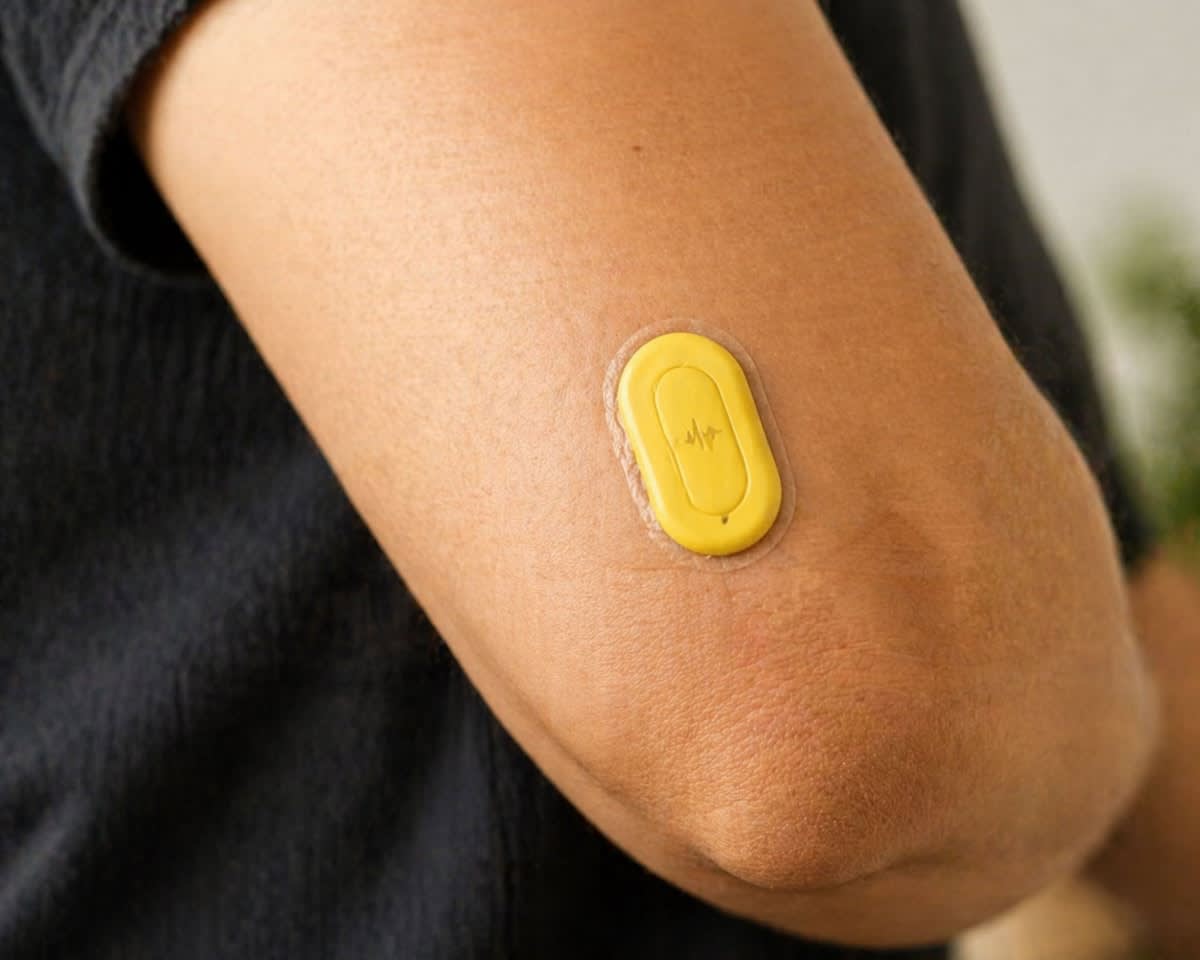
- A Continuous Glucose Monitor (CGM): A sensor that tracks glucose levels in the interstitial fluid every few minutes.
- A Detailed Food Log: A digital or physical journal to record exactly what you eat and when.
- Sleep and Stress Tracking: A wearable or journal to note sleep duration and high-stress events, as both impact insulin sensitivity.
- A 'Control' Menu: A list of 5-10 common foods you consume regularly that you suspect may be affecting your energy.
- A 14-Day Window: A period of relative stability in your schedule to ensure data is not skewed by extreme anomalies.
Before starting, establish a baseline. For the first three days, eat as you normally would. Do not attempt to 'be healthy' or optimize your diet yet. The goal is to capture your current biological reality, not a curated version of it. This baseline allows you to see the delta between your current state and your optimized state once the audit is complete.
The Audit Protocol: Step-by-Step Execution
The audit is a systematic process of isolation and testing. We treat your body like a laboratory, introducing one variable at a time to see how the system responds. Follow these steps precisely to avoid contaminating your data.
- Establish Baseline (Days 1-3): Wear your CGM and log all food, sleep, and stress. Identify your existing 'danger zones'—the times of day when your energy plummet.
- The Single-Food Test (Days 4-7): Choose one food from your control menu. Consume it in isolation (no other food or calories) on an empty stomach. Observe the peak glucose level and the time it takes to return to baseline. Repeat with a different food each day.
- Contextual Layering (Days 8-10): Test the same 'spike' foods but change the sequence. Try eating fiber (greens) or protein first, then the carbohydrate. Observe if the glucose curve flattens.
- Movement Integration (Days 11-12): Test the impact of a 10-minute brisk walk immediately after a meal that previously caused a spike. Measure the reduction in the peak glucose level.
- Data Synthesis (Days 13-14): Review your logs. Categorize foods into 'Steady Fuel' (minimal spike), 'Manageable Spikes' (spike that can be flattened with movement/sequencing), and 'Cognitive Killers' (massive spikes that cause crashes regardless of context).
During the Single-Food Test, pay close attention to the 'velocity' of the rise. A slow climb to 130 mg/dL is often well-tolerated, whereas a rapid vertical spike to 140 mg/dL followed by a sharp drop is what triggers the brain fog. The slope of the curve is often more predictive of mental clarity than the absolute peak value.
| Metric | Typical Response (Unoptimized) | Audit-Driven Response (Optimized) |
|---|---|---|
| Postprandial Peak | 150-180 mg/dL | 110-130 mg/dL |
| Recovery Time | 3-4 Hours (with crash) | 1-2 Hours (stable) |
| Mental State | Drowsiness / Fog | Sustained Alertness |
| Hunger Interval | Short (2 hours) | Long (4-6 hours) |
Once you have mapped these responses, you can begin to engineer your day. If you know that a specific breakfast causes a crash at 11 AM, you can either swap the fuel or apply a 'flattening' technique, such as a short walk or changing the food order. You are no longer guessing; you are operating based on your own biological telemetry.

Navigating the Data: Interpreting Your Curves
Interpreting your CGM data requires a nuance that goes beyond reading a graph. You must look for the relationship between the spike and your subjective experience. Did the 140 mg/dL peak make you feel focused, or did it make you feel wired and anxious? Some individuals have a higher threshold for glucose before they experience a crash, while others are sensitive to even minor fluctuations.
"The goal is not a flat line—that is biologically impossible and undesirable. The goal is a gentle wave. We want to avoid the cliffs."— Metabolic Health Specialist
Consider the impact of external stressors. A high-pressure meeting can trigger a glucose spike even without food, as the body releases cortisol and glucagon to dump stored sugar into the bloodstream for a 'fight or flight' response. If you see a spike during a stressful event, do not mistake it for a food reaction. This is why tracking stress and sleep is non-negotiable for an accurate audit.
Common Pitfalls in Metabolic Auditing
Many people fail their audit not because of the tools, but because of their approach. The most common error is the 'Optimization Reflex'—the urge to change your diet the moment you see a spike. This destroys your data set. You must observe the spike, record it, and then test a solution in a controlled manner.
- Over-restriction: Cutting out all carbohydrates leads to metabolic inflexibility and can cause irritability and poor sleep.
- Ignoring the 'Lag Time': Remember that CGM data reflects interstitial fluid, which lags behind blood glucose by 5-15 minutes.
- Obsessing over Minor Fluctuations: A 10 mg/dL difference is often noise. Focus on the overall shape of the curve and your cognitive state.
- Neglecting Sleep: A single night of poor sleep can increase insulin resistance by up to 30%, making 'safe' foods suddenly cause spikes.
- Failure to Re-test: Your metabolic response changes as you gain muscle, lose fat, or age. An audit is a snapshot, not a permanent map.
Ultimately, the Metabolic Audit is about autonomy. It shifts the power from the generic health industry to the individual. When you know exactly how your body responds to fuel, you can design a life of sustained mental clarity. You stop being a victim of your biology and start becoming the architect of your own energy.