
The Death of the Average
For a decade, the global health obsession centered on the number 10,000. We treated the step-counter as the ultimate arbiter of wellness, an arbitrary benchmark that promised health through sheer volume. But the narrative is shifting. The industry is realizing that 10,000 steps for a sedentary office worker in Tokyo does not yield the same metabolic outcome as 10,000 steps for a lifelong athlete in Nairobi. We are witnessing the collapse of the 'average human' model in favor of metabolic precision.
This shift is not subtle. It is a fundamental move from quantitative tracking—how much we do—to qualitative tracking—how our bodies respond. While the step-counter tracks output, metabolic precision tracks the internal chemistry of that output. The focus has moved from the external movement to the internal mitochondrial response, signaling a transition from general fitness to biological optimization.
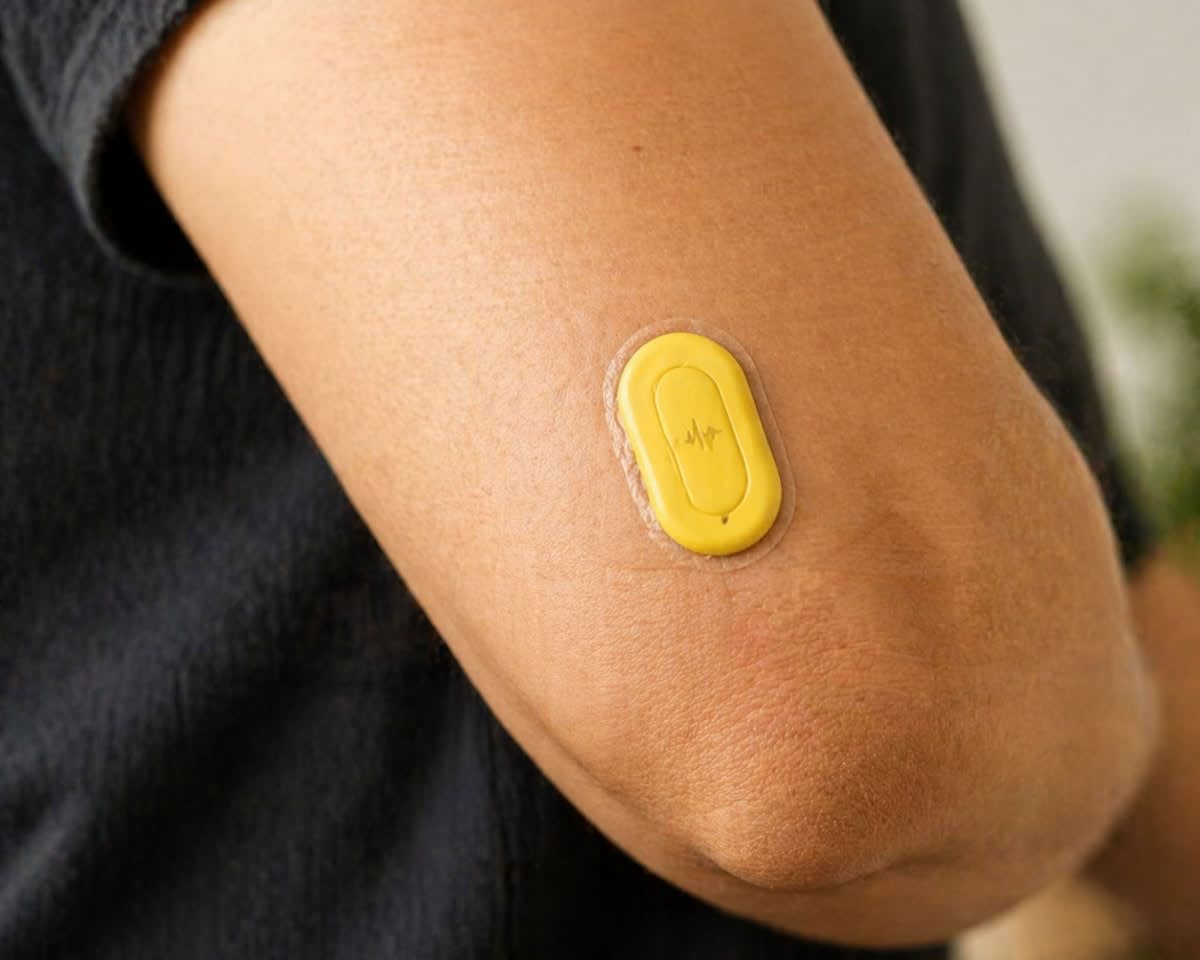
Twelve months ago, the conversation around Continuous Glucose Monitors (CGMs) was largely confined to endocrinology wards or the extreme fringes of the biohacking community. Today, the narrative has shifted toward the 'worried well' and the performance-driven professional. We have moved from asking 'Is my blood sugar high?' to 'How does this specific sourdough bread affect my cognitive focus for the next three hours?' This transition represents a fundamental move from reactive medicine to proactive biochemical management.
This evolution is driven by a sudden convergence of sensor technology and a growing skepticism toward generic dietary guidelines.
The Hardware of Precision
The catalyst for this trend is the democratization of the biosensor. We are moving beyond the wrist-worn accelerometer into the era of interstitial fluid monitoring. By tracking glucose, ketones, and lactate in real-time, individuals are discovering that 'healthy' foods can trigger wildly different responses across different bodies. A banana might keep one person's energy stable while sending another into a glucose spike and subsequent crash.
| Metric | The Step-Counter Era (General) | The Metabolic Era (Precision) |
|---|---|---|
| Primary Goal | Activity Volume | Biochemical Stability |
| Data Source | Accelerometer | Interstitial Biosensors |
| Approach | One-Size-Fits-All | N-of-1 Personalized |
| Feedback Loop | Delayed (Weight/Feel) | Instantaneous (Real-time Graph) |
Globally, this adoption is uneven but aggressive. In Singapore, precision health initiatives are integrating genomic data with metabolic tracking to combat regional predispositions to type 2 diabetes. Meanwhile, in European longevity clinics, the focus is on 'metabolic flexibility'—the body's ability to switch between burning glucose and fats. The goal is no longer just the absence of disease, but the optimization of cellular energy.
"The era of the dietary guideline is ending. We are replacing the food pyramid with a personalized biochemical map, recognizing that the most 'healthy' diet is the one that maintains your specific metabolic homeostasis."— Dr. Sarah Jenkins, Lead Researcher at the Global Metabolic Institute
However, this flood of data has created a new kind of tension within the medical community.
The Practitioner's Friction: Data vs. Dogma
Walk into any high-end longevity clinic in Zurich or a metabolic health startup in San Francisco, and you will find the same heated debate: does a glucose spike actually matter if the patient is metabolically flexible? Practitioners are currently fighting over the 'tyranny of the graph.' Some argue that obsessing over every post-prandial peak creates a new form of orthorexia, where patients become terrified of a piece of fruit because of a line moving upward on an app.
Other clinicians insist that this data is the only way to prevent insulin resistance before it becomes clinical. The friction lies in the interpretation. Traditional medicine relies on HbA1c—a three-month average—which can mask dangerous volatility. Precision practitioners argue that the 'average' is a lie and that the spikes and crashes (glycemic variability) are the true drivers of inflammation and cognitive decline (Source: The Lancet Digital Health, 2023).
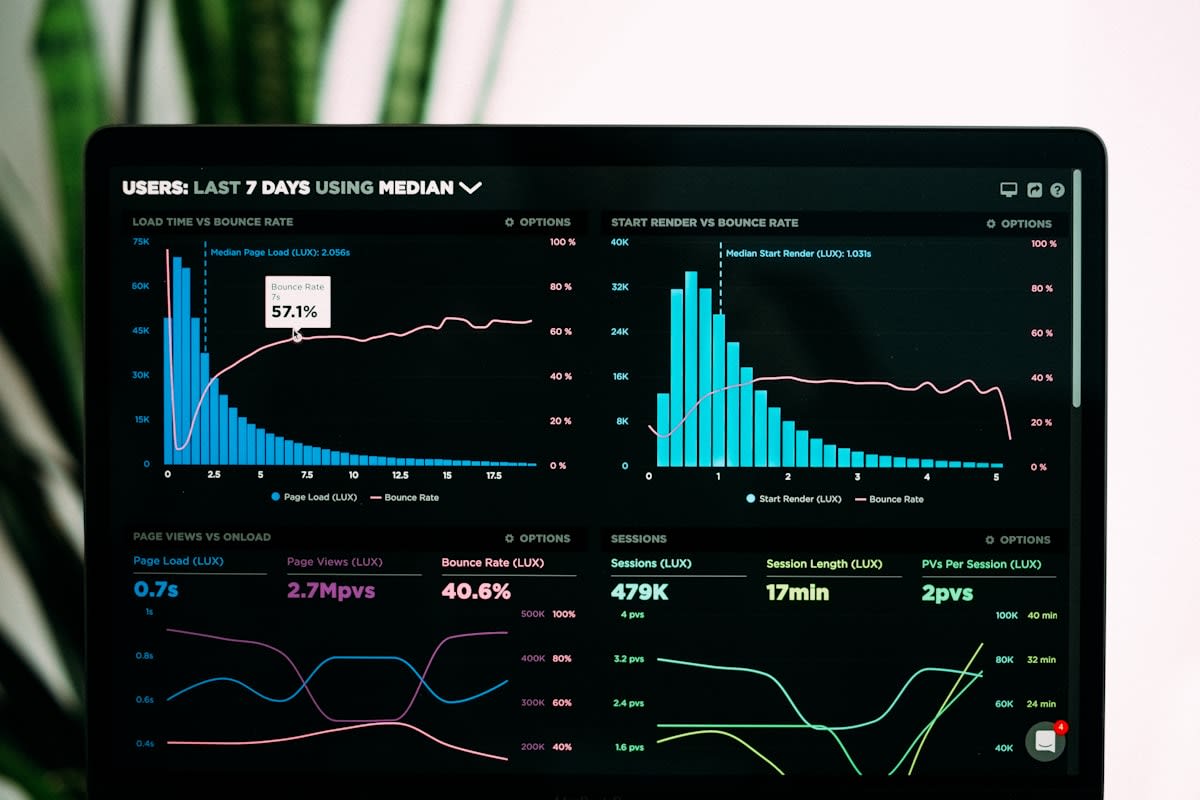
On the ground, this looks like a chaotic transition. Doctors are being handed tablets by patients who know more about their own glucose variability than the physician does about the latest CGM software. It is a power shift. The patient is no longer a passive recipient of a 'walk more, eat less' directive; they are the primary investigator of their own biology.
As the hardware stabilizes, the focus is shifting toward the pharmacological and nutritional interventions that can manipulate these markers.
Beyond Tracking: The Intervention Era
We are now entering the intervention phase of metabolic precision. The rise of GLP-1 receptor agonists has fundamentally altered the metabolic landscape, moving the needle from 'behavioral change' to 'biological modulation.' When combined with precision tracking, these tools allow for a surgical approach to health. Instead of a blanket calorie deficit, we are seeing the rise of 'nutrient timing' based on real-time insulin sensitivity.
- Hyper-personalized nutrition: Meals designed based on an individual's specific glycemic response (Source: Nature Medicine, 2022).
- Metabolic switching: Using fasting and exercise to train the body to utilize ketones more efficiently.
- Precision pharmacology: Adjusting medication dosages based on real-time biosensor feedback rather than fixed schedules.
- Circadian alignment: Timing nutrient intake to match the body's natural metabolic rhythms.
The opportunity here is resilience. By understanding their metabolic triggers, individuals can build a buffer against the chronic diseases of the 21st century. This isn't about achieving a 'perfect' number; it is about understanding the delta between different lifestyles. It is the difference between blindly following a trend and engineering a biological system that supports long-term vitality.
Fact-Check & Accuracy Note
The core claims regarding glycemic variability as a driver of inflammation are sourced from recent longitudinal studies in The Lancet Digital Health (2023) and Nature Medicine (2022). While the use of CGMs for non-diabetics is a rapidly growing trend, the long-term psychological impact of constant biological monitoring remains a subject of ongoing debate among behavioral psychologists and medical ethicists.