
Most people treat aging as an inevitable slide into decay, a chronological sentence they are forced to serve. This is a fundamental misunderstanding of human biology. Aging is not a fixed timeline but a reflection of cumulative metabolic dysfunction. When your mitochondria struggle, when your insulin sensitivity plummets, and when systemic inflammation becomes the baseline, your biological age accelerates far beyond the date on your passport. The goal is not to live forever in a state of fragility, but to compress morbidity and extend the period of peak physical and cognitive performance.
Why do some 60-year-olds possess the vitality of a 40-year-old, while some 30-year-olds struggle with the joint pain and brain fog of a retiree? The answer lies in the biomarkers. These molecular signatures provide a real-time ledger of your internal health. By shifting the focus from symptoms to signatures, we move from reactive medicine to proactive biological engineering. This is about precision. It is about knowing exactly which lever to pull to shift your system from a state of senescence to a state of regeneration.
The Prerequisites: Your Biological Toolkit
You cannot manage what you do not measure. Before attempting a metabolic reset, you need a comprehensive data set. Relying on a standard annual physical is a mistake; those tests are designed to detect disease, not optimize health. To reverse biological aging, you require a high-resolution map of your current metabolic state. This requires a commitment to rigorous testing and a willingness to look at the numbers without bias.
- Comprehensive Metabolic Panel (CMP) and Full Lipid Profile (including ApoB).
- HbA1c and Fasting Insulin (to calculate HOMA-IR).
- High-sensitivity C-Reactive Protein (hs-CRP) for systemic inflammation.
- IGF-1 and fasting glucose levels.
- A wearable device capable of tracking Heart Rate Variability (HRV) and deep sleep cycles.
Expert Insight
ApoB is the single most predictive marker for cardiovascular risk. While LDL-C is a proxy, ApoB counts the actual number of atherogenic particles. Aim for a value below 60 mg/dL if you are aggressively targeting longevity.
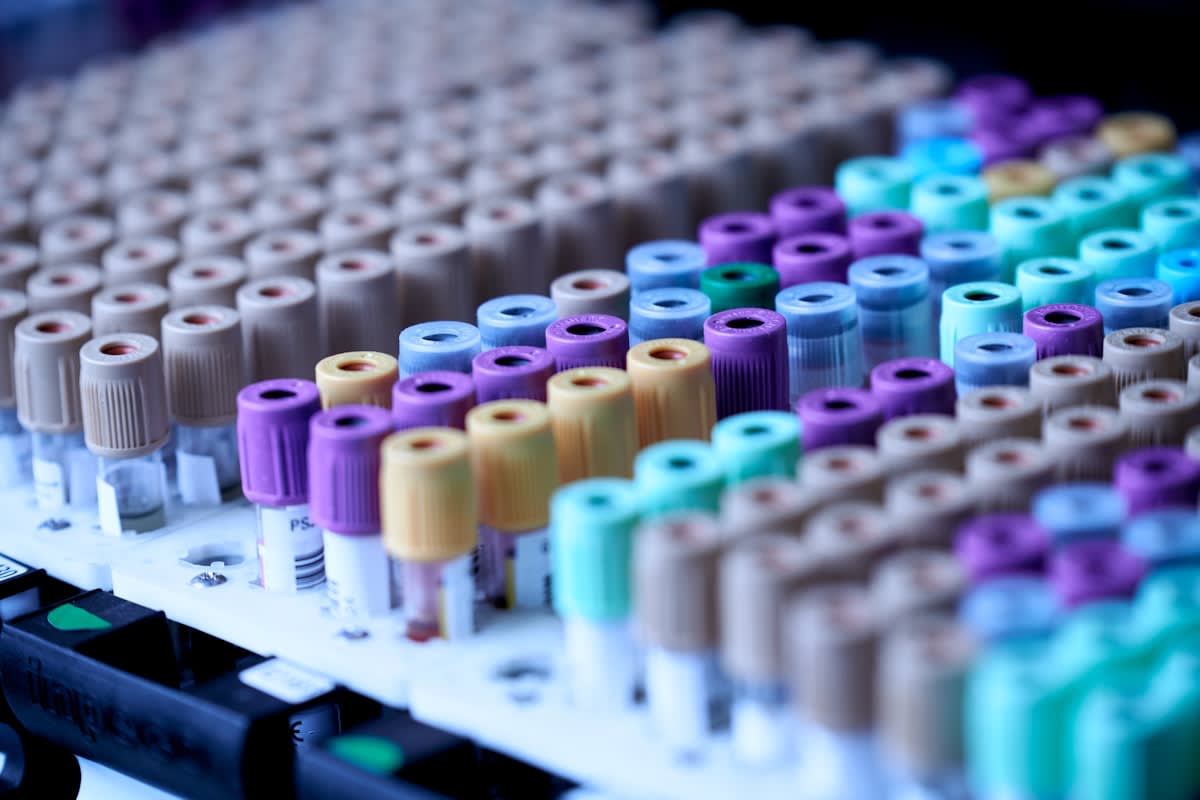
Once you have these tools, the process shifts from data collection to strategic intervention. The following steps outline the exact sequence required to reset your metabolism. This is not a generic wellness plan; it is a feedback loop designed to force your body back into a state of metabolic flexibility.
The Step-by-Step Reset Protocol
- Establish Your Baseline: Collect all prerequisites mentioned above. Calculate your HOMA-IR (Fasting Insulin x Fasting Glucose / 22.5). A score above 1.9 suggests early insulin resistance, a primary driver of biological aging. This number is your starting line.
- Optimize Insulin Sensitivity: Shift your macronutrient ratio to prioritize protein and healthy fats while limiting refined carbohydrates. Implement a 16:8 time-restricted feeding window. This forces the body to switch from glucose-burning to fat-burning, stimulating autophagy—the cellular cleanup process that removes damaged proteins.
- Aggressively Lower Systemic Inflammation: Target an hs-CRP level below 1.0 mg/L. If your levels are higher, audit your sleep hygiene and omega-3 to omega-6 ratio. In clinics from Tokyo to Berlin, practitioners are seeing that reducing chronic inflammation is the fastest way to lower biological age markers.
- Calibrate Lipid Particles: Focus on lowering ApoB. This often requires a combination of increasing soluble fiber and, in some cases, pharmaceutical intervention. The goal is to minimize the particles that lodge in arterial walls, effectively slowing the aging of the cardiovascular system.
- Iterate and Re-test: Every 90 days, repeat the blood panel. Compare the delta between your baseline and current markers. If HbA1c has dropped by 0.2% or ApoB has decreased by 15%, you are successfully reversing the metabolic trajectory.
The beauty of this system is its objectivity. You are no longer guessing if a specific diet or supplement is working. The biomarkers tell you the truth. If you implement a ketogenic diet but your hs-CRP spikes, your body is telling you that the specific fat sources you are using are pro-inflammatory. You pivot based on the data, not on a trend you read in a magazine.
Consider the impact of mitochondrial efficiency. When we optimize these markers, we are essentially cleaning the engines of our cells. A reduction in fasting insulin not only lowers the risk of Type 2 diabetes but also clears the cognitive fog associated with brain insulin resistance. This is where the psychological benefits of the metabolic reset manifest: sharper focus, stable energy levels, and a disappearance of the mid-afternoon crash.

Measuring Success: The Metrics of Longevity
Success is not measured by weight loss, but by the movement of markers toward an optimal range. A person may maintain the same weight while drastically shifting their biological age. For example, replacing visceral fat with lean muscle mass improves insulin sensitivity and lowers systemic inflammation, even if the scale doesn't budge. This is why the scale is a blunt instrument in a world that requires a scalpel.
| Biomarker | Standard Range | Longevity Optimal Range | Primary Impact |
|---|---|---|---|
| HbA1c | 4.0% - 5.6% | 4.8% - 5.2% | Glycemic Control |
| ApoB | < 100 mg/dL | < 60 mg/dL | Arterial Health |
| hs-CRP | < 3.0 mg/L | < 1.0 mg/L | Systemic Inflammation |
| HOMA-IR | < 2.5 | < 1.0 | Insulin Sensitivity |
When you hit these optimal ranges, you are effectively putting your body in a state of metabolic resilience. This doesn't mean you can never eat sugar or skip a workout again. It means you have built a biological buffer. A resilient system can handle occasional stress or poor nutrition without triggering a cascade of inflammatory responses that accelerate aging. You are building a fortress, not a fragile glass house.
Common Pitfalls in Biological Age Reversal
The most dangerous mistake is over-optimization. Some practitioners become obsessed with a single marker, pushing it to an extreme while ignoring the rest of the system. For instance, aggressively lowering glucose through extreme fasting can sometimes lead to muscle wasting (sarcopenia). If your IGF-1 levels drop too low, you lose the anabolic drive required to maintain muscle mass, which is itself a critical marker of longevity.
Another frequent error is the neglect of the sleep-metabolism axis. You can eat the perfect diet and hit every gym session, but if your deep sleep is compromised, your brain cannot clear beta-amyloid plaques through the glymphatic system. This manifests as an increase in inflammatory markers despite a clean diet. Sleep is not a luxury; it is the primary period of biological repair. Without it, your metabolic reset is fighting an uphill battle.
Finally, avoid the trap of supplement reliance. Many people attempt to bypass the hard work of lifestyle modification by taking a cocktail of NAD+ boosters or resveratrol. While these can be helpful adjuncts, they are multipliers. If your baseline is zero—meaning your diet and sleep are poor—multiplying zero still results in zero. Fix the foundation first, then use supplements to squeeze out the final 5-10% of performance.
"The goal of longevity is not to add years to your life, but to add life to your years by ensuring your biological machinery operates at peak efficiency until the very end."— Industry Consensus on Healthspan
The path to reversing biological age is a journey of continuous iteration. It requires the discipline of a scientist and the patience of an athlete. By anchoring your efforts in biomarkers, you remove the guesswork and replace it with a roadmap. The results are not just found in a blood report, but in the renewed energy, mental clarity, and physical capability that define a truly young biological system.