
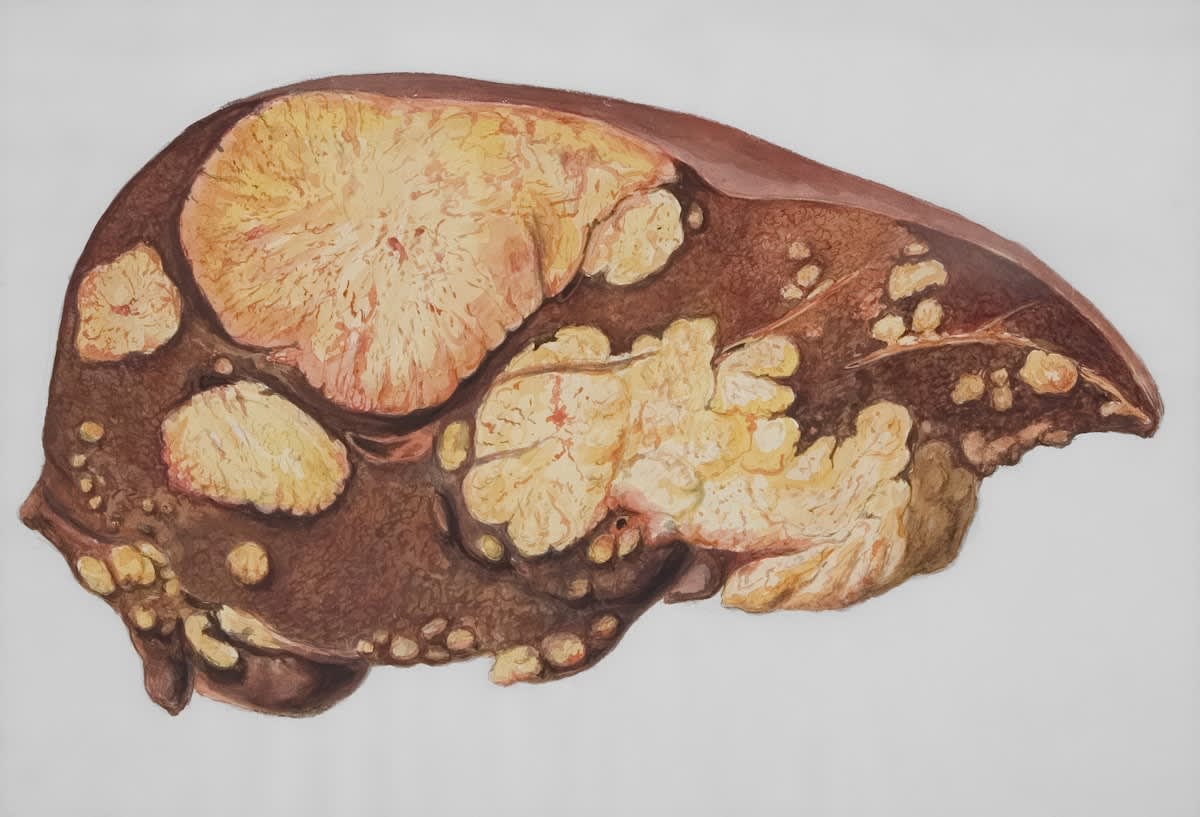
Most people view the liver as a simple filter, a passive organ that cleans the blood. That is a dangerous oversimplification. The liver is actually your metabolic command center, managing everything from glucose regulation to hormone clearance. When this system fails, it does not scream; it whispers. Silent liver inflammation, now increasingly categorized under Metabolic Dysfunction-Associated Steatotic Liver Disease (MASLD), develops without obvious symptoms until the organ reaches a tipping point of fibrosis or cirrhosis (Source: World Health Organization, 2023). The goal is not merely to lose weight, but to reset the metabolic signaling that tells your liver to store fat instead of burning it.
Prerequisites: Establishing Your Baseline
You cannot manage what you do not measure. Before initiating a metabolic reset, you need a clear snapshot of your current hepatic state. Relying on a general wellness check is insufficient because standard ALT and AST enzymes can appear normal even in patients with significant liver fat. I always insist on a more granular approach to avoid the trap of false reassurance.
- Comprehensive Metabolic Panel: Specifically looking at the AST/ALT ratio and fasting insulin levels to calculate HOMA-IR (Homeostatic Model Assessment for Insulin Resistance).
- Imaging Baseline: A FibroScan or specialized ultrasound to quantify the Controlled Attenuation Parameter (CAP) score, which measures liver fat percentage (Source: The Lancet, 2022).
- Waist-to-Hip Ratio: A physical metric that often correlates more closely with visceral fat and liver inflammation than BMI alone.
- Dietary Audit: A seven-day log focusing specifically on fructose intake and the timing of the last meal before sleep.
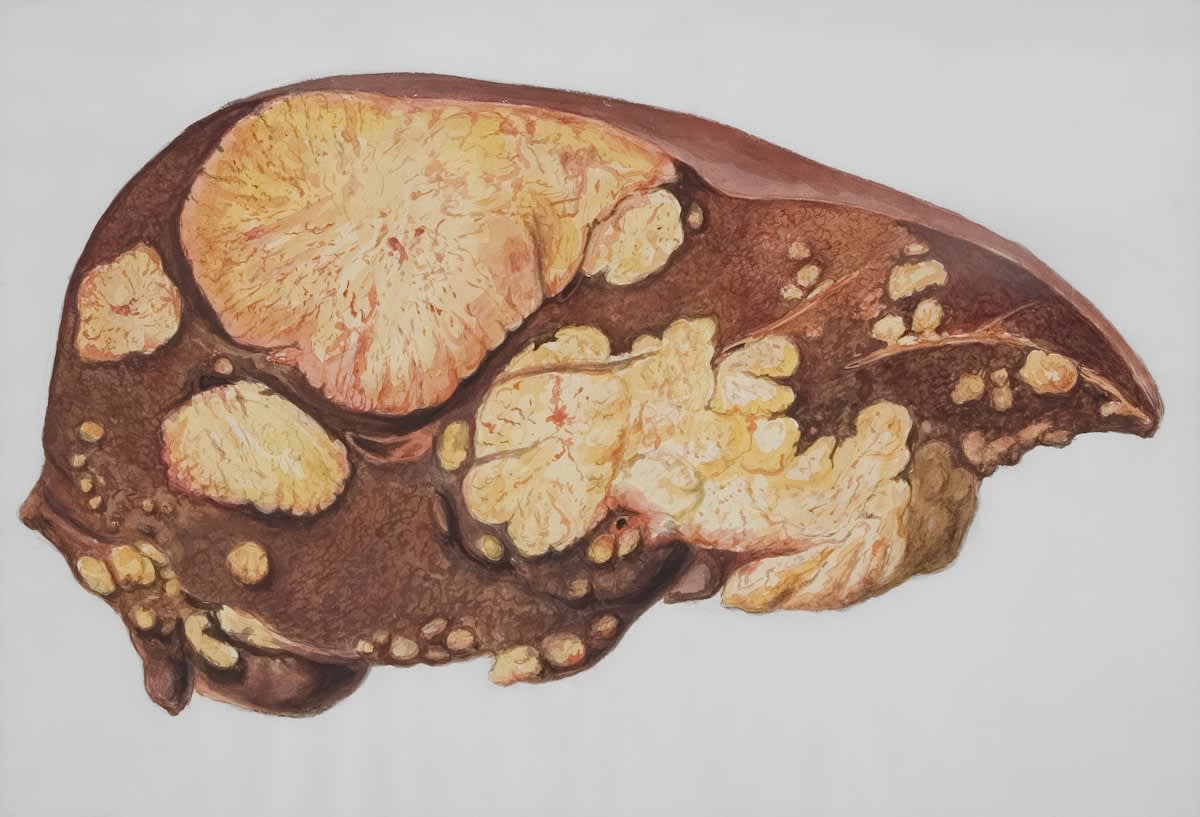
Once the baseline is set, the focus shifts from diagnosis to intervention. The pathology of silent inflammation is driven primarily by hyperinsulinemia and the accumulation of intrahepatic triglycerides. To reverse this, we must stop the influx of substrates that fuel de novo lipogenesis—the process where the liver converts excess sugar into fat.
The Four-Phase Metabolic Reset Protocol
- Phase 1: Fructose Elimination. Remove all liquid sugars, including fruit juices and high-fructose corn syrup. Fructose is processed exclusively in the liver, and excess amounts act as a direct trigger for inflammation (Source: American Liver Foundation, 2023).
- Phase 2: Circadian Fasting. Implement a 16:8 time-restricted feeding window. By extending the fasting period, you force the liver to deplete its glycogen stores and begin oxidizing stored hepatic fat through autophagy.
- Phase 3: Nutrient Density Shift. Prioritize cruciferous vegetables (broccoli, Brussels sprouts) and high-quality proteins. These provide the sulfur compounds and choline necessary for the liver to export fat via Very Low-Density Lipoproteins (VLDL).
- Phase 4: Metabolic Loading. Integrate resistance training and Zone 2 cardiovascular exercise. Muscle tissue acts as a glucose sink, reducing the amount of sugar the liver has to process and store.
This sequence is intentional. If you jump straight to intense exercise without fixing the fructose influx, you risk increasing systemic oxidative stress without addressing the root cause. The liver needs a period of relative quiet—low insulin levels and reduced substrate load—before it can effectively mobilize stored lipids.
"The reversal of metabolic liver dysfunction is not a matter of caloric restriction, but of hormonal realignment. When insulin levels drop sufficiently, the liver naturally shifts from a storage organ to an energy-producing organ."— Clinical Guidelines, World Health Organization Metabolic Health Report, 2023
Why does this work? It comes down to the chemistry of the liver. Unlike glucose, which can be used by any cell in the body, fructose is a liver-specific fuel. When the liver is overwhelmed by fructose, it creates a metabolic bottleneck, leading to the production of uric acid and the inhibition of fat oxidation. By removing this trigger, you effectively clear the bottleneck, allowing the liver to breathe again.
| Marker | Inflamed State | Reset Goal | Clinical Significance |
|---|---|---|---|
| ALT (Alanine Aminotransferase) | Elevated | Within Normal Range | Indicator of liver cell damage |
| Fasting Insulin | > 10 uIU/mL | < 6 uIU/mL | Driver of hepatic fat storage |
| Triglyceride/HDL Ratio | > 2.0 | < 1.5 | Proxy for insulin resistance |
| FibroScan (CAP) | > 280 dB/m | < 230 dB/m | Quantitative measure of steatosis |
In my years of implementing this protocol, I have observed a recurring friction between standard primary care and functional metabolic health. Most general practitioners tell patients to just lose weight. But in the clinic, I see lean patients—particularly in East Asian populations—who present with severe liver inflammation despite a low BMI. This is the lean NAFLD phenotype, driven by genetic predispositions and high refined-carbohydrate diets (Source: The Lancet Gastroenterology & Hepatology, 2021). For these individuals, caloric restriction is irrelevant; they need a total shift in macronutrient timing and sugar quality.
Common Pitfalls and Practitioner Warnings
Many people attempt a liver reset by purchasing detox teas or expensive supplements. Let me be clear: you cannot supplement your way out of a metabolic disaster. Supplements like Milk Thistle or NAC can be supportive, but they are useless if the patient is still consuming 50 grams of added sugar per day. The liver does not need a detox; it needs the removal of the toxins and the restoration of the hormonal environment that allows it to detoxify itself.
- The Detox Fallacy: Avoid 'liver cleanses' that promise instant results via juices. These often spike insulin and worsen steatosis.
- The Protein Gap: Many patients drop calories too aggressively, leading to muscle loss. This slows the basal metabolic rate and makes liver fat mobilization harder.
- Ignoring Sleep: Sleep apnea is highly correlated with MASLD. If you are not sleeping, your cortisol levels stay elevated, which drives gluconeogenesis in the liver and prevents the reset.
- Over-reliance on Cardio: Walking is great, but without resistance training, you fail to build the glucose-absorbing capacity of the skeletal muscle.
The transition period is where most people fail. Around day ten of a metabolic reset, the body often experiences a 'carb flu' as it switches from glucose to lipid metabolism. This is not a sign of failure, but a sign of adaptation. The key is managing electrolytes—specifically sodium, potassium, and magnesium—to maintain cellular function during the shift.
Clinical Safety Warning
This protocol is designed for metabolic optimization and is not a replacement for medical treatment of advanced cirrhosis or acute hepatitis. Always consult a hepatologist before starting a fasting regimen if you have a history of kidney disease or are on insulin-dependent medication.
Fact-Check & Accuracy Note
Key claims regarding fructose-driven lipogenesis and the efficacy of time-restricted feeding are sourced from the World Health Organization (2023) and The Lancet (2022). The distinction between MASLD and NAFLD reflects the most recent nomenclature updates in global hepatology. Areas of ongoing debate include the exact duration of fasting required for significant fibrosis reversal.