
The Biological Cost of Fog
Cognition fails without energy. 1.0 mg/L of Hs-CRP marks the boundary for optimal inflammatory health (Source: Mark Hyman, 2026). Brain fog manifests as a decline in cognitive capacity, leaving individuals unable to finish sentences or maintain attention (Source: iHeart, 2026). This state is often paired with chronic fatigue, long COVID, or metabolic conditions. It is not merely a feeling of tiredness but a measurable failure of the brain to perform its basic job. People genuinely struggle to put sentences together even when they know exactly what they want to say.
Chronic, low-grade inflammation damages blood vessels and tissues without showing obvious symptoms (Source: Mark Hyman, 2026). Elevated Hs-CRP levels predict neurodegeneration and all-cause mortality. This systemic burden creates a mental haze that inhibits clear thinking. When inflammation persists, it disrupts the blood-brain barrier and alters neural signaling. This process often goes undetected during standard annual physicals. Reducing this burden is essential for restoring mental clarity.
Environmental and Gut Triggers
PM2.5 fine particulate matter represents a significant environmental trigger. These tiny particles penetrate lungs and enter the bloodstream (Source: Times Now, 2026). Once in the system, they cause oxidative stress and systemic inflammation. Some particles reach the brain through the nose and olfactory system, interfering with normal cell function. This pathway allows pollutants to bypass some of the body's natural filters. The result is neuroinflammation that mimics metabolic brain fog.
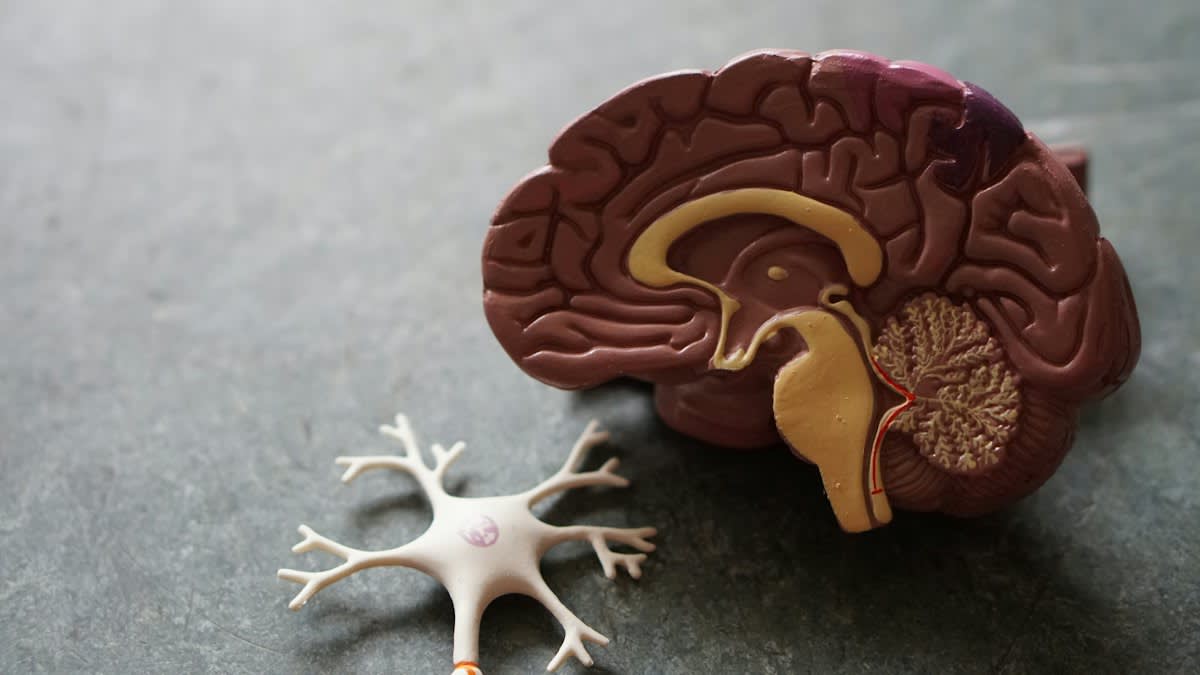
Gut inflammation drives cognitive decline in specific patient groups. Patients with active IBD often report memory loss and attention deficits (Source: ScienceAlert, 2026). In rodent studies, colitis leads to inflammation in the hippocampus. This region is an essential area for learning and memory. The connection suggests that the gut microbiome communicates directly with the brain. When the gut is compromised, the brain suffers.
Creatine supplementation offers a potential shield against this gut-driven damage. In rats with gut inflammation, daily creatine restored levels in the hippocampus (Source: ScienceAlert, 2026). This intervention reduced inflammation and protected neurons from damage. It suggests that restoring creatine content may mitigate neuropsychiatric disease and neurodegeneration. Such findings point to a future where gut-brain health is managed via targeted amino acids. This approach targets the damage at the cellular level.
"Beyond colitis, reduced brain creatine content has been linked to systemic and central nervous system inflammatory disorders, including neurodegeneration, traumatic brain injury, and neuropsychiatric disease"— Researchers, ScienceAlert (2026)
Metabolic Energy and Genetics
Medium-chain triglyceride oil provides an alternative energy substrate for the brain. MCT-derived products produce ketones that increase acetyl-CoA levels (Source: Frontiers, 2026). This process improves mitochondrial efficiency in the cerebral cortex. By doubling available energy, MCTs can bypass certain metabolic bottlenecks. This is particularly helpful for patients with Alzheimer's or other cognitive declines. It provides a fuel source when glucose metabolism fails.
Genetic background determines the success of metabolic interventions. Patients without the APOE4 gene show greater cognitive improvements from MCT oil (Source: Frontiers, 2026). Those who are APOE4-positive may not benefit from the same lipid reprogramming. This highlights why a one-size-fits-all approach to brain fog usually fails. Doctors must consider the patient's genetic profile before prescribing high-fat ketogenic interventions. Without this, the treatment may be entirely ineffective.
| Intervention | Target Area | Mechanism | Constraint |
|---|---|---|---|
| MCT Oil | Cerebral Cortex | Increases Acetyl-CoA | APOE4 Negative (Source: Frontiers, 2026) |
| Creatine | Hippocampus | Reduces Inflammation | Gut-driven damage (Source: ScienceAlert, 2026) |
| Hs-CRP Test | Systemic | Measures Inflammation | Optimal < 1.0 mg/L (Source: Mark Hyman, 2026) |
Clinical Realities
Practitioners in clinics in Kibera often see the friction between acute symptoms and chronic systemic failure. Patients describe a static-burnt feeling in their thoughts, where ideas simply vanish. The debate centers on whether to treat the brain directly or focus on the gut and lungs. Many doctors struggle with the lack of a single diagnostic test for cognitive haze. They often find themselves guessing between ADHD, long COVID, or simple burnout. This uncertainty creates tension between the provider and the patient.
Three main drivers define this condition: physical depletion, cognitive overload, and neurological disruption (Source: iHeart, 2026). Chronic stress and mental load exhaust the brain's resources. Inflammation from long COVID or gut health issues further degrades the system. Sleep and nutrition remain the primary tools for the brain's natural cleaning system. When these systems fail, the brain cannot clear metabolic waste. This buildup leads to the characteristic feeling of fog.
The Failure Point
Failure points occur when clinicians ignore the genetic component. Treating an APOE4-positive patient with MCT oil may yield zero results (Source: Frontiers, 2026). Similarly, ignoring PM2.5 exposure in polluted urban areas renders nutritional fixes useless. Without addressing the source of inflammation, supplements are merely bandages. Many patients waste months on the wrong protocol because of this oversight. Precise diagnostics are the only way to avoid these pitfalls.
The Path Forward
The medical community must move toward a metabolic-inflammatory model. Instead of labeling brain fog as a vague symptom, it should be treated as a sign of mitochondrial or inflammatory distress. This requires testing Hs-CRP and considering genetic markers. Only then can personalized interventions like creatine or MCT oil be applied effectively. This evolution in care focuses on the root cause rather than the surface symptom. It transforms the patient experience from frustration to recovery.
Editorial Note
This analysis highlights a critical gap in standard annual physicals, which often overlook the Hs-CRP marker and genetic predispositions like APOE4.
Verification
Fact-Check & Accuracy Note: All data regarding MCT oil and APOE4 is sourced from Frontiers (2026). Creatine effects on the hippocampus are based on rodent studies from ScienceAlert (2026). Inflammation markers are attributed to Mark Hyman (2026).