The New Era of Metabolic Management
GLP-1 agonists like Ozempic, Wegovy, and Mounjaro have shifted from specialized diabetes tools to mainstream weight loss catalysts. They do far more than simply shrink waistlines; emerging research suggests they may actually slow biological aging by reducing DNA markers of senescence and lowering systemic inflammation. However, there is a physiological price to pay for rapid weight loss. When the body drops pounds quickly, it does not exclusively target adipose tissue; it often strips away lean muscle mass in the process. How do we keep the metabolic engine running while shedding the excess bulk?
The implications of this transition extend far beyond the mirror. A Harvard study led by Professor Rebecca Diamond revealed that for some women, the resulting weight loss correlates with a 27% increase in job prospects for those previously unemployed, alongside notable improvements in marriage and cohabitation. This indicates that GLP-1 therapy is not merely a medical prescription but a total life transition. To ensure this transition is sustainable, the focus must shift from the scale to the composition of the body.
Prerequisites: Your Metabolic Toolkit
- Resistance equipment: A set of resistance bands, light dumbbells, or access to a gym.
- Protein sources: High-quality, lean proteins that are gentle on the digestive system.
- Hydration tracking: A method to ensure consistent fluid intake throughout the day.
- Micronutrient support: A Vitamin D supplement to support muscle stability.
- Tracking logs: A journal to record strength gains rather than just weight loss.
Before you begin this protocol, you must accept a fundamental truth: the medication is the catalyst, not the cure. The drug manages your appetite and insulin response, but you are solely responsible for the structural integrity of your body. Without a deliberate plan, you risk the skinny fat phenomenon, where your weight drops but your metabolic rate crashes because your muscle mass vanished. You are essentially trading a fat problem for a muscle problem, which is a losing bargain in the long run.
The Step-by-Step Muscle Preservation Protocol
- Implement a Resistance Training foundation (minimum 2x weekly).
- Solve the Protein Paradox by pairing intake with mechanical tension.
- Integrate daily low-impact movement to support metabolic flux.
- Optimize hydration and Vitamin D levels to prevent muscle failure.
- Monitor non-scale victories and biological markers of aging.
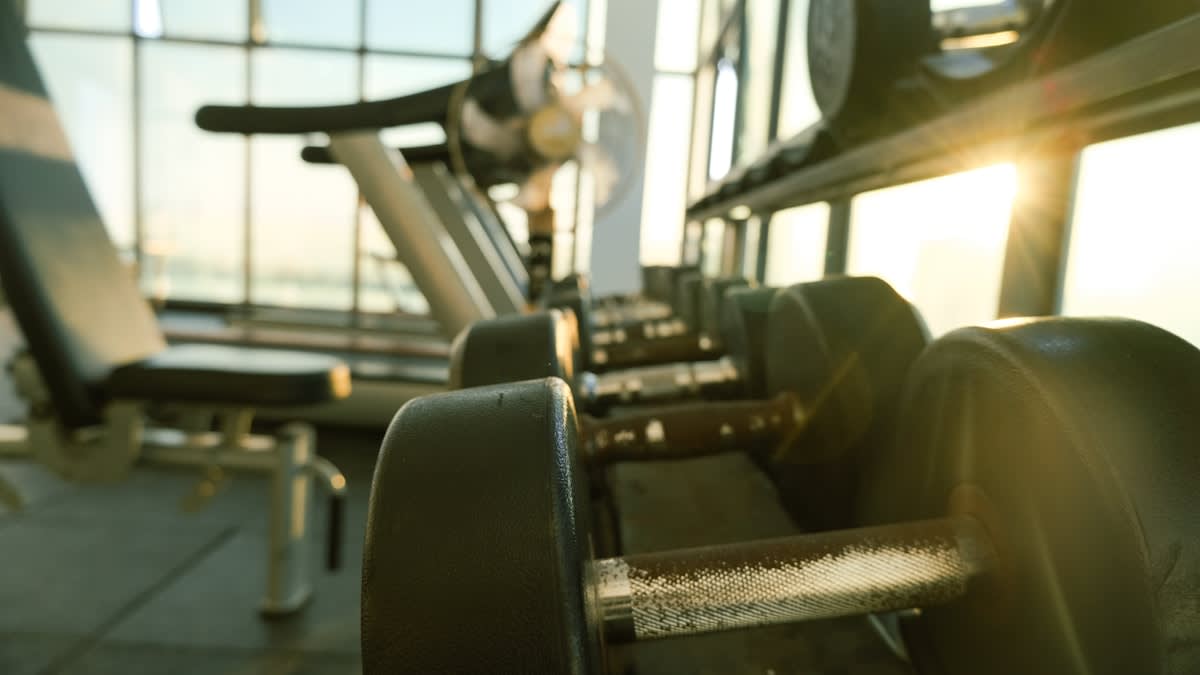
Let us dismantle the first pillar: Resistance Training. You do not need to live in a gym to see results, but you must provide a reason for your body to keep its muscle. Research indicates that strength training twice weekly—using bodyweight, resistance bands, or dumbbells—is the primary defense against muscle decline. Whether you utilize high repetitions with lighter weights or heavy, low-rep lifting, the mechanical stimulus is what signals the body to preserve lean tissue. If you do not lift, your body views muscle as an expensive luxury it can no longer afford.
The stakes for this specific habit are incredibly high. A 2022 systematic review published in the American Journal of Preventive Medicine found that any amount of resistance training reduced the risk of dying from all causes by 15%, cardiovascular disease by 19%, and cancer by 14%. This is no longer about aesthetics or fitting into a smaller size; it is about systemic resilience. By lifting weights, you are essentially buying insurance for your longevity.

Next, we must address the protein paradox. Walk into any grocery store and you will see an explosion of protein bars, shakes, and fortified waters. The relentless marketing suggests that simply eating more protein automatically equals more muscle. This is a dangerous misconception. A systematic review in the Journal of the American Medical Directors Association found that protein or amino acid supplementation alone did not significantly increase muscle mass or strength in older adults compared to controls.
Think of protein as the bricks and resistance training as the mason. Without the mason, the bricks just sit in a pile on the sidewalk. You need both to build a wall. Focus on lean proteins that do not trigger the gastrointestinal distress often reported by GLP-1 users, such as the vomiting and diarrhea noted in reports from Singapore. If your appetite is suppressed, prioritize nutrient density over volume.
While strength training builds the foundation, do not overlook the power of the simple walk. Walking serves as a standalone aid against muscle loss and a perfect complement to resistance work. It keeps the lymphatic system moving and supports the overall metabolic rate without adding excessive stress to a body already undergoing rapid chemical change. It is the low-cost, repeatable step that ensures your cardiovascular system keeps pace with your weight loss.

Now, consider the invisible supports: hydration and Vitamin D. In older adults, low Vitamin D is directly linked to weaker muscles and a higher frequency of falls. When you are on a GLP-1, your appetite drops, and so does your subconscious intake of essential nutrients. If you are not consciously supplementing and hydrating, your performance in the gym will crater, and your recovery will stall. Water is the medium in which all metabolic reactions occur; without it, your muscle preservation efforts are neutered.
We must also acknowledge the biological costs of these medications. Some users have reported shocking side effects, including significant hair loss and severe GI issues. These are often the red flags of rapid nutrient depletion and caloric deficits that are too steep. By focusing on a structured metabolic transition, you mitigate these risks and lean into the drug's potential to reduce inflammation and slow biological aging. You are not just losing weight; you are optimizing your biological hardware.
Finally, track your progress through a lens of total health. Look at your energy levels, your strength gains, and your social integration. As the Harvard data suggests, the psychological and economic boost—such as that 27% jump in employment prospects—is a powerful motivator. Use that newfound confidence to fuel your workouts. When you feel the social and professional benefits of your transformation, the discipline required for the gym becomes far easier to maintain.
Common Pitfalls to Avoid
- The Protein-Only Trap: Relying solely on shakes and bars without any resistance training.
- Hydration Neglect: Ignoring fluid intake, which leads to muscle cramps and premature fatigue.
- The Magic Pill Fallacy: Overestimating the drug's ability to maintain muscle and skipping the gym.
- Micronutrient Blindness: Neglecting Vitamin D, which compromises muscle stability and bone density.
The Practitioner's Warning
Protein is a building block, not a builder. Without the stimulus of resistance training, extra protein is simply extra calories, not extra muscle.
The ultimate goal is not a lower number on the scale, but a lean, functional body that supports a longer, healthier life. By combining the pharmaceutical power of GLP-1s with the physiological necessity of strength training, you avoid the pitfalls of muscle wasting. You are shifting from a state of simple weight loss to a state of metabolic optimization. This is how you preserve the engine while shedding the weight.