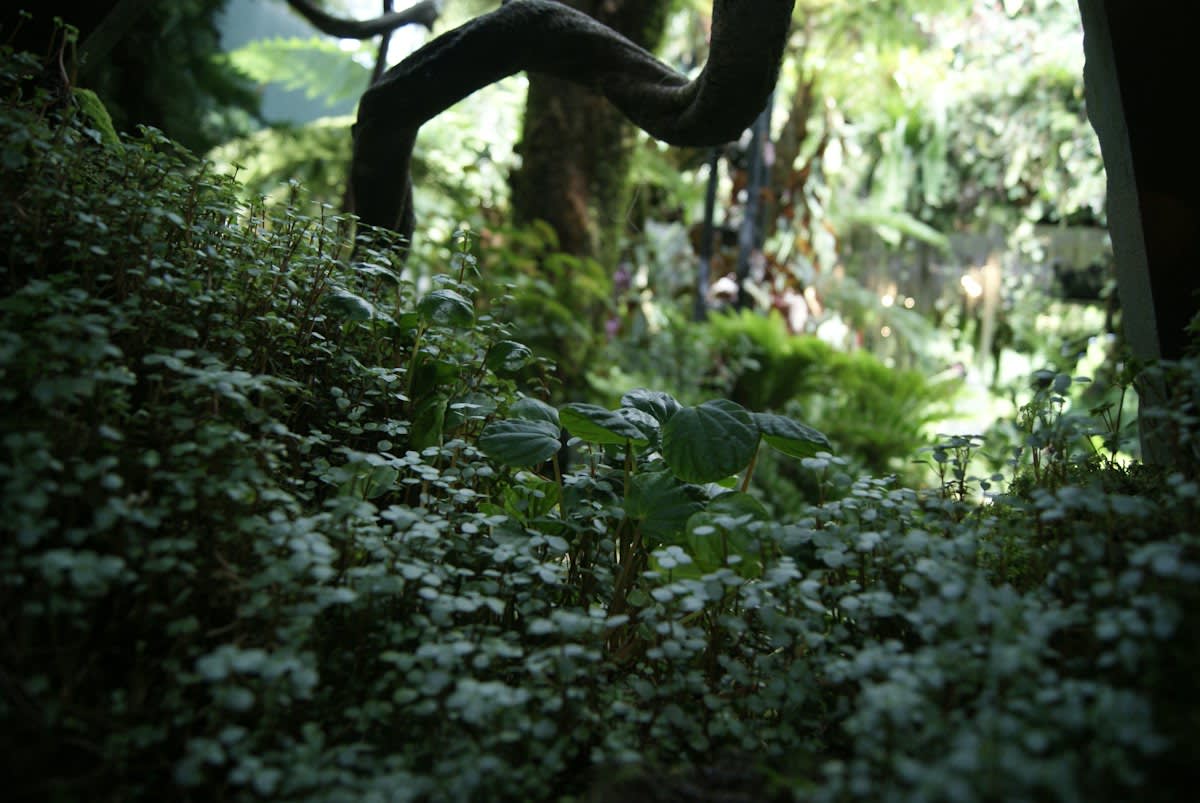
Dirt is medicine. While modern medicine relies on synthetic synthesis, the most potent antimicrobial compounds often reside in the unexplored soil of ancestral lands where microbes have fought chemical wars for millennia. We ignored the ground for too long. Do we really believe a sterile lab can outthink four billion years of evolution? The industry is finally admitting that the most sophisticated chemical factories are not made of steel but of humus and clay.
The Great Plate Count Anomaly
Labs are failing. For decades, pharmaceutical giants focused on modifying existing drug classes, but this approach has hit a wall as bacteria evolve resistance faster than we can tweak the chemistry. The pipeline is dry. Only about 1% of soil microbes can be grown in a standard petri dish (Source: Nature Reviews Microbiology, 2019). This gap represents a massive void in our medical knowledge. We are essentially trying to read a library while only being able to open one page in every hundred books.
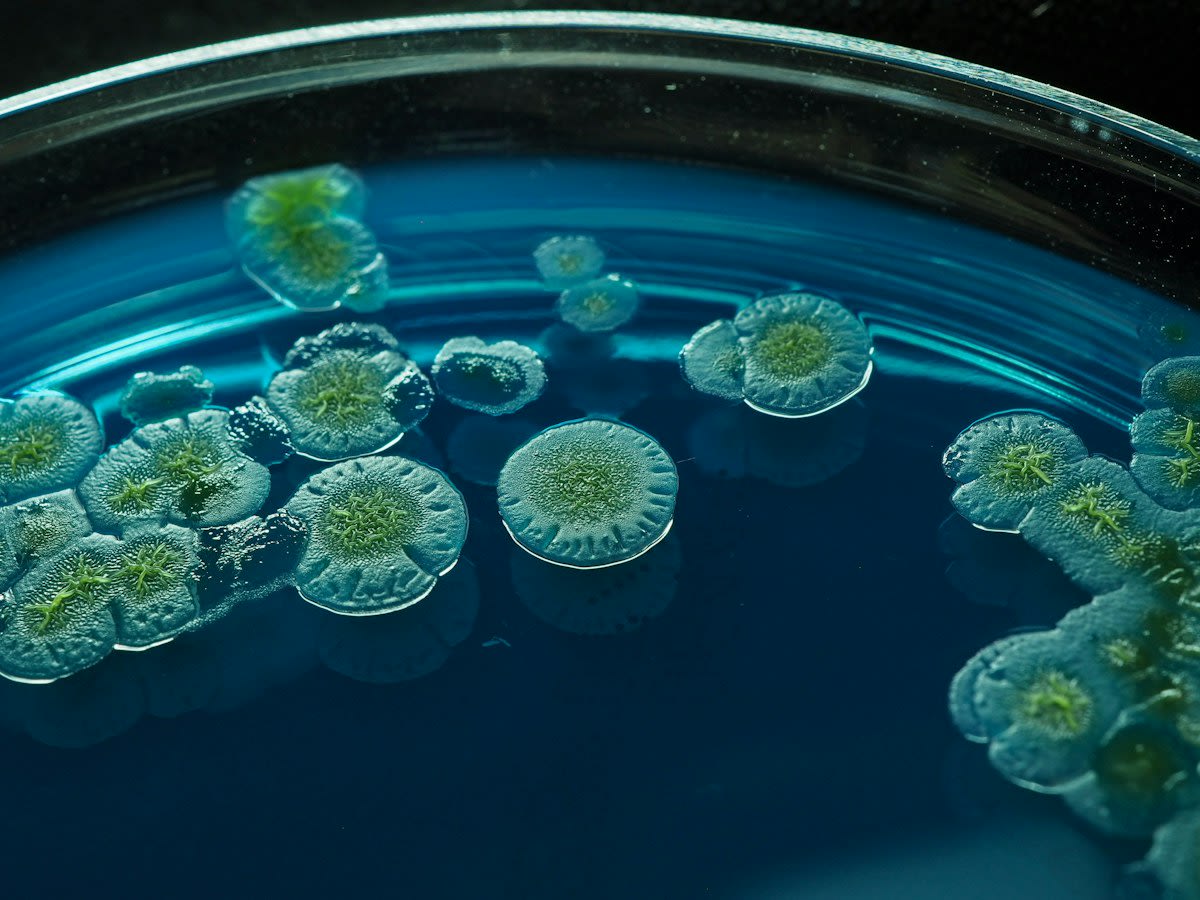
Technology is shifting. The introduction of the iChip allows scientists to culture bacteria in their natural environment, bypassing the need for artificial agar and enabling the discovery of previously invisible species. The results are startling. This method led to the discovery of Teixobactin, a compound that shows promising activity against MRSA without triggering immediate resistance (Source: Nature, 2015). We are now seeing a surge in soil-sampling expeditions to the Global South.
The Geopolitical Fray
Lawyers hate dirt. The Nagoya Protocol mandates that benefits from genetic resources must be shared fairly with the countries of origin, creating a bureaucratic wall for researchers. It slows everything down. When a company finds a miracle molecule in the soil of the Congo Basin, the question of who owns that sequence becomes a diplomatic nightmare. This is not just about science; it is about the ownership of biological heritage.
"The transition from physical bioprospecting to digital sequence information is the new battleground for genetic sovereignty."— Dr. Vandana Shiva, Environmental Activist and Scholar
Money talks loudly. The natural products market is expanding as companies realize that the cost of failure in synthetic drug design is higher than the cost of ethical bioprospecting. The stakes are high. Antimicrobial resistance is projected to cause 10 million deaths per year by 2050 if no new classes of antibiotics are found (Source: The Lancet, 2016). We cannot afford to let legal disputes stall the discovery of the next penicillin.
The Digital Sequence Loophole
Data is the prize. Instead of shipping physical soil samples across borders, firms now sequence the DNA on-site and upload the code to a cloud server. This bypasses the dirt. By treating the genetic code as Digital Sequence Information (DSI), companies argue that the Nagoya Protocol no longer applies because no physical matter left the country. This is a legal gamble. Indigenous groups in the Amazon are now fighting to have DSI recognized as a protected resource.
Industry insiders fight. In the boardrooms of Big Pharma, there is a bitter divide between the old guard who prefer traditional chemistry and the new genomicists who want to treat nature as a database. The friction is palpable. One side argues that the risk of litigation makes soil mining too expensive, while the other claims that staying in the lab is a recipe for obsolescence. This internal war determines which projects get funded and which ancestral lands are targeted.
| Approach | Primary Source | Legal Hurdle | Success Rate |
|---|---|---|---|
| Traditional Bioprospecting | Physical Soil Samples | Nagoya Protocol (Physical) | Low (Cultivation limit) |
| Genomic Mining | DNA Sequences (DSI) | DSI Governance Debate | High (Sequence discovery) |
Global Hotspots of Discovery
Brazil is central. The Amazonian soil contains a diversity of actinobacteria that is unmatched anywhere else on the planet, offering a goldmine for novel enzyme discovery. The pressure is mounting. Researchers in Vietnam are similarly targeting the soil of ancient forest floors to find compounds that can break down plastic or kill superbugs. These regions are the new frontiers of medicine.
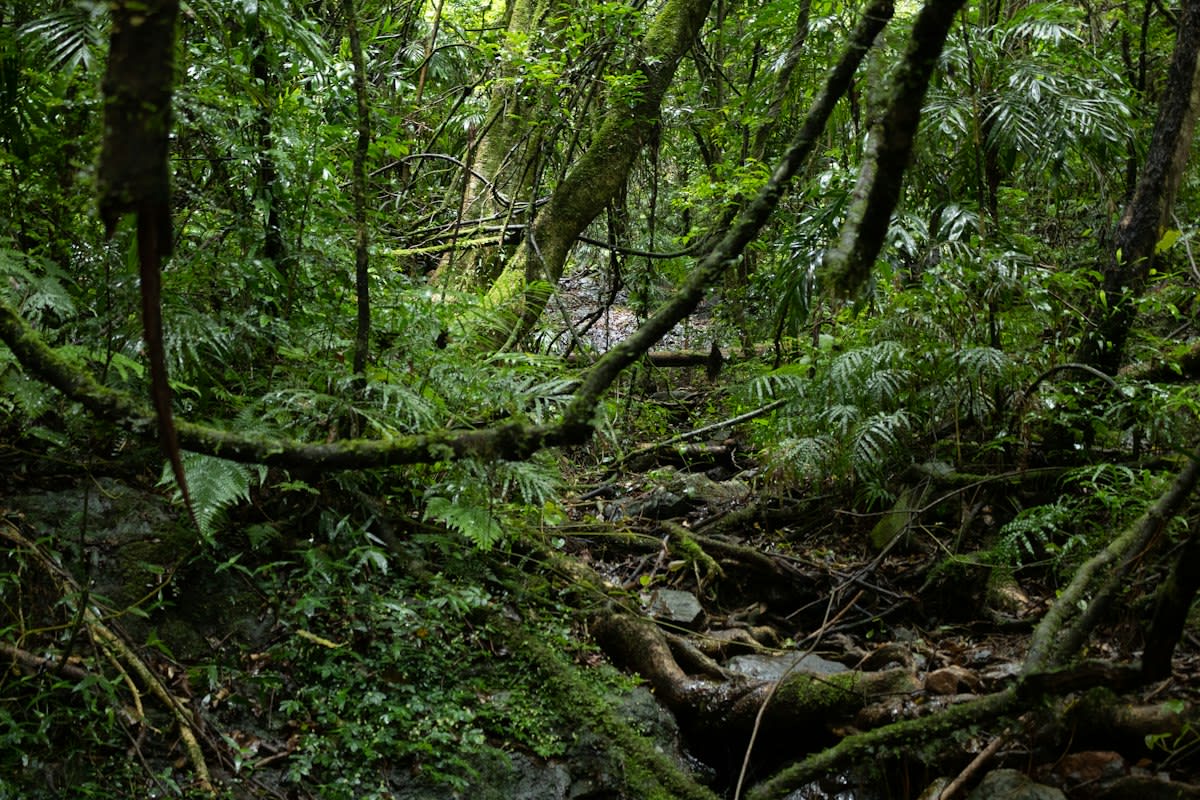
Ethics are lagging. Many companies still use a 'find and file' strategy, where they patent a molecule before the host community even knows the soil was sampled. This creates deep mistrust. How can we expect indigenous guides to lead scientists to the right plots of land if the rewards only flow to shareholders in Basel or New Jersey? The model must change.
Solutions are emerging. Some biotech firms are implementing 'Benefit Sharing Agreements' that provide direct funding for local healthcare infrastructure in exchange for sampling rights. It is a start. These agreements move beyond mere royalties to provide tangible value to the people who protected the land for generations. This is the only way to ensure a sustainable supply of biological data.
Fact-Check & Accuracy Note
The primary academic debate centers on whether Digital Sequence Information (DSI) constitutes a 'genetic resource' under the Convention on Biological Diversity. If DSI is excluded, the Nagoya Protocol becomes effectively obsolete, as physical sampling will be replaced by digital uploads. This is currently being contested in UN biodiversity conferences.
The clock is ticking. We are losing species and soil health faster than we can map them, meaning we are erasing the pharmacy before we have read the labels. The urgency is real. Every hectare of rainforest lost to agriculture is a potential cure for cancer or a new antibiotic gone forever. We are burning the library to stay warm.
Editorial Note
This report focuses on the intersection of microbiology and international law. It avoids alarmist narratives regarding the 'end of antibiotics' and instead focuses on the adaptive opportunities presented by genomic mining and ethical bioprospecting.