In Jharkhand, even jails are not safe: Babulal Marandi
Source Entity
India Latest News: Top National Headlines Today & Breaking News | The Hindu
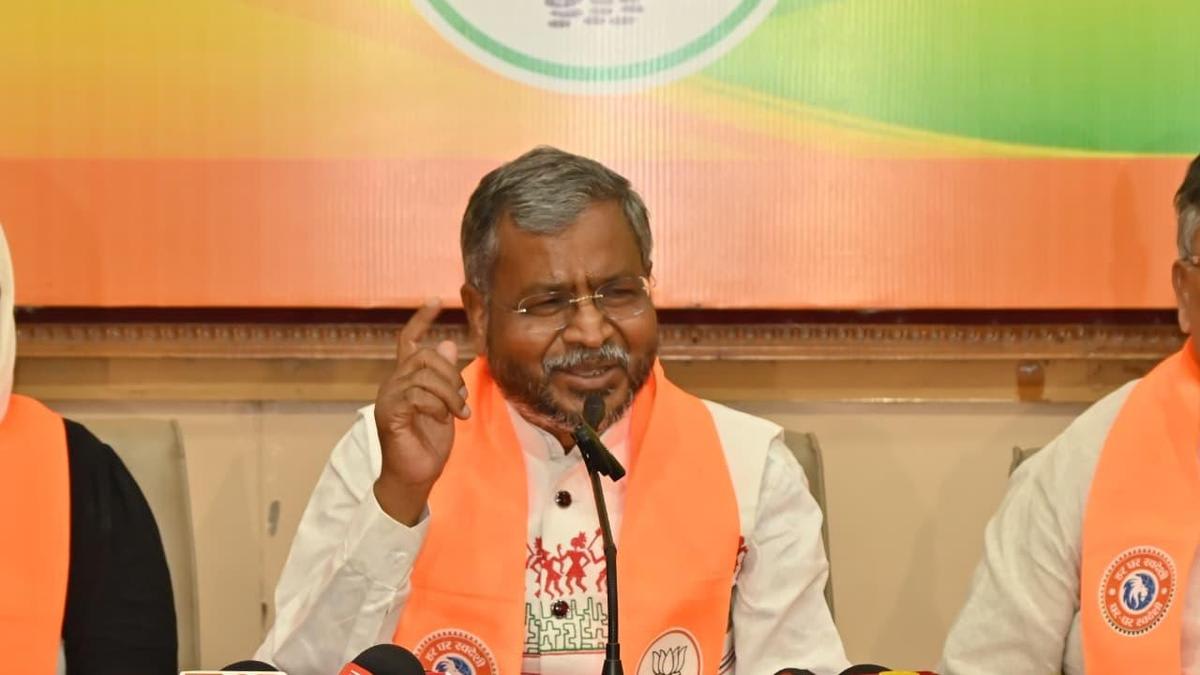
Jharkhand opposition leader Babulal Marandi has sharply criticized the Soren government over a deteriorating law and order situation. The critique follows high-profile criminal incidents involving prisons and police stations, leading to multiple officer suspensions.
The Crisis of Governance in Jharkhand
On November 14, 2026, the Leader of the Opposition in the Jharkhand Legislative Assembly, Babulal Marandi, issued a scathing critique of the incumbent Soren administration. His statement marks a significant escalation in the political discourse regarding the state's internal security, as he explicitly characterized the current law and order situation as a complete collapse of governance. By highlighting a series of disturbing criminal incidents, Marandi has placed the state government’s administrative efficacy under intense public and political scrutiny.
Institutional Failures and Public Safety
The core of Marandi’s argument rests on a series of alarming reports that suggest a systemic failure of state institutions tasked with protecting citizens. He specifically pointed to the sexual assault of a youth within the Hotwar Jail—an institution meant to be a secure facility under state control. This incident, combined with the alleged involvement of a Congress MLA from Simdega in the rape of a minor, paints a picture of pervasive vulnerability. When the institutions of incarceration and the halls of political power become associated with criminal impunity, public trust in the rule of law is severely compromised.
Accountability and Police Conduct
Perhaps the most damning evidence presented by the opposition involves the Gamharia police station in the Saraikela-Kharsawan district. On November 1, 2026, a 20-year-old woman was allegedly raped on police premises, a location that should represent the ultimate sanctuary for those seeking justice. The subsequent suspension of fifteen police officers in connection with this case underscores the depth of the rot within local law enforcement. Such a mass disciplinary action confirms that the failure was not merely an isolated oversight but a catastrophic lapse in professional conduct and oversight.
Broader Implications for the Soren Administration
The political fallout from these events is likely to be significant. Babulal Marandi’s assertion that these crimes raise "serious questions on the functioning of the government" serves as a rallying cry for the opposition to demand greater accountability. In a state where law and order is a frequent campaign pillar, the inability of the government to safeguard individuals in police stations and prisons provides a potent narrative for those seeking to challenge the current administration's legitimacy.
Historical Context and Future Trends
Jharkhand has long grappled with complex challenges related to governance and internal security. The recent surge in high-profile criminal cases involving state institutions suggests that the administrative machinery is struggling to maintain basic standards of safety. Moving forward, the government will likely face increased pressure to implement systemic police reforms and enhance oversight within the correctional system. If the administration fails to address these structural weaknesses, the perception of a 'collapsed' state will likely continue to dominate the political landscape, potentially influencing upcoming legislative priorities and electoral outcomes.
Verification Required?