Staggered age of consent to be discussed after Brand allegations, minister says
Source Entity
BBC News
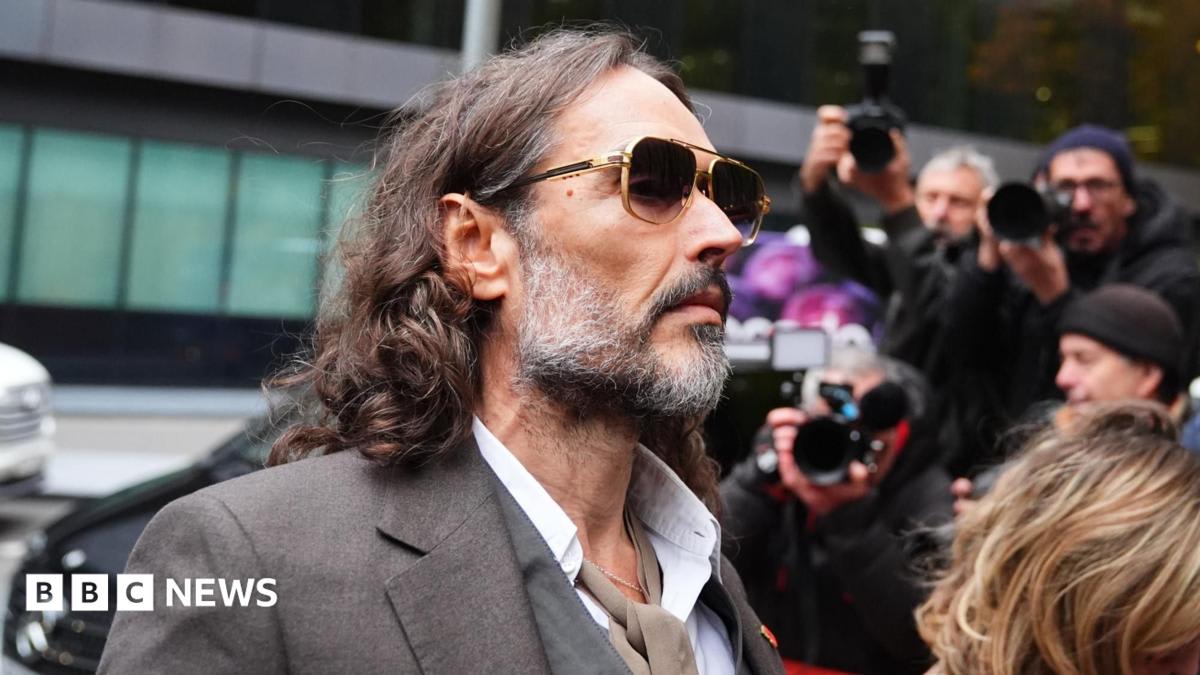
The UK government is considering a review of the age of consent laws following rape allegations against Russell Brand. A survivor is campaigning to criminalize relationships between adults and 16-to-17-year-olds.
The Call for Legal Reform: Addressing the Age of Consent Gap
The UK government has signaled a willingness to review the current age of consent laws, prompted by public outcry following serious allegations of sexual abuse leveled against comedian Russell Brand. Work and Pensions Secretary Pat McFadden confirmed that the government is prepared to discuss the merits of a 'staggered' age of consent, a policy shift that would seek to address the power imbalances often exploited by older individuals in relationships with minors.
The Catalyst for Change
At the center of this legislative debate is a survivor who alleges she was raped by the now-jailed comedian when she was just 16 years old. Her advocacy, which seeks to outlaw sexual relationships between adults and individuals aged 16 and 17, has gained significant political traction. By highlighting the potential for predatory behavior, her campaign forces a re-examination of the legal threshold that currently permits sexual activity for 16-year-olds.
Examining the 'Abuse of Power'
Pat McFadden’s remarks to the BBC underscore a broader societal reckoning regarding the 'abuse of power' by influential figures. The government acknowledges that the recent revelations concerning Brand have brought the vulnerability of 16- and 17-year-olds into the national spotlight. This discussion is not merely about age, but about the systemic inability of legal frameworks to protect young people from predatory adults who leverage their status and influence to bypass traditional social safeguards.
Challenges in Legislative Implementation
While the commitment to discuss these changes is clear, the path toward new legislation is complex. A 'staggered' age of consent would represent a significant departure from current legal standards, potentially necessitating a complete overhaul of how the law defines capacity, consent, and adulthood. Policymakers must balance the need for enhanced protection against the complexities of existing criminal law, which currently treats 16 as the age of sexual consent for most activities.
Broader Societal and Future Implications
Looking ahead, the potential for policy reform reflects a shifting public sentiment that prioritizes the protection of minors over the status quo. If the government proceeds with these discussions, it could set a precedent for how the justice system manages power-dynamic-based offenses. Future trends likely point toward a more restrictive interpretation of consent, particularly in cases involving significant age gaps, as the government faces mounting pressure to close loopholes that have historically shielded perpetrators of abuse.