
Prerequisites for Energy Calibration
Successful calibration of mitochondrial energy requires a precise kit of molecular tools and environmental controls. Practitioners must secure access to MTCH2 suppression agents to manipulate metabolic rates and Cyclin B markers to monitor the G2/M phase boundary. For redox control, the deployment of photo-oxidative nanoassemblies, specifically those utilizing MetO reductases, is mandatory to maintain intracellular homeostasis. Furthermore, the use of light-activated small molecule switches, such as the prosthe6 series, allows for the temporal precision required to trigger protein state changes without permanent genetic alteration.
- MTCH2 (Mitch) suppression protocols for metabolic downregulation
- Cyclin B expression monitors for nuclear reprogramming verification
- Photo-oxidative nanoassemblies (Compound 1/2) for redox cycling
- White light irradiation source (3.0 mW/cm2) for nanoassembly conversion
- Water-based enzymatic catalysts for DNA-barcoded molecule synthesis
- Human-relevant organoid platforms for translational validation
Execution Protocol for Targeted Refolding
- Suppress MTCH2 expression to induce a decline in cellular energy production. This shift forces the cell to utilize fat deposits and carbohydrates, creating a metabolic window conducive to protein restructuring.
- Introduce supramolecular nanoassemblies into the target cells. Use white light irradiation at 3.0 mW/cm2 for 10 minutes to achieve a 97% quantitative conversion of Compound 1 into the oxidized Compound 2.
- Activate MetO reductases to counteract photo-oxidative stress. This restores redox and energy homeostasis, ensuring the cell survives the energy dip while remaining in a plastic state.
- Induce nuclear reprogramming by stimulating the cell-cycle protein Cyclin B. This allows mature, non-dividing cells to cross the G2/M phase boundary and enter a state of cellular dematuration.
- Apply light-activated small molecule drugs to reactivate specific retinal or neural circuits, mimicking healthy photoreceptor function without needing implanted devices.
- Validate the refolding efficiency using DNA-barcoded molecules synthesized under mild, water-based conditions to avoid damaging sensitive labels.
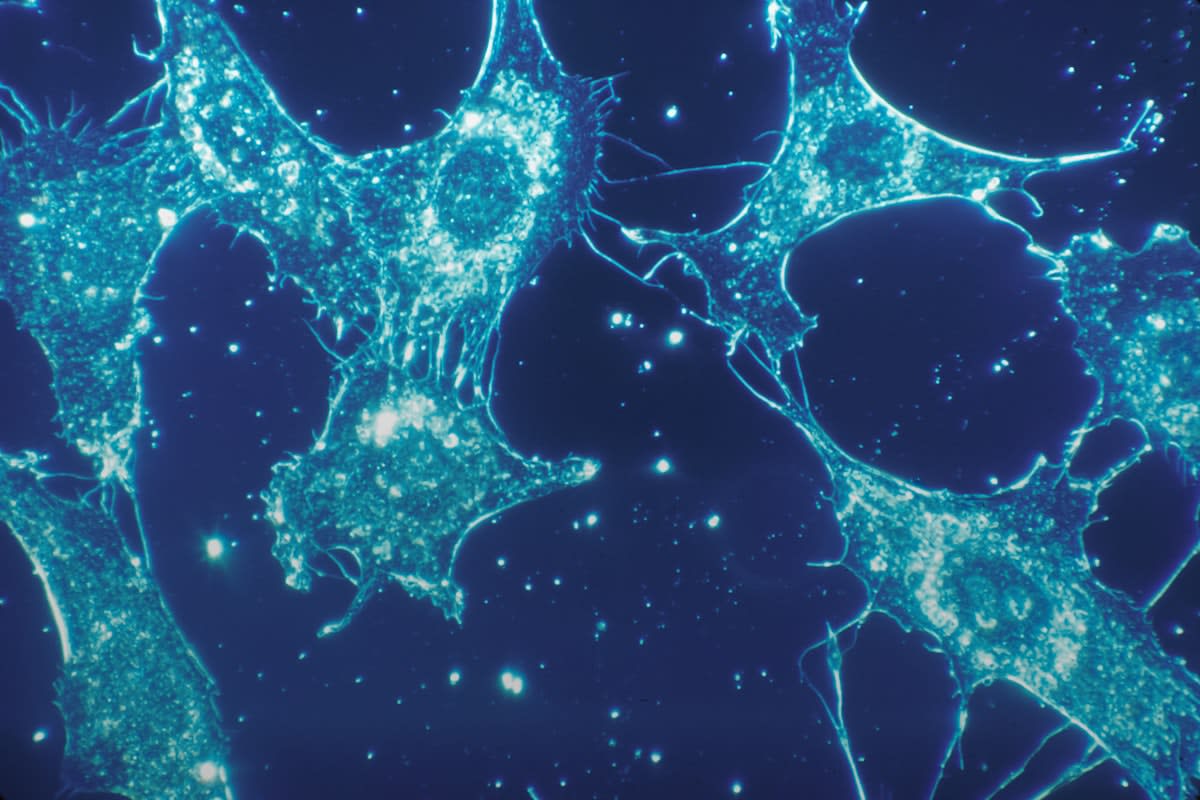
The utility of MTCH2, or Mitch, extends beyond simple weight management. While research from the Weizmann Institute in Israel highlights its role in suppressing fat storage and increasing fat burning, the strategic practitioner views this as a method for energy calibration. By deliberately declining energy production, the cell is pushed into a state of metabolic urgency. This state is the catalyst for protein refolding, as the cell prioritizes the recycling of damaged proteins over the synthesis of new ones, provided the redox environment is strictly controlled.
Why is redox homeostasis the bottleneck? When nanoassemblies are internalized, they often create oxidative stress that can lead to apoptosis. The Nature study on supramolecular transformations demonstrates that programmable influx-efflux cycles can mitigate this. By engineering bacteria to express MetO reductases in response to photo-oxidative stress, researchers achieved a self-regulating system. This ensures that the energy dip required for refolding does not cross the threshold into permanent cellular death.
Kinetic Precision
The quantitative conversion of Compound 1 to Compound 2 (97% efficiency) within 10 minutes proves that redox states can be flipped with high temporal precision, a requirement for targeted protein refolding.
Transitioning from metabolic state to structural identity requires the intervention of Cyclin B. In adult neurons, which are typically non-dividing, the introduction of ECT-like stimulation coaxes the cell into a youthful state. This cellular dematuration is not a simple switch but a complex nuclear reprogramming. Without Cyclin B, the cell cannot cross the G2/M phase boundary, rendering any attempt at energy calibration useless for structural refolding.
"Mice engineered to lack Cyclin B exhibited a total failure of nuclear reprogramming and showed zero behavioral improvements following stimulation, identifying Cyclin B as the absolute gatekeeper of ECT efficacy."— Neuroscience News Research Report
To ensure these interventions are human-relevant, the use of New Approach Methodologies (NAMs) is essential. Crown Bioscience's integration of patient-derived models and organoid platforms allows for the testing of MTCH2 suppression and Cyclin B activation in environments that mirror human physiology. This bridges the gap between the observed 40% obesity rate in the U.S. and the actual molecular application of mitochondrial energy calibration in a clinical setting.
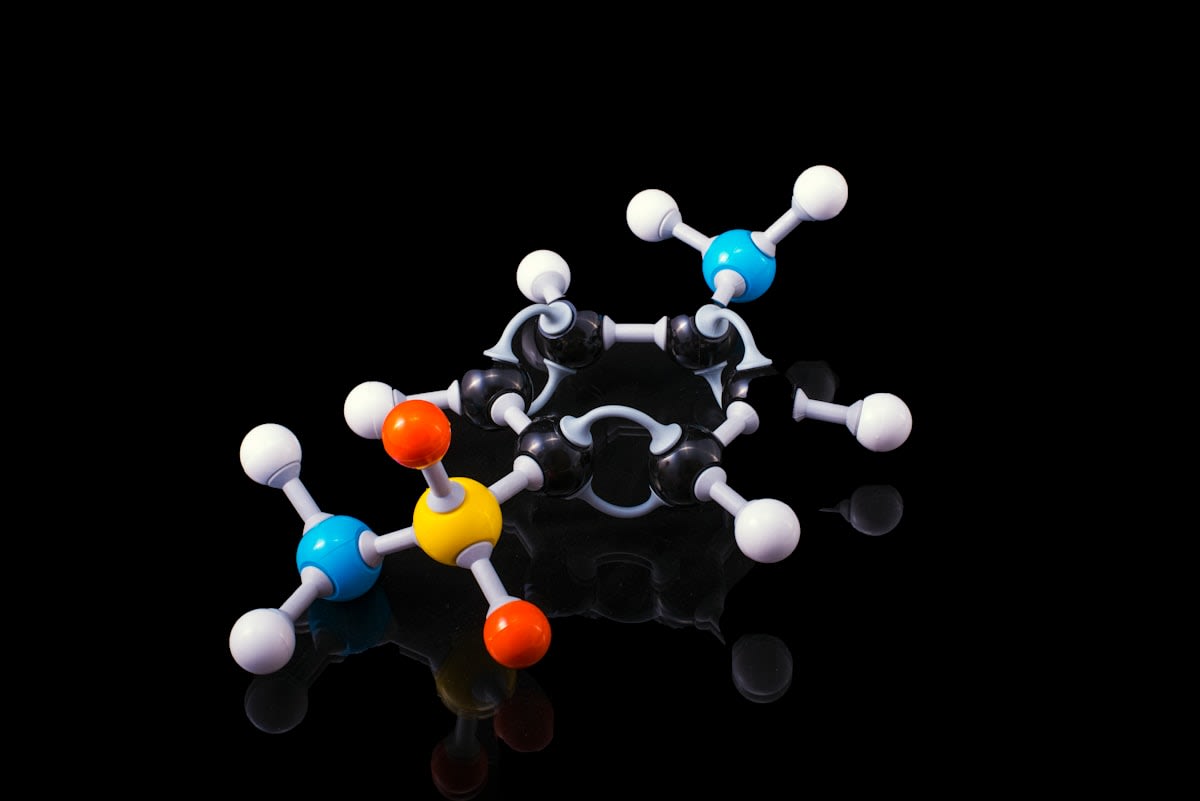
The final stage of calibration involves the use of photopharmacology to maintain the refolded state. The IBEC consortium's development of prosthe6 molecules illustrates the power of reversibly controlling drug activity with light. By mimicking the function of light-sensing photoreceptor cells, these compounds can reactivate retinal circuits without genetic manipulation. This demonstrates that once mitochondrial energy is calibrated and proteins are refolded, light can serve as the external governor for cellular activity.
Synthesis of the necessary labels for this process must avoid harsh chemicals. The University of Bern and ETH Zurich have pioneered a method for synthesizing DNA-barcoded molecules under mild, water-based conditions. Using enzymes as catalysts allows for the creation of over 120 diverse molecules without damaging the barcodes. For the practitioner, this means that the tools used to track protein refolding do not themselves introduce the very stress they are meant to monitor.
| Molecular Trigger | Primary Effect | Calibration Goal | Critical Metric |
|---|---|---|---|
| MTCH2 Suppression | Declined Energy Production | Metabolic Window | Fat/Carb Burn Rate |
| Cyclin B Activation | Nuclear Reprogramming | Cellular Dematuration | G2/M Phase Boundary |
| Compound 1 -> 2 | Redox Shift | Homeostasis Restoration | 97% Conversion/10min |
| Prosthe6 Molecules | Circuit Reactivation | Functional Recovery | Light-switch Reversibility |
Common Pitfalls in Energy Calibration
A frequent error is the failure to synchronize MTCH2 suppression with redox restoration. If energy production is declined without the simultaneous activation of MetO reductases, the cell enters an irreversible apoptotic pathway rather than a refolding state. The timing of the white light irradiation (3.0 mW/cm2) must be exact; premature oxidation of nanoassemblies can lead to premature cellular stress, closing the plasticity window before Cyclin B can trigger dematuration.
Another critical failure point is the reliance on harsh chemical synthesis for DNA barcodes. Many researchers use organic solvents that denature the very proteins they are attempting to refold. Shifting to the water-based, enzyme-catalyzed methods developed at ETH Zurich is not optional—it is a requirement for maintaining the structural integrity of the labels during the G2/M phase transition.
Finally, ignoring the G2/M phase boundary leads to an 'intermediate state' of plasticity that never resolves into full reprogramming. Practitioners often mistake a temporary increase in calcium flux for actual nuclear reprogramming. Without verifying the presence and activity of Cyclin B, the behavioral or functional improvements observed in the lab will fail to translate to human-relevant models.