"Illegal Detention": Sonam Wangchuk's Wife Seeks Urgent High Court Hearing
Source Entity
NDTV News Search Records Found 1000
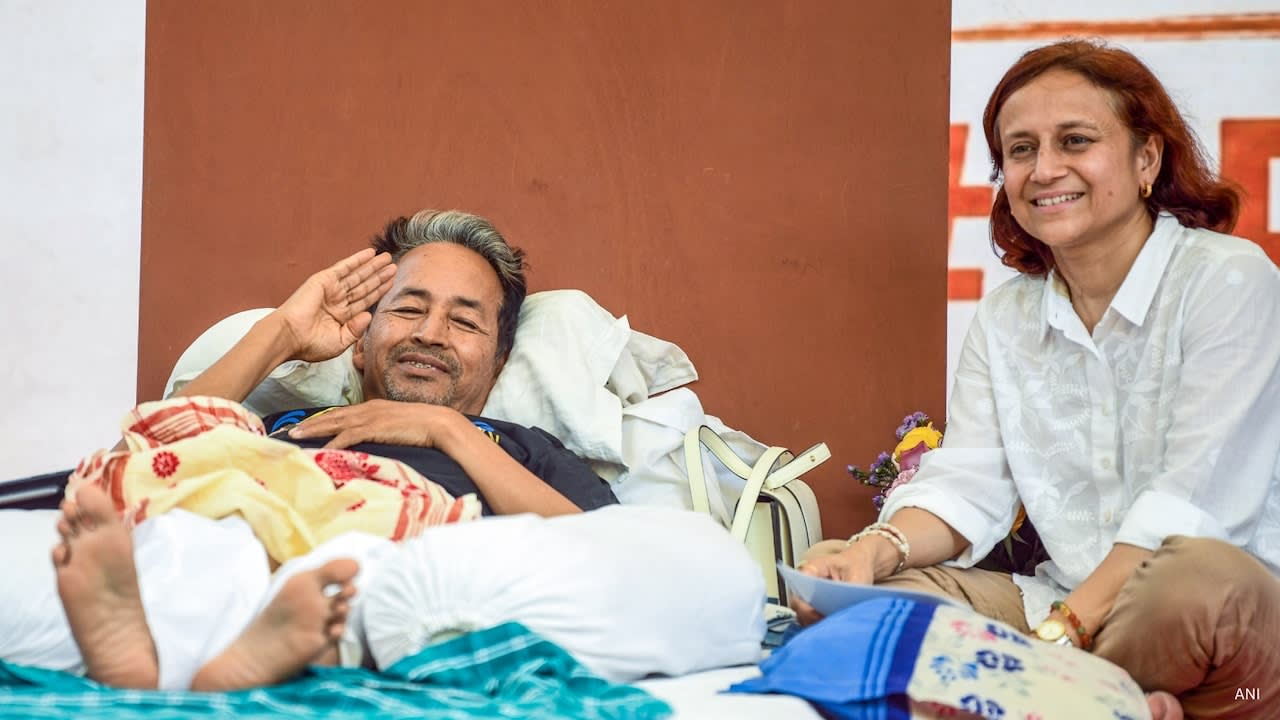
Climate activist Sonam Wangchuk has been shifted to Safdarjung Hospital following a 21-day hunger strike. His family has demanded medical transparency, while tensions persist following allegations of police action at the Jantar Mantar protest site.
The Hospitalization of Sonam Wangchuk: A Crisis Point
On July 18, 2026, the ongoing protest led by climate activist Sonam Wangchuk reached a critical juncture when Delhi Police relocated him to Safdarjung Hospital. Wangchuk, who had been engaged in an indefinite hunger strike for over 20 days, was moved under orders from the Delhi High Court and upon medical advice citing his deteriorating health. This transition marks a significant escalation in a movement that has garnered national attention for its persistence and the unique circumstances surrounding its origin.
Medical Status and Family Concerns
Following the transfer, reports confirmed that Wangchuk remains conscious and his vitals are currently stable. However, the situation remains sensitive; his wife, Gitanjali J. Angmo, has issued a public directive insisting that no medical procedures, oral or intravenous, be performed without the explicit consent of his family and personal medical team. This demand highlights the deep distrust and high stakes inherent in the current standoff between the protesters and state authorities.
The Role of Civil Unrest and Political Satire
The protest, which has seen significant activity at the Jantar Mantar site, has been marked by accusations of heavy-handedness. The Cockroach Janta Party, a group linked to the movement, has alleged that Delhi Police engaged in lathi-charging students at the site, an accusation that mirrors the intensity of the broader struggle. The evolution of this movement from a social media-driven satire into a large-scale physical protest underscores the changing landscape of political dissent in India, where digital platforms are increasingly being used to mobilize tangible, long-term civil disobedience.
Legal and Administrative Context
The intervention of the Delhi High Court and the subsequent involvement of the DCP’s office reflect the state's attempt to balance public order with the humanitarian needs of the activist. By characterizing the shift to Safdarjung Hospital as a requirement for 'essential medical care,' the administration is attempting to de-escalate a potential tragedy while maintaining legal compliance. Nevertheless, the detention of other figures, such as Abhijeet Dipke, suggests a multi-front approach by authorities to manage the protest's influence.
Broader Implications for Activism
Sonam Wangchuk’s 21-day fast is a testament to the endurance of grassroots movements in the face of institutional pressure. The transformation of this protest from a satirical critique into a serious hunger strike highlights how activists are leveraging high-visibility tactics to force government engagement. As the situation develops, the focus will likely shift from the streets to the corridors of power, where the core demands of the protest will face renewed scrutiny.
Future Trends in Civil Protest
Looking ahead, this incident serves as a bellwether for how future protests may be handled in urban centers. The combination of medical intervention, legal mandates, and social media advocacy creates a complex environment for both protesters and the police. If the government fails to address the underlying issues that prompted Wangchuk’s fast, it is likely that the movement will continue to evolve, potentially drawing in broader segments of the population who are increasingly sympathetic to such high-stakes demonstrations of conviction.
Multiple Citing Sources
Verification Required?