Nine feared dead as torrential rains trigger landslides in Nagaland town
Source Entity
Latest News: Today's Latest News Headlines from India & World | Hindustan Times | Hindustan Times
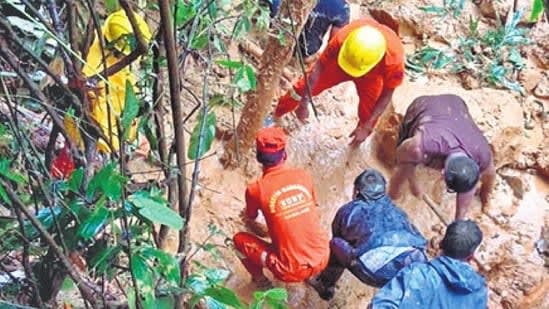
At least nine people are feared dead following devastating landslides in Mon, Nagaland, which destroyed 45 homes. Rescue operations are currently underway as teams search for four individuals still missing beneath the debris.
Tragedy Strikes Mon: Landslides Devastate Nagaland Town
A catastrophic series of landslides struck Mon town in Nagaland on Sunday, leaving a trail of destruction and heartbreak. The natural disaster, which unfolded between the hours of 6 am and 2 pm, has resulted in the tragic loss of at least nine lives, according to local authorities. As rescue teams continue their arduous work, the town grapples with the immediate aftermath of this sudden geological instability.
The Scope of Destruction
Deputy Commissioner Wennyei Konyak confirmed the severity of the situation, noting that at least 45 houses were completely destroyed across multiple locations in the town. The rapid progression of the landslides caught residents off guard, transforming residential areas into scenes of wreckage. The destruction of such a significant number of homes in a matter of hours underscores the vulnerability of the region's infrastructure to extreme weather events.
Ongoing Search and Rescue Operations
As of the latest reports, search and rescue teams have successfully recovered five bodies from the wreckage. However, the mission remains critical as four individuals are still unaccounted for and believed to be trapped beneath the debris. The efforts are being coordinated by local administration and emergency responders who are working against time and treacherous terrain to locate the missing persons.
Environmental and Geographical Context
Nagaland, situated in the hilly terrain of Northeast India, is frequently susceptible to landslides, particularly during periods of torrential rainfall. The saturation of soil in such high-altitude regions often leads to slope failure, especially in areas where human settlement has expanded. The events in Mon serve as a stark reminder of the persistent environmental risks faced by communities living in mountainous regions, where geography and climate patterns often intersect with devastating consequences.
Broader Implications and Future Resilience
This tragedy highlights the urgent need for robust disaster management strategies and improved early warning systems in the Northeast. As climate patterns become increasingly unpredictable, the intensity of monsoon rains poses a growing threat to regional safety. Moving forward, authorities will likely need to focus on land-use planning, reinforcing slope stability, and enhancing community preparedness to mitigate the impact of future geological disasters.
Conclusion
While the town of Mon begins to mourn the loss of its citizens, the priority remains the recovery of those still missing. The resilience of the local community will be tested in the coming weeks as they begin the process of rebuilding. This event serves as a somber call to action for stakeholders to address the underlying vulnerabilities that lead to such tragic outcomes in the face of nature’s volatility.
Verification Required?