Stray dogs ‘attack’ 4-year-old girl in Noida, RWA ordered to pay Rs 1 lakh for injuries
Source Entity
Ashish Shaji
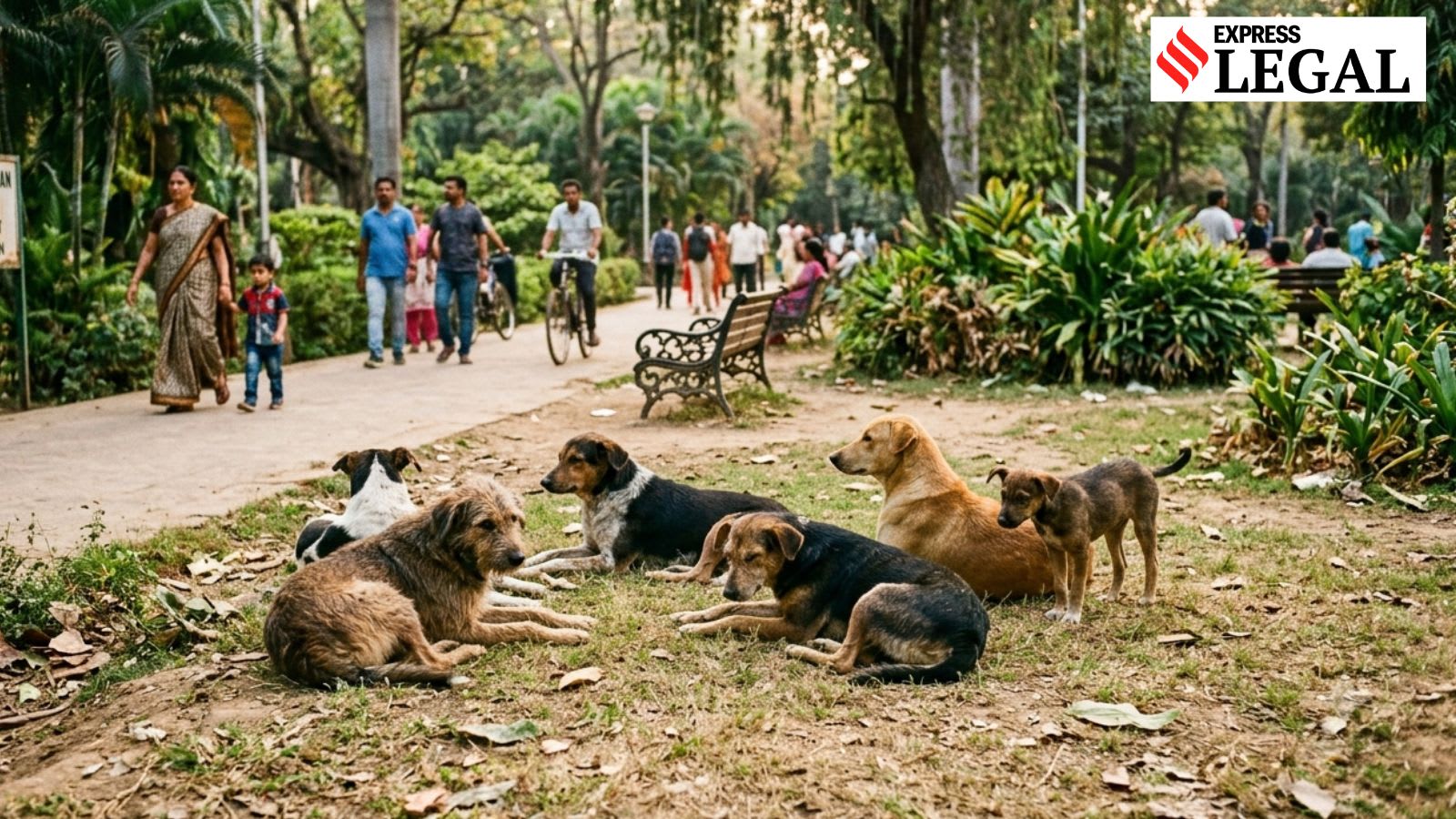
The Gautam Budh Nagar District Consumer Commission has ordered a Noida RWA to pay Rs 1 lakh in compensation following a stray dog attack on a four-year-old child. The ruling identifies the RWA's failure to manage the local dog menace as a deficiency of service.
Legal Precedent in Residential Safety
The recent directive by the Gautam Budh Nagar District Consumer Disputes Redressal Commission marks a significant shift in how residential housing societies in India are held accountable for public safety. By ordering the Kendriya Vihar-II Resident Welfare Association (RWA) to pay Rs 1 lakh in compensation for a dog attack on a four-year-old girl, the commission has effectively categorized the failure to manage stray animals within a gated community as a 'deficiency of service.' This ruling underscores the legal responsibility of RWAs to maintain a secure environment for their residents.
Defining RWA Liability
The commission, led by President Anil Kumar Pundir and member Anju Sharma, meticulously examined the evidence regarding the 'persistent dog menace' within the society. Their decision highlights that RWAs are not merely administrative bodies for maintenance collection but are duty-bound to ensure the physical well-being of inhabitants. By holding the association liable for the mental agony, physical injury, and harassment suffered by the victim's family, the commission has set a clear expectation that negligence regarding common area safety will carry financial consequences.
The Growing Conflict of Urban Spaces
This incident is symptomatic of a broader, intensifying conflict in urban Indian centers where the presence of stray animal populations clashes with the needs of dense residential developments. As cities like Noida continue to expand, the management of stray dogs—often fueled by conflicting views on animal welfare and human safety—has become a flashpoint for resident frustration. This case serves as a judicial intervention that places the onus of conflict resolution and safety enforcement squarely on the governing bodies of housing societies.
Economic and Administrative Implications
Beyond the individual compensation of Rs 1 lakh and the additional Rs 5,000 in legal costs, this order will likely force other RWAs across the National Capital Region (NCR) to reassess their liability insurance and safety protocols. Associations may now be compelled to implement stricter animal control measures, such as designated feeding zones, sterilization drives, or improved perimeter security, to avoid similar litigation. The financial burden of such incidents is now a tangible risk that management committees can no longer ignore.
Future Trends in Consumer Protection
Looking forward, this ruling signals a more proactive approach by consumer courts in addressing issues related to residential security. As residents become increasingly aware of their rights as 'consumers' of housing services, we can expect a rise in litigation involving maintenance failures, including security lapses and infrastructure neglect. This case likely serves as a blueprint for future grievances, suggesting that courts are becoming more willing to penalize administrative inaction that results in direct harm to residents.
Conclusion
The decision in the Kendriya Vihar-II case is a vital reminder of the duty of care owed by housing associations to their members. By linking the 'dog menace' to a formal deficiency of service, the commission has provided a mechanism for residents to seek redress when their safety is compromised. While the debate regarding stray animal management remains complex, this judicial precedent clarifies that the cost of inaction is one that RWAs must be prepared to bear.