Over 20 workers feared trapped inside under-construction tunnel after landslide in Sikkim
Source Entity
The Indian Express
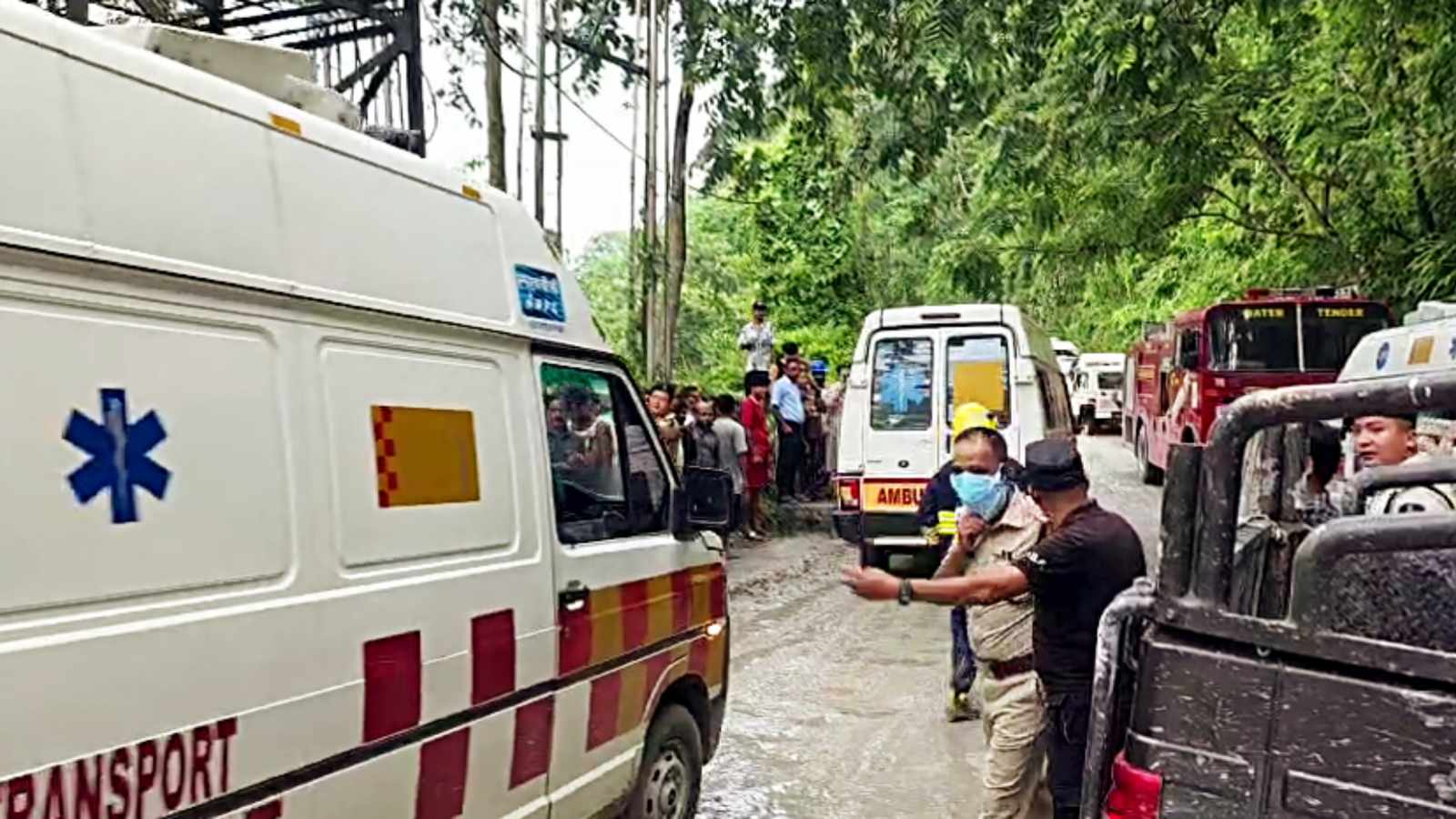
A landslide at the Teesta Stage VI hydroelectric project in Sikkim's Namchi district has trapped approximately 27 workers inside the Samardung tunnel. Rescue efforts by NDRF and SDRF teams are currently hindered by a hazardous gas leak and unstable site conditions.
Crisis at the Samardung Tunnel: A Multi-Layered Disaster
A major industrial and natural disaster is unfolding in the Namchi district of Sikkim, where an under-construction tunnel, part of the National Hydroelectric Power Corporation’s (NHPC) Teesta Stage VI project, has become a site of significant peril. Following a landslide on Monday afternoon, an estimated 27 workers remain trapped inside the Samardung tunnel. While initial reports suggested a lower number, current administrative assessments indicate that the workforce inside the facility at the time of the collapse was substantial, with only 16 of the original 43 workers managing to escape the initial obstruction.
The Complexity of the Rescue Operation
The rescue mission, involving the National Disaster Response Force (NDRF), State Disaster Response Force (SDRF), and local emergency services, is facing unprecedented challenges. The situation has been exacerbated by a suspected gas leak, which officials believe is emanating from underground strata disturbed by the shifting earth. This toxic environment has severely hampered progress, with rescue personnel reportedly suffering from dizziness and loss of consciousness, forcing them to rely on specialized gas masks to attempt entry.
Infrastructure and Geological Risks
This incident highlights the inherent dangers associated with massive infrastructure projects in the fragile Himalayan ecosystem. The Teesta Stage VI project, a critical component of India’s hydroelectric energy expansion, is located in a region prone to seismic activity and slope instability. The fact that three consecutive rescue attempts have failed underscores the structural instability of the tunnel entrance and the unpredictable nature of the geological formations surrounding the Samardung site.
Human Impact and Administrative Response
The uncertainty surrounding the condition of the trapped workers has placed immense pressure on the Namchi district administration. District Collector Anupa Tamling has confirmed that the exact status of the trapped individuals remains unknown, as the gas leak and debris continue to act as impenetrable barriers. With ambulances and fire tenders stationed at the site, the state is treating the situation as a high-priority emergency, yet the window for a successful extraction is narrowing as the hours pass.
Future Implications for Himalayan Engineering
This disaster serves as a sobering reminder of the risks involved in large-scale tunneling in mountainous regions. Moving forward, authorities will likely face intense scrutiny regarding the safety protocols and geological survey standards applied to the Teesta Stage VI project. Future trends in regional construction will undoubtedly necessitate more robust early-warning systems for gas leaks and seismic-resistant tunnel reinforcements to prevent similar tragedies in this high-altitude, geologically volatile landscape.
Multiple Citing Sources