Zomato, Swiggy orders pour in for CJP protestors as strangers send meals to Delhi
Source Entity
Latest News: Today's Latest News Headlines from India & World | Hindustan Times | Hindustan Times
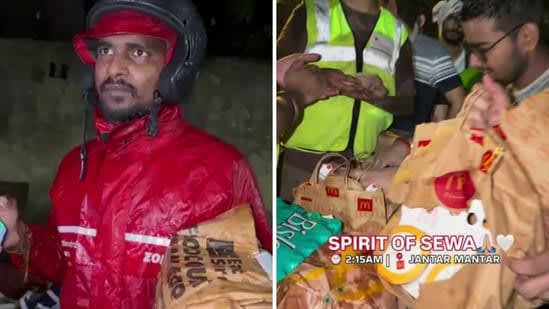
Protestors demonstrating against the NEET-UG 2026 paper leak at Jantar Mantar received widespread support as strangers across India ordered food for them via delivery apps. Viral videos highlighting this act of digital solidarity have captured national attention.
Digital Solidarity: Food Deliveries Fuel NEET-UG 2026 Protests
A New Era of Protest Support
In a remarkable demonstration of digital-age solidarity, the ongoing protests by the Cockroach Janta Party (CJP) regarding the NEET-UG 2026 paper leak have taken on a unique character. As demonstrators gathered at Jantar Mantar in Delhi to voice their grievances against the examination irregularities, they were met with an unexpected surge of support. Strangers from across the country, utilizing platforms like Zomato and Swiggy, began placing food orders destined for the protest site, turning the act of remote sustenance into a powerful symbol of national unity.
The Logistics of Kindness
The logistical bridge between concerned citizens across India and the students in Delhi highlights the transformative power of modern delivery infrastructure. By leveraging geolocation features and digital payment gateways, these benefactors bypassed physical distance to ensure protestors remained fueled during their demonstration. One particularly poignant instance involved a Zomato delivery partner braving inclement weather to deliver a meal ordered by a resident of Mumbai, effectively connecting two ends of the country through a single act of service.
Viral Moments and Public Perception
This phenomenon has been propelled by viral social media content, which serves as both documentation and catalyst for further support. When videos of delivery partners navigating the protest site in raincoats and helmets circulated online, they humanized the political struggle. These visuals not only validated the protestors' cause but also showcased the delivery workers as essential, if unwitting, participants in the socio-political discourse of the nation.
Broader Implications for Activism
This trend signals a shift in how civil movements are sustained in the 21st century. The use of commercial delivery platforms for humanitarian aid during protests marks a departure from traditional, localized support structures. It suggests that future social movements in India may increasingly rely on digital ecosystems to maintain momentum, allowing for a distributed support network that is resilient against geographical limitations and organizational constraints.
Challenges and Future Trends
The intersection of food delivery services and political protest raises interesting questions regarding the neutrality of service providers and the safety of delivery personnel in high-tension areas. As these platforms become conduits for social activism, companies may need to navigate the complexities of managing delivery routes in protest-heavy zones. Looking ahead, this trend is likely to influence how organizers plan logistics, perhaps even incorporating 'digital supply lines' as a standard component of protest management.
Conclusion
The outpouring of support for the NEET-UG 2026 protestors via food delivery apps is a testament to the evolving nature of public engagement in India. By turning the simple act of ordering a meal into a political statement, citizens have found a novel way to participate in the democratic process. This event serves as a microcosm of a larger trend where technology empowers individuals to cross physical boundaries to stand in solidarity with causes they deem important.
Verification Required?