Assam flood: Situation eases, death toll rises to 11
Source Entity
India Latest News: Top National Headlines Today & Breaking News | The Hindu
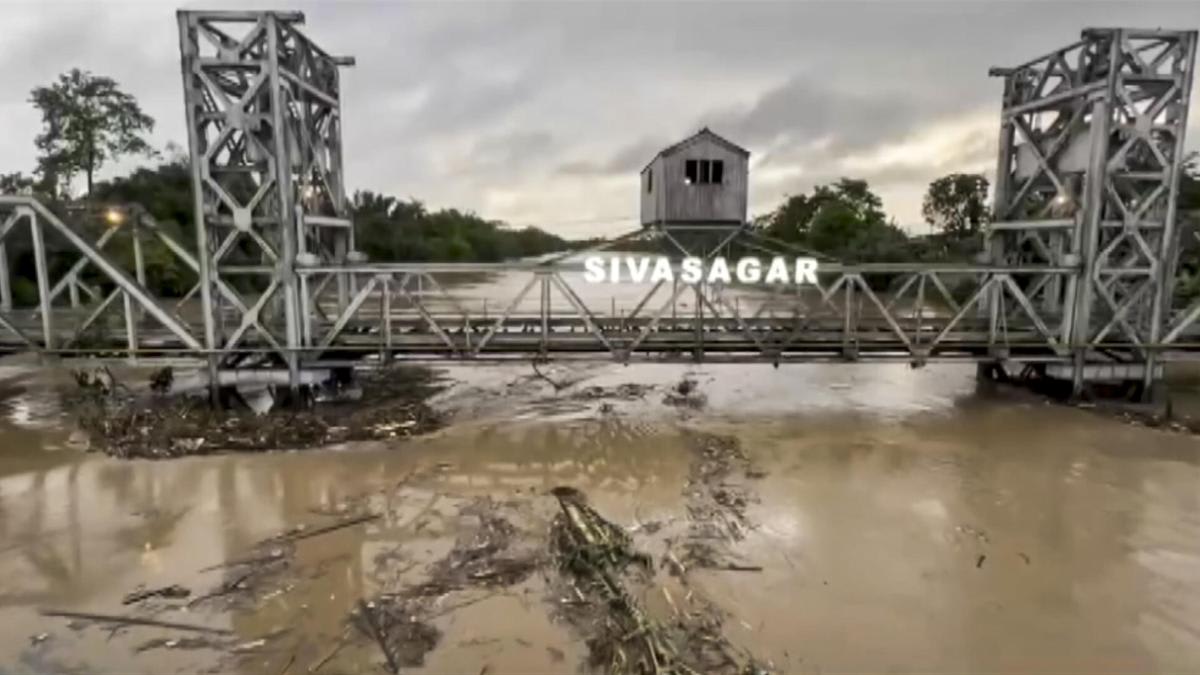
Assam's flood situation is showing signs of improvement, with the number of affected districts dropping to 11. Despite this, the death toll has risen to 11, and relief operations remain active across the state.
Assam Flood Crisis: A Gradual Improvement Amidst Rising Toll
As of July 21, 2026, the flood situation in Assam has witnessed a marginal improvement, though the human cost of the disaster continues to mount. According to the Assam State Disaster Management Authority (ASDMA), the number of affected districts has decreased from 16 to 11, and the total population impacted has dropped to approximately 3.11 lakh. Despite these positive trends in receding water levels, the tragedy of the situation is underscored by a recent fatality in the Charaideo district, bringing the total death toll to 11 within the last month.
The Human Impact and Relief Efforts
The logistical response to this annual environmental challenge remains robust. Authorities have established 52 relief camps providing shelter to over 12,700 displaced residents. Furthermore, emergency response teams have successfully evacuated over 9,000 individuals using specialized boat services, highlighting the critical nature of maritime rescue in waterlogged terrains. These efforts are part of broader, ongoing mobilization strategies, including the Indian Army’s 'Operation Jal Rahat,' which has been instrumental in rescuing hundreds of citizens trapped by rising waters.
Geographical Focus and Vulnerability
The districts of Sivasagar, Charaideo, and Jorhat remain the most severely impacted regions. The persistent flooding in these areas indicates a complex interaction between local topography and the state's intricate riverine network. The inclusion of urban flooding in Guwahati—specifically in areas like Satgaon and Sawkuc—signals that the threat is not limited to rural or low-lying agricultural zones, but also poses significant challenges to urban infrastructure and drainage systems.
Historical Context of Assam Floods
Assam’s vulnerability to flooding is a perennial issue, rooted in its geography and the monsoon-fed nature of the Brahmaputra River system. Every year, during the monsoon season, the state faces significant displacement and loss of life. The current events of July 2026 mirror historical patterns where the state experiences massive influxes of water that overwhelm existing flood control mechanisms, necessitating rapid coordination between state disaster agencies and military units.
Future Trends and Resilience
Looking ahead, the transition from crisis management to long-term resilience is essential. While the current easing of the flood situation provides a brief respite for recovery, the recurrence of these events suggests that infrastructure, such as embankments and urban drainage, will require further upgrades. The integration of real-time data from the ASDMA with proactive evacuation protocols, such as 'Operation Jal Rahat,' serves as a blueprint for minimizing casualties in future monsoon cycles. The focus remains on stabilizing affected districts and ensuring the safety of those sheltered in relief camps as the state transitions into the next phase of the monsoon season.
Multiple Citing Sources
Verification Required?