Wangchuk shifted from Safdarjung Hospital to Medanta in Gurugram after Delhi HC order
Source Entity
India Latest News: Top National Headlines Today & Breaking News | The Hindu
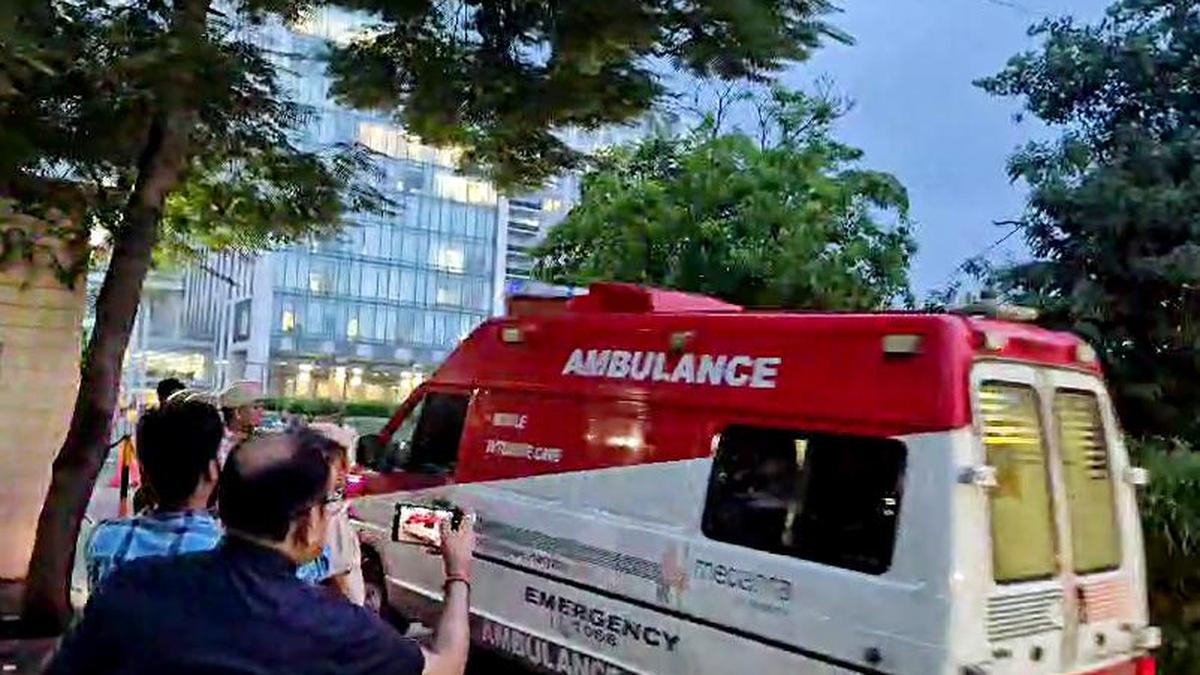
A protest march in Delhi led by the CJP demanding the resignation of Education Minister Dharmendra Pradhan escalated into violence, resulting in injuries to over 118 police personnel and numerous protesters. Amid the chaos, activist Sonam Wangchuk was removed from the site by authorities and shifted to Safdarjung Hospital.
Turmoil at the Capital: Analyzing the CJP-Led Parliament March
The Escalation of Civil Unrest
The recent protest march organized by the CJP in the heart of Delhi, aimed at demanding the resignation of Education Minister Dharmendra Pradhan, reached a boiling point on Monday. What began as a demonstration of dissent transformed into a scene of chaotic confrontation on Parliament Street. As protesters marched, the atmosphere shifted rapidly from slogans to the sound of sirens and the stinging haze of teargas, forcing many participants to seek emergency refuge within the walls of Gurdwara Bangla Sahib.
Conflicting Accounts of the Conflict
Reports from the ground indicate a stark polarization in the narrative of the day's events. Delhi Police have officially stated that the violence originated from protesters who allegedly engaged in the vandalization of government property, the destruction of vehicles, and the hurling of stones at officers. According to official figures, the scale of the confrontation was significant, with over 118 police personnel, including senior officers, sustaining injuries while attempting to manage the crowd and enforce prohibitory orders.
The Human Impact and Displacement
Conversely, the perspective from the protesters highlights a harrowing experience of state intervention. Families and activists reported being subjected to a heavy-handed lathi-charge, leading to widespread injuries among the demonstrators. The image of a mother breaking down, lamenting the impact on the country's youth, underscores the emotional weight of the event. The sight of hundreds of protesters fleeing into the gurdwara, clutching handkerchiefs to protect themselves from chemical irritants, illustrates the desperation of those who felt their right to protest was being violently curtailed.
The Removal of Sonam Wangchuk
Central to the day's proceedings was the presence and subsequent removal of activist Sonam Wangchuk. His role as a focal point for the protesters was underscored by placards reading "We are with Sonam Wangchuk." The decision by the Delhi Police to shift him to Safdarjung Hospital marks a critical development in the narrative, effectively removing the primary figurehead from the immediate protest site and potentially diffusing or redirecting the intensity of the gathering.
Broader Implications for Democratic Dissent
This event serves as a stark reminder of the fragile balance between the right to peaceful assembly and the maintenance of public order in India’s capital. The scale of the injuries on both sides—60 protesters and 118 police—points to a failure of communication and a breakdown in crowd management protocols. As the administration faces demands for the resignation of key cabinet members, the government's response to such protests will likely set a precedent for how political grievances are handled in the future.
Future Trends and Conclusion
Looking ahead, the fallout from this march is likely to intensify the discourse surrounding educational policy and the government's accountability. The heavy deployment of security forces and the use of section 144-style prohibitory orders suggest that the authorities are taking a firm stance against mass mobilizations near the Parliament. As the legal and social repercussions of the injuries and detentions unfold, the nation remains divided on whether this event represents a necessary enforcement of law or a suppression of legitimate democratic expression.
Multiple Citing Sources
Verification Required?