The End of the Passive Landlord
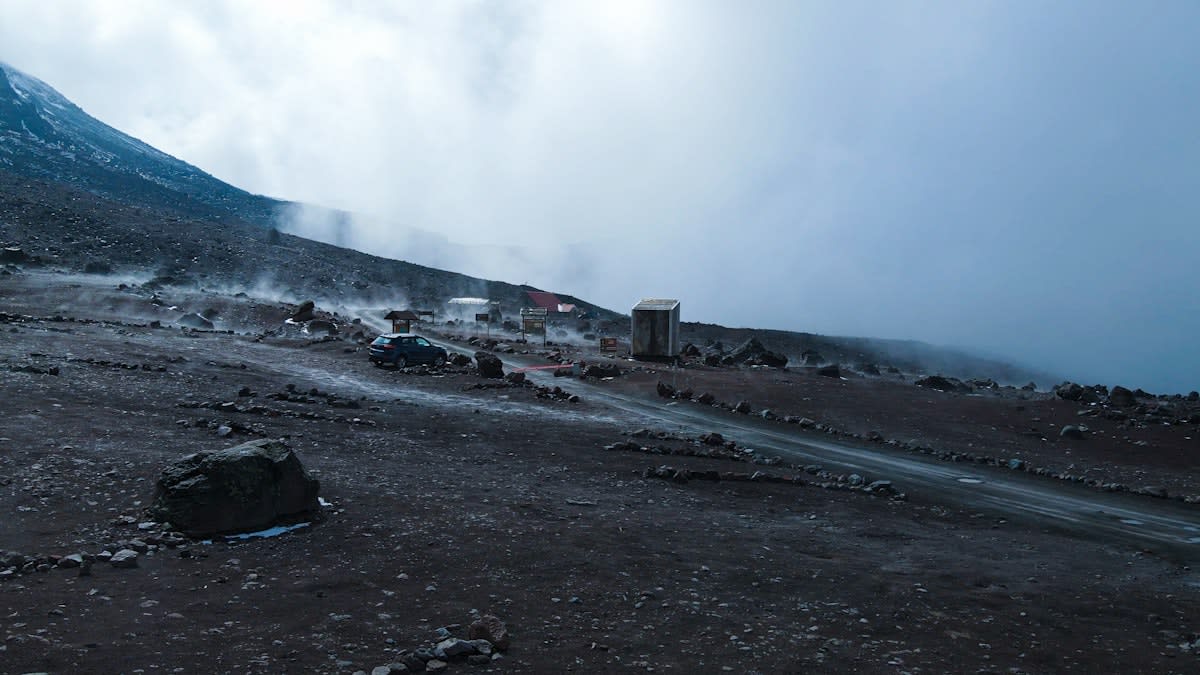
The era of the passive landlord is over. For decades, resource-rich nations played the role of the extraction site, digging holes and shipping raw ore to distant shores where the real value was captured through refining and manufacturing. That dynamic has shattered. Now, the owners of the dirt are demanding a seat at the high table of industrialization, transforming their geological luck into long-term economic leverage. This is not a temporary spike in protectionism but a structural pivot in how the world trades the building blocks of the future.
This month, the trend has accelerated from tentative policy discussions to hard mandates. We are seeing the rise of the Resource Fortress, a strategy where nations leverage their monopoly on critical minerals—lithium, nickel, cobalt, and rare earths—to force foreign investment into domestic infrastructure. The goal is no longer just to collect royalties on exports but to capture the entire value chain. Why settle for the price of raw ore when you can command the price of a battery precursor?
"The global south is no longer content to be the quarry for the north's green revolution. The new trade currency is not just the mineral itself, but the technology required to process it locally."— Lead Industry Analyst, Global Commodities Group
Look at Southeast Asia, specifically Indonesia. By banning the export of raw nickel ore, Jakarta didn't just disrupt the market; it forced the world's largest stainless steel and battery producers to build smelters on Indonesian soil. This aggressive downstreaming strategy has turned a raw material exporter into a burgeoning hub for EV battery components. It is a masterclass in using scarcity to dictate the terms of foreign direct investment.
| Metric | Old Trade Model (Pre-2023) | The Resource Fortress Model (Current) |
|---|---|---|
| Primary Export | Raw Ore/Concentrate | Processed Precursors/Refined Metals |
| Value Capture | Low (Extraction Only) | High (Industrialization) |
| Investment Focus | Mining Equipment | Refineries & Smelters |
| Trade Logic | Comparative Advantage | Strategic Sovereignty |
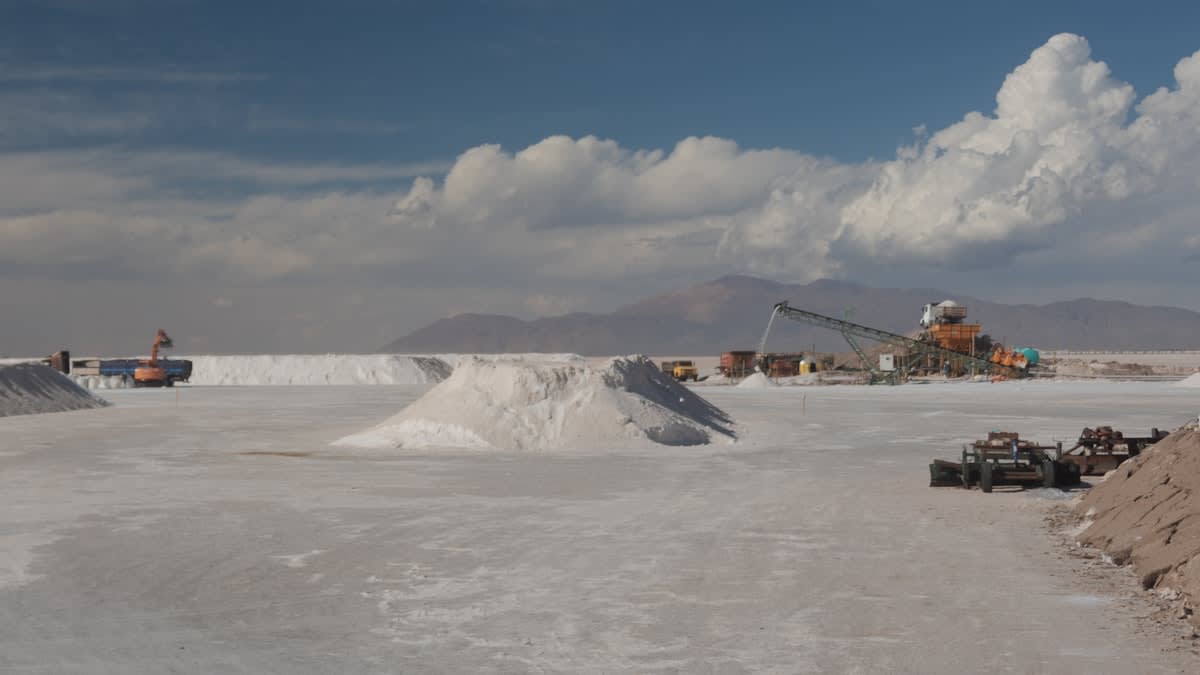
The shift is equally palpable in the Lithium Triangle of South America. Chile and Bolivia are moving away from simple concession models toward state-led partnerships. Chile's national lithium strategy seeks to ensure that the state maintains a majority stake in strategic projects, effectively ending the era of unfettered private extraction. They are betting that the world's hunger for lithium is so intense that companies will accept state control in exchange for guaranteed access to the reserves.
Africa is joining this chorus of sovereignty with increasing volume. Zimbabwe's ban on raw lithium exports serves as a clear signal: the continent will no longer be a mere source of raw inputs. By demanding that lithium be processed into concentrates or batteries domestically, these nations are attempting to break a century-old cycle of colonial-era economic patterns. It is a high-stakes gamble on their own ability to build technical capacity rapidly.
When we compare the current climate to twelve months ago, the delta is staggering. A year ago, the conversation focused on security of supply—how to get the minerals out of the ground as fast as possible to meet climate targets. Today, the conversation has shifted to technology transfer. Resource nations are now asking, What refinery technology are you bringing? What jobs are you creating for our engineers? The focus has moved from the volume of the shipment to the sophistication of the local industry.
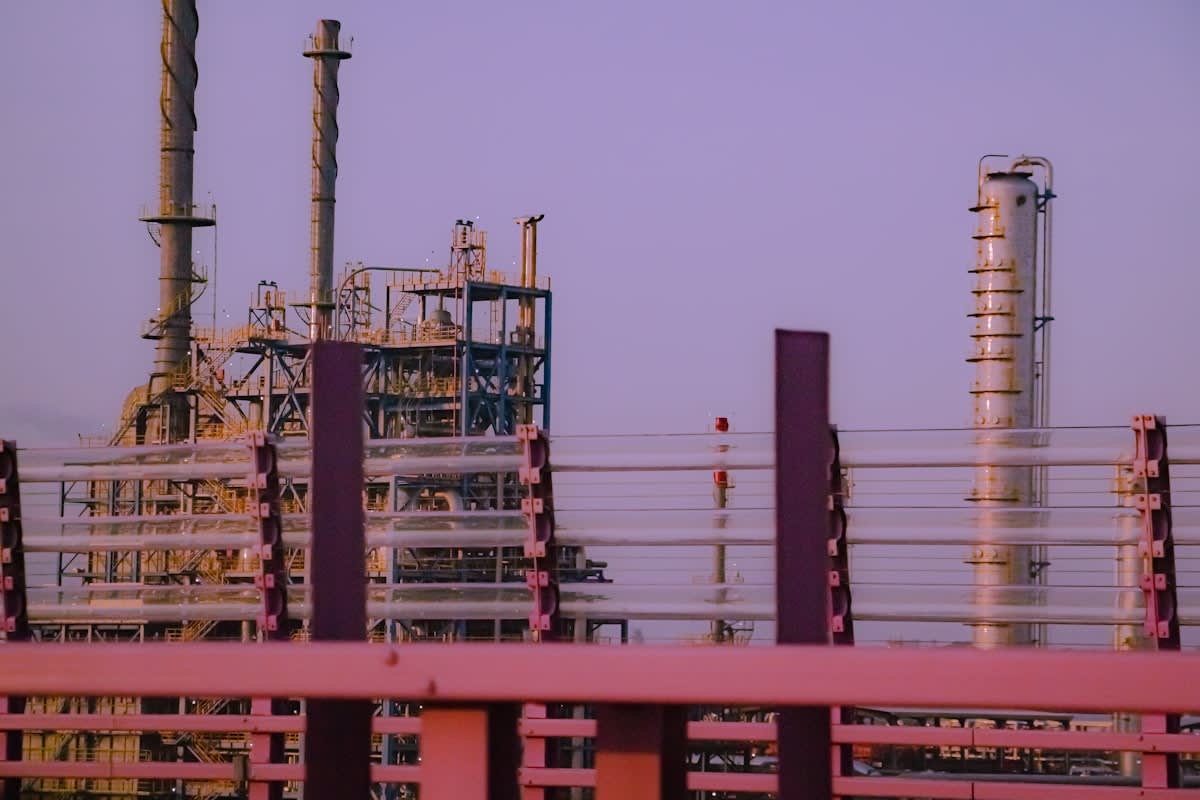
This pivot creates a complex paradox for the energy transition. While the move toward domestic processing creates more resilient, diversified local economies, it introduces short-term volatility into global pricing. The transition from raw ore to refined products takes years of infrastructure build-out. In the interim, we are seeing a mismatch between the immediate demand for batteries and the slower pace of new, localized refinery capacity.
Key Concept: Downstreaming
Downstreaming refers to the process of moving further down the production chain. Instead of exporting raw iron ore, a country builds a steel mill; instead of exporting lithium brine, it builds a battery cathode factory.
Corporate giants are now forced to adapt or lose access. We are seeing a new wave of joint ventures where mining companies are becoming industrial partners. They are no longer just managing mines; they are building cities, funding universities, and constructing power plants to support the refineries their host nations demand. This is a fundamental rewrite of the corporate risk profile in the extractive sector.
The geopolitical ripple effects are profound. As nations like Indonesia and Chile tighten their grip, the traditional dominance of a few processing hubs is being challenged. This fragmentation actually offers a long-term opportunity for resilience. A world where refining is spread across five continents is far less vulnerable to a single point of failure than a world where 80 percent of processing happens in one region.
Does this signal the death of free trade? Not necessarily. It signals the death of an asymmetric trade model that favored the processor over the producer. We are entering an era of negotiated trade, where access to minerals is traded for industrial capability. It is a more balanced, albeit more complex, global arrangement.
The winners of this new era will be the nations that can successfully bridge the gap between owning a resource and mastering its chemistry. Having the lithium is the ticket to the game, but building the refinery is how you win. The current trend suggests that the global south is finally ready to play for the championship, using their geological assets as the ultimate bargaining chip.
As we move forward this month and beyond, expect to see more export bans and more mandatory joint ventures. The Resource Fortress is not a wall intended to shut the world out, but a gate designed to let the world in only on the producer's terms. The rules of the game have changed, and the map of global industrial power is being redrawn in real-time.