US diesel hits record $5.85 a gallon: Why are fuel prices rising?
Source Entity
KANCHAN YADAV
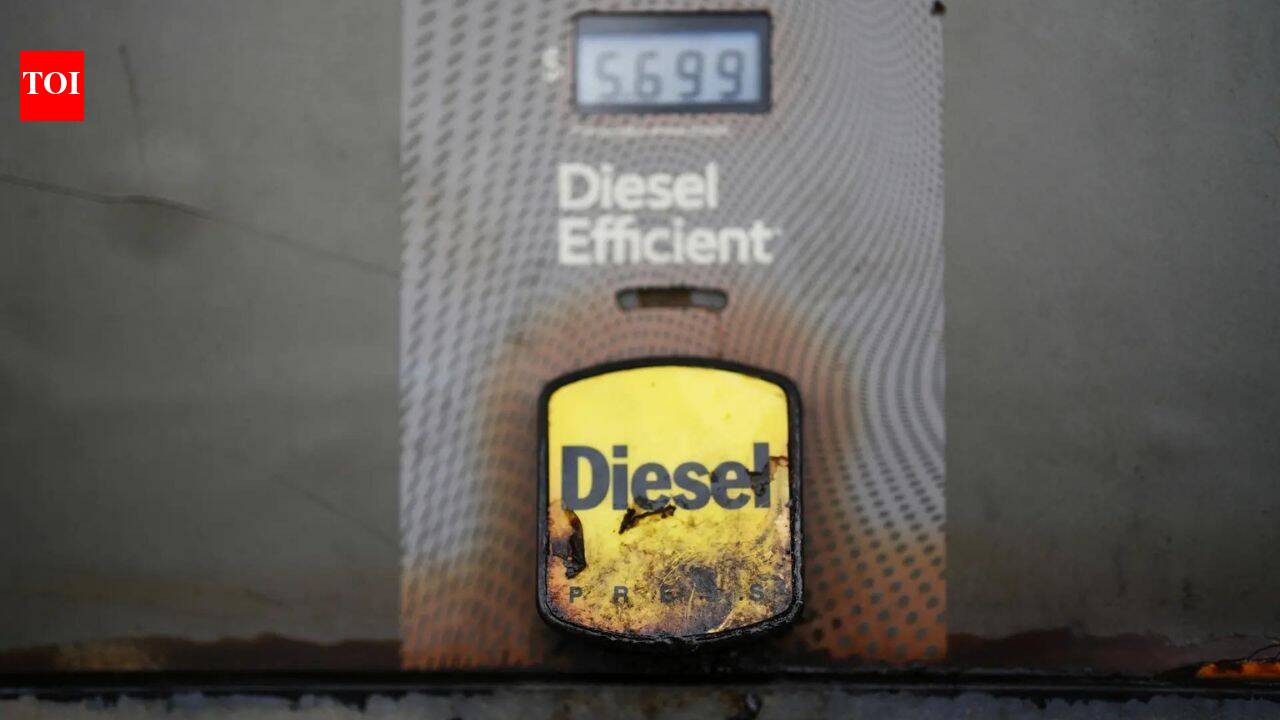
Diesel prices have surged to a record $5.85 per gallon due to global supply disruptions caused by conflicts in Ukraine and Iran. This spike threatens to exacerbate inflation, as increased transportation costs for goods and produce are passed on to consumers.
The Global Diesel Crisis: An Economic Inflection Point
The recent surge in diesel prices to a record $5.85 per gallon marks a critical juncture for the global economy. Unlike gasoline, which is primarily associated with personal vehicle usage, diesel serves as the lifeblood of the industrial world. From the heavy-duty trucks moving goods across the United States to the tractors sustaining agricultural output, diesel is the primary energy input for the global logistics and production chain. The current supply crunch, exacerbated by the compounding effects of the wars in Ukraine and Iran, has created a volatility that threatens to destabilize global supply chains.
The Impact of Geopolitical Instability on Energy Infrastructure
The primary driver of this crisis is the direct assault on refinery infrastructure. In Ukraine, the strategic targeting of Russian refineries has compelled Moscow to implement bans on diesel exports, effectively removing a significant portion of global supply from the market. Simultaneously, the ongoing conflict involving Iran has introduced further uncertainty into global fuel supplies. These geopolitical disruptions have not only reduced the total volume of refined products available but have also created a climate of uncertainty that prevents markets from stabilizing, leading to the current record-high prices.
The Inflationary Ripple Effect
Diesel costs are uniquely embedded in the economy, making them a primary driver of systemic inflation. As noted by industry experts, there is no viable way to circumvent these costs; almost every consumer good, from electronics to perishables, relies on diesel-powered freight to reach its destination. When logistics providers face a 60% year-over-year increase in fuel costs—as seen with the jump from $3.71 to $5.85—these expenses are inevitably passed down to the consumer. This creates a feedback loop where the cost of living rises alongside the cost of transportation.
Regional Disparities and Sectoral Vulnerability
The impact of these price hikes is not distributed evenly. In California, where prices have reached $7.70 per gallon, the burden on the local economy is significantly higher than the national average. Furthermore, the agricultural and grocery sectors are particularly vulnerable. Perishable goods, such as meat and produce, require time-sensitive and frequent transportation, making them highly sensitive to fuel price fluctuations. Farmers, already operating on thin margins, are finding their production costs climbing, which will likely result in higher grocery bills for households nationwide.
Future Outlook: A Sustained Challenge
Looking ahead, the combination of low inventories and ongoing international conflict suggests that these elevated prices may persist. While refiners are attempting to increase output to meet demand, the structural constraints caused by the loss of refinery capacity are difficult to overcome in the short term. As businesses continue to implement delivery fees and surcharges to offset their overhead, the broader economy faces a period of sustained inflationary pressure. Policy makers and industry leaders will need to navigate this supply-constrained environment carefully to prevent further economic erosion.