China's Xi keeps Iranian president at arm's length weeks ahead of Trump summit
Source Entity
US Top News and Analysis
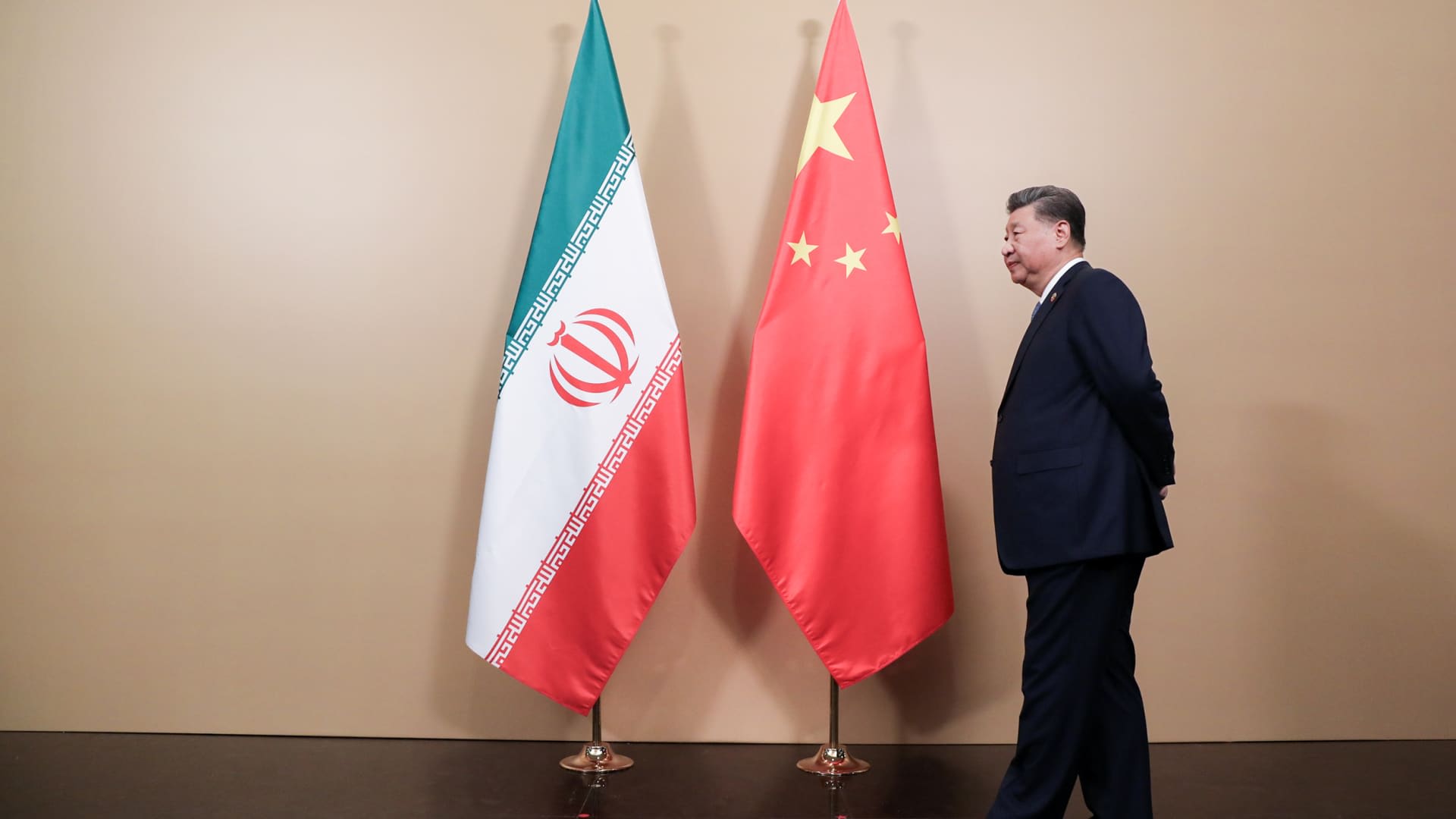
President Xi Jinping held a brief, low-profile meeting with Iranian President Masoud Pezeshkian at a regional summit in Kazan. This calculated distance reflects Beijing's desire to stabilize relations with the U.S. ahead of a high-stakes summit with Donald Trump.
Strategic Calibration: Xi’s Measured Approach to Tehran
Recent reports from the BRICS summit in Kazan, Russia, highlight a significant shift in diplomatic optics between Beijing and Tehran. President Xi Jinping’s decision to grant Iranian President Masoud Pezeshkian only a brief, low-profile audience signals a deliberate attempt by China to manage its international image. By minimizing public displays of alignment with Iran, Beijing is likely attempting to mitigate geopolitical friction as it prepares for high-stakes engagement with the United States.
The Context of the Kazan Summit
The meeting, which occurred on the sidelines of the 16th BRICS summit on October 23, 2024, brought together key global players, including Russian President Vladimir Putin and Indian Prime Minister Narendra Modi. While the summit itself is designed to bolster multilateral cooperation among the bloc's ten members, the brevity of the Xi-Pezeshkian interaction suggests that China is prioritizing its broader strategic interests over deepening its bilateral partnership with Iran at this specific juncture.
Navigating U.S.-China Relations
Beijing’s cautious posture is primarily driven by the upcoming summit with Donald Trump. As China seeks to stabilize its economic and diplomatic relationship with Washington, appearing too closely tethered to Tehran—a primary target of U.S. sanctions—could complicate negotiations. By keeping the Iranian leadership at arm’s length, Xi is effectively signaling to the U.S. administration that China intends to act as a moderating force rather than a disruptive partner in global security architecture.
Historical Precedents and Diplomatic Balancing
Historically, China has maintained a delicate balancing act in the Middle East, seeking to secure energy supplies from Iran while avoiding direct confrontation with Western powers. This recent development underscores the volatility of that strategy. As regional security dynamics shift within the Shanghai Cooperation Organization (SCO) and BRICS, China is increasingly forced to choose between its role as an alternative to the Western-led order and its necessity to maintain access to global markets dominated by the U.S. dollar and Western trade policies.
Future Trends and Geopolitical Implications
Looking ahead, it is likely that China will continue this trend of 'soft-pedaling' its support for Iran until the U.S.-China summit concludes. If Beijing secures favorable trade terms or a cooling of tensions with Washington, it may feel empowered to re-engage with Tehran more robustly. However, if the upcoming summit with Trump proves unproductive, China may revert to strengthening its ties with the 'Global South' and Iran as a hedge against Western isolation. Ultimately, the Kazan meeting serves as a clear indicator that China’s foreign policy remains strictly anchored in pragmatic, national-interest-driven calculations.