Beach view, Venice and a GDP dig: Opposition takes swipe at Centre over waterlogging at Delhi airport
Source Entity
Latest News: Todays Latest News Headlines from India & World | Hindustan Times | Hindustan Times
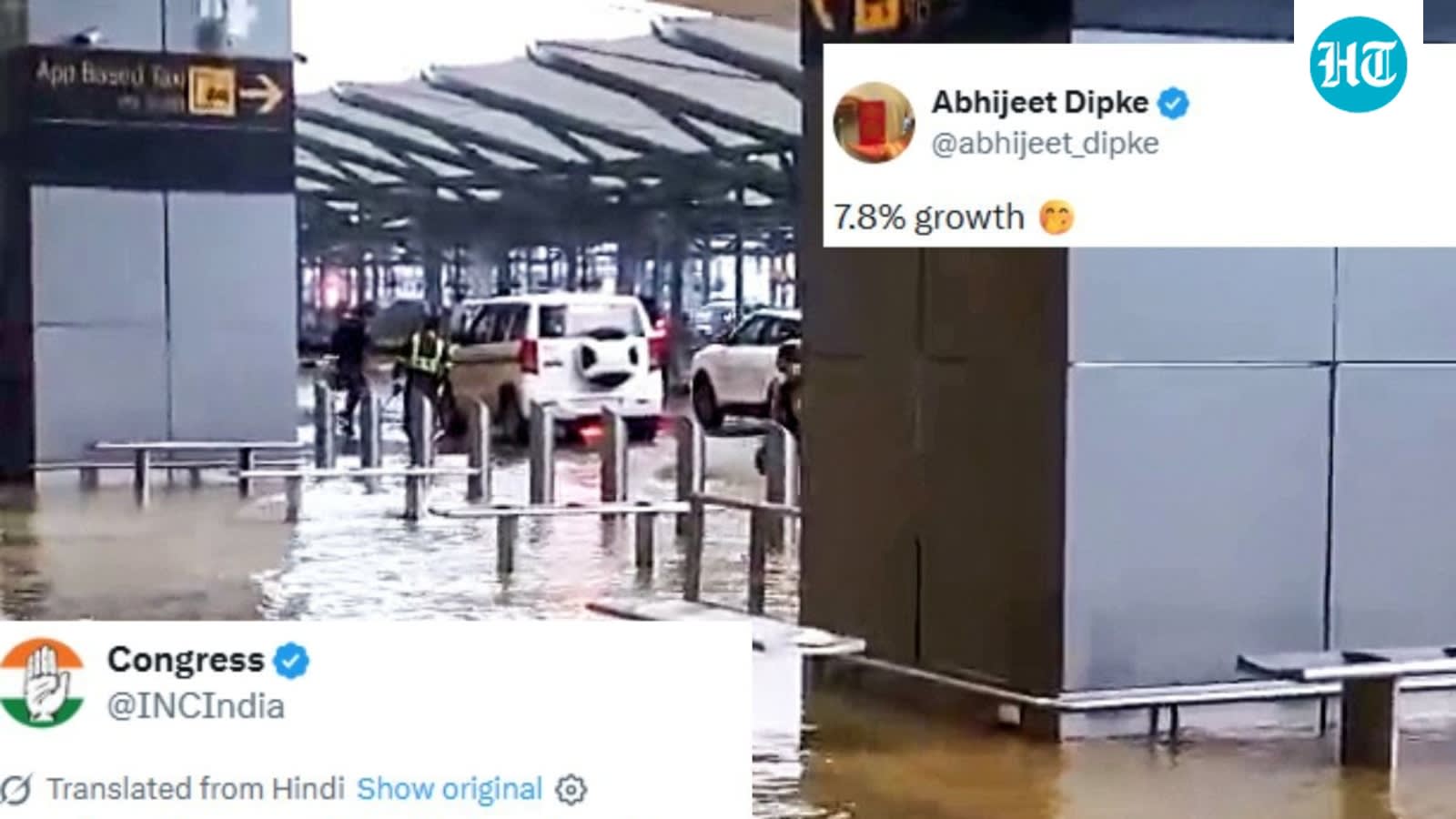
Delhi-NCR faces severe disruption following intense rainfall and a red alert from the IMD. The downpour caused significant waterlogging, flight diversions, and hindered Janmashtami celebrations across the capital.
Delhi Faces Severe Weather Crisis During Janmashtami
On Friday, the National Capital Region (NCR) experienced a dramatic shift in weather as heavy rainfall and thunderstorms descended upon the city. The India Meteorological Department (IMD) responded by issuing a red alert, signaling the severity of the intense rainfall, lightning, and gusty winds, which were recorded reaching speeds of up to 60 kmph. This meteorological event coincided with the auspicious occasion of Janmashtami, leaving devotees unprepared as the sudden deluge forced the cancellation or modification of various public festivities.
Impact on Infrastructure and Aviation
The infrastructure of the national capital faced significant strain under the weight of the downpour. Indira Gandhi International Airport, a critical transit hub, saw operations severely hampered by waterlogging. Reports confirm that nine flights were diverted—four to Jaipur, four to Lucknow, and one to Ahmedabad—to ensure passenger safety amid the stormy conditions. The disruption extended beyond the tarmac, with commuters across the city struggling against gridlocked traffic and flooded thoroughfares, including notable congestion in Connaught Place and near the Subroto Park flyover.
Socio-Economic and Logistical Challenges
The timing of this weather event has broader implications for the city, which is currently in the midst of preparations for the upcoming BRICS summit. The visibility of waterlogging in key areas, such as Mahipalpur and the airport vicinity, highlights the ongoing challenges Delhi faces regarding urban drainage and infrastructure resilience during extreme monsoon events. Videos circulating on social media captured the reality of the situation, ranging from children playing in inundated streets to passengers wading through ankle-deep water, illustrating the scale of the disruption.
Meteorological Context and Forecast
The IMD’s red alert underscores the volatility of the current weather pattern. Meteorologists had anticipated a heavier spell of rain, predicting isolated bursts of 50-100 mm throughout the evening. This extreme weather is characterized by localized, high-intensity precipitation that overwhelms existing drainage systems. The forecast indicates that while the most severe intensity may fluctuate, light to moderate showers and thunderstorms are expected to persist, keeping the city on high alert.
Future Trends and Urban Resilience
As Delhi continues to experience increasingly erratic weather patterns, the necessity for robust urban planning becomes paramount. The intersection of extreme climate events with high-profile international hosting duties, such as the BRICS summit, places a spotlight on the city's ability to maintain continuity of operations. Moving forward, the capital will likely need to prioritize investments in climate-resilient infrastructure to mitigate the impact of such sudden, high-intensity rainfall events on both daily life and national logistics.
Conclusion
In summary, the recent weather event in Delhi-NCR serves as a stark reminder of the city's vulnerability to extreme meteorological shifts. From the disruption of cultural celebrations to the diversion of international and domestic flights, the impact was widespread. As authorities navigate the cleanup and the city looks toward future international commitments, the focus must remain on strengthening urban infrastructure to withstand the unpredictable nature of these extreme weather cycles.
Verification Required?