Israeli Minister Presents Plan to Remove 2.5 Lakh Palestinians From Gaza
Source Entity
NDTV News Search Records Found 1000
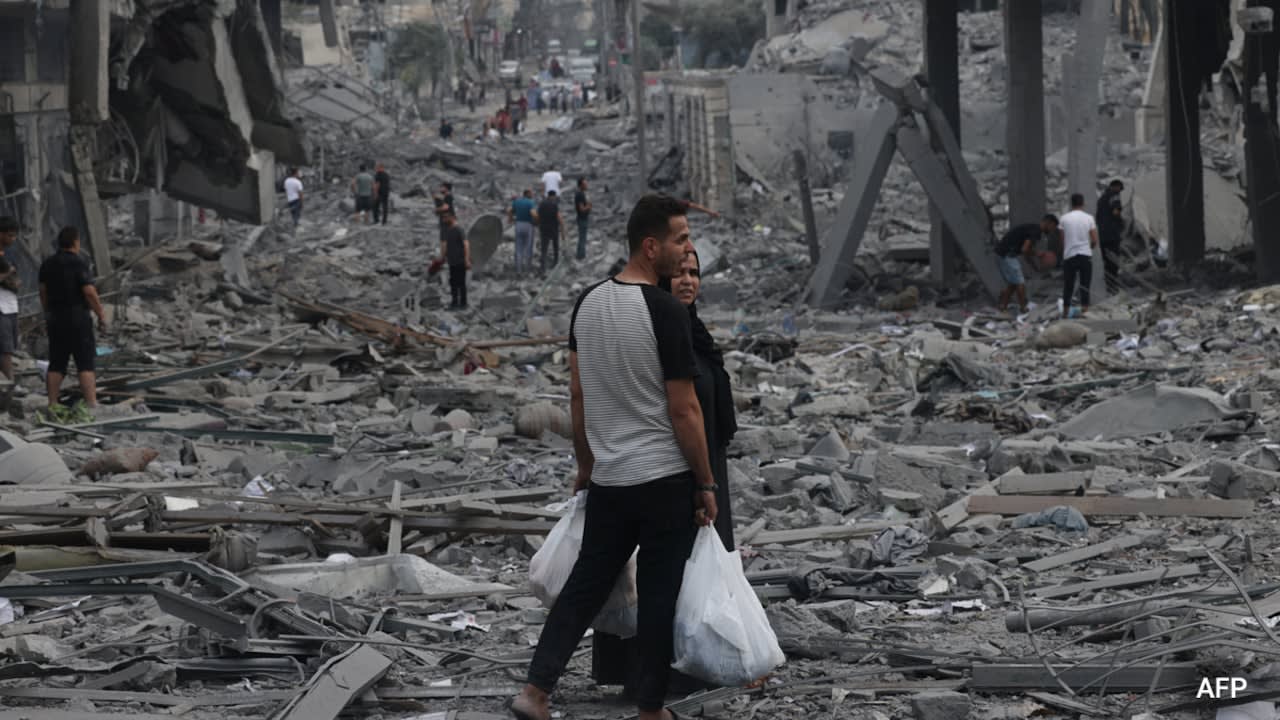
An Israeli minister has proposed a plan to displace 2.5 lakh Palestinians from Gaza. This proposal has drawn significant scrutiny due to international legal prohibitions against the forced displacement of civilians in occupied territories.
Analysis of Proposed Displacement in Gaza
The Proposal and Its Implications
Recent reports indicate that an Israeli government minister has formally presented a plan advocating for the removal of 250,000 Palestinians from the Gaza Strip. This proposal represents a significant escalation in the discourse surrounding the current conflict, moving beyond tactical military operations into the realm of demographic restructuring. Such a policy, if implemented, would fundamentally alter the social and geographical landscape of the region, carrying profound humanitarian consequences for the affected population.
Legal Framework and International Law
Under established international law, specifically the Fourth Geneva Convention, the forced displacement of civilians within or from occupied territory is explicitly prohibited. Legal scholars and human rights organizations classify such actions as war crimes. The international community maintains that the status of Gaza as an occupied territory necessitates the protection of its civilian inhabitants, rather than their removal. The presentation of this plan challenges the existing legal norms that govern the conduct of states during periods of conflict.
Historical Context of Displacement
Historically, the issue of displacement has been a central and contentious theme in the Israeli-Palestinian conflict. The concept of population transfer has been debated by various political actors for decades, often serving as a flashpoint for international condemnation. By reviving such proposals, the current political climate in Israel signals a departure from previous diplomatic frameworks that sought to maintain the demographic status quo, thereby complicating any future prospects for a negotiated settlement.
Regional and Global Repercussions
If such a plan were to be adopted or pursued, it would likely result in severe diplomatic isolation for Israel. Major global powers and international bodies, including the United Nations, have historically opposed any measures that resemble ethnic cleansing or forced relocation. The implementation of this policy would not only exacerbate the ongoing humanitarian crisis in Gaza but also threaten regional stability by potentially forcing neighboring countries to manage massive influxes of refugees, further straining already tense geopolitical relations.
Future Trends and Strategic Outlook
Looking ahead, the introduction of this plan suggests a shift toward more radical policy proposals within the Israeli cabinet. This trend indicates that the conflict may move toward a phase characterized by permanent demographic changes rather than temporary military objectives. As international pressure mounts, the divide between domestic policy aspirations and international legal obligations is expected to widen, leading to further friction between the Israeli government and the global community regarding the sovereign rights of the Palestinian people.
Verification Required?