Estonian defence minister quits over botched EU-funded arms deal involving India firm
Source Entity
Latest News: Todays Latest News Headlines from India & World | Hindustan Times | Hindustan Times
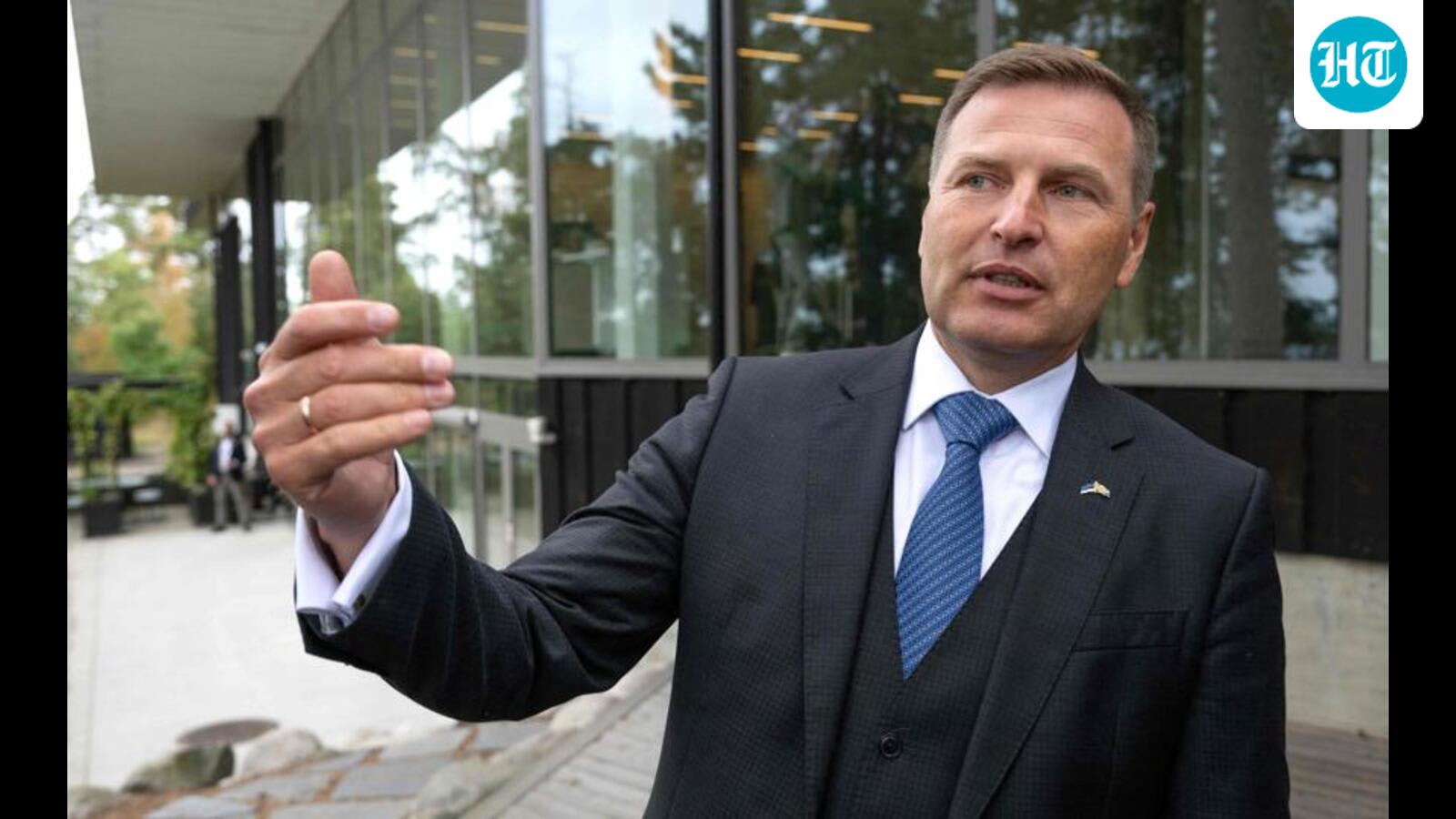
Estonian Defence Minister Hanno Pevkur has resigned following a failed 70-million-euro EU-funded artillery shell deal involving an Indian-owned firm. The contract, which is now subject to arbitration, faces scrutiny due to the lack of manufacturing experience of the involved companies.
The Resignation of Hanno Pevkur: A Strategic Setback
The resignation of Hanno Pevkur, Estonia’s longest-serving Minister of Defence since the nation regained its independence in 1991, marks a significant political shift in the Baltic state. Having held the office since 2022, Pevkur's departure is directly linked to the fallout from a botched procurement initiative intended to bolster Ukraine's defense capabilities through the acquisition of critical artillery ammunition.
The Mechanics of the Failed Procurement
At the center of the controversy is a 70-million-euro deal financed by European Union funds. The agreement, signed in 2024, involved the purchase of artillery shells from an Italian-registered entity, Datasel, which is owned by the Indian company Neco Defence Munitions. The core of the administrative failure lies in the vetting process; reports indicate that neither Datasel nor its parent company, Neco Defence Munitions, possessed a prior track record in the manufacturing or supply of artillery ammunition.
Financial and Strategic Implications
The decision to pay the 70-million-euro contract upfront has placed the Estonian government in a precarious financial and strategic position. With the delivery of the promised shells failing to materialize as expected, the Estonian government has initiated an arbitration case to recover the funds. This incident highlights the immense pressure European nations face to rapidly source military hardware for the Ukrainian front, often leading to risks in procurement due diligence.
Accountability and Political Fallout
Pevkur’s decision to step down, announced during a televised appearance, underscores the gravity of the situation within the Estonian government. As a well-known international figure, Pevkur’s exit reflects the political accountability required when high-stakes defense contracts—particularly those involving international third-party intermediaries—collapse under scrutiny. The Indian entity involved has denied any allegations of wrongdoing, yet the lack of institutional experience in the defense sector remains a focal point of the ongoing dispute.
Future Trends in European Defense Procurement
This incident serves as a cautionary tale for European defense ministries currently navigating the complexities of the global arms market. As the EU pushes for increased domestic and reliable international supply chains to support Ukraine, the demand for transparency and rigorous vetting of contractors will undoubtedly intensify. Future procurement strategies will likely shift toward established manufacturers with verified production histories to avoid the pitfalls of utilizing intermediaries with no prior industry experience.
Conclusion
The fallout from this botched deal has not only cost Estonia a high-level government official but has also prompted a reevaluation of how EU defense funds are managed and allocated. As Estonia moves forward with the arbitration process, the case remains a critical example of the challenges inherent in wartime procurement, where the urgency to supply allies must be balanced against the necessity of strict due diligence and fiscal responsibility.
Verification Required?