India sends more relief supplies to Nepal days after devastating flash floods
Source Entity
Latest News: Todays Latest News Headlines from India & World | Hindustan Times | Hindustan Times
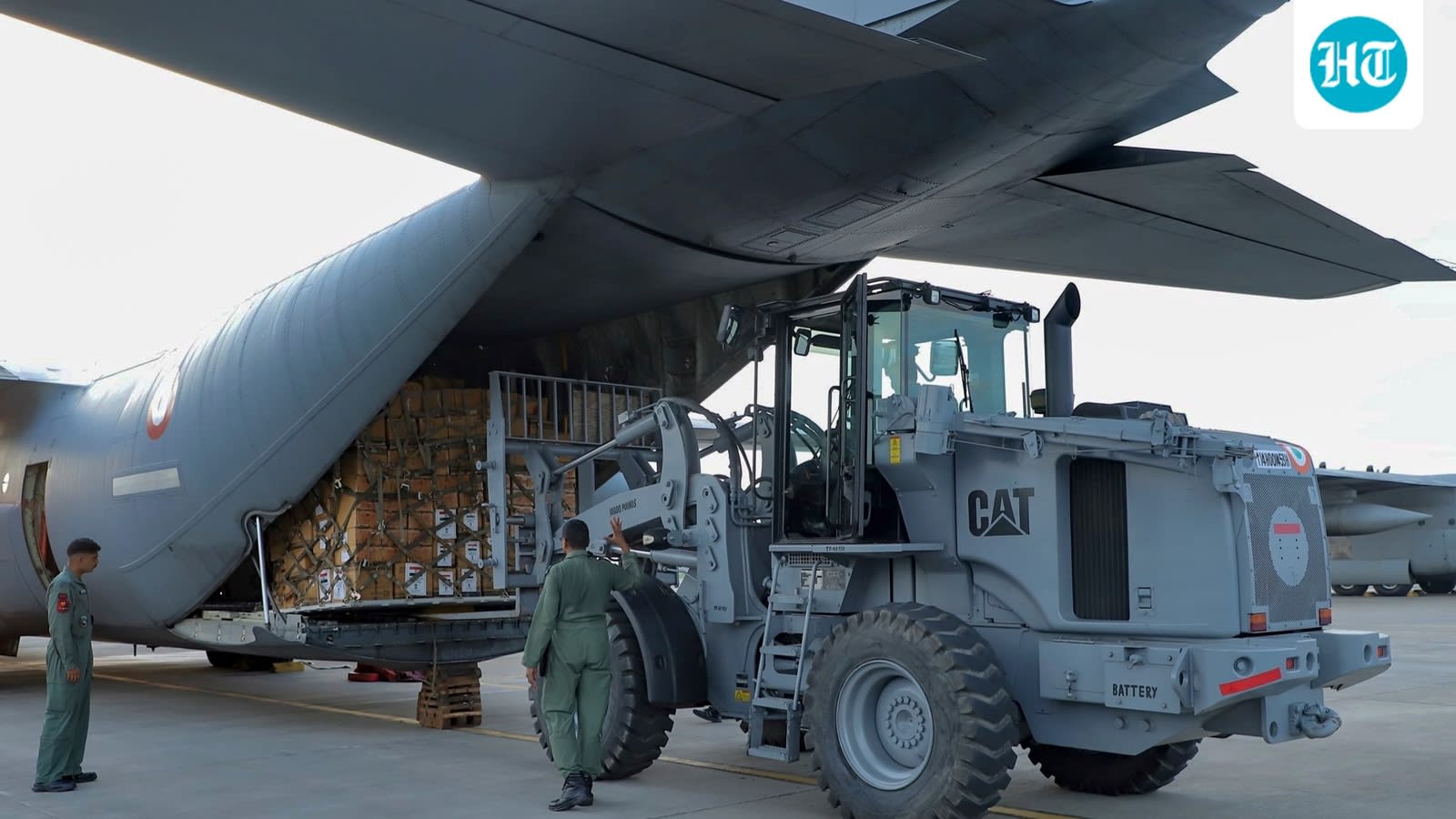
India has intensified humanitarian aid to Nepal following catastrophic flash floods that have claimed over 1,259 lives. With 74 tonnes of relief supplies delivered, the operation remains focused on medical support and search and rescue efforts for the 5,000 people still missing.
India's Rapid Response to Nepal's Flood Crisis
India has significantly ramped up its humanitarian assistance to neighboring Nepal following a series of devastating flash floods that have left the nation in a state of emergency. As of Thursday night, the Indian government dispatched its sixth tranche of relief supplies, amounting to over 21 tonnes, transported via two military aircraft. This latest delivery brings the total volume of aid provided by New Delhi to 74 tonnes, underscoring the deep-rooted bilateral cooperation between the two nations during times of extreme environmental distress.
The Scale of the Humanitarian Catastrophe
The situation in Nepal remains dire, with the death toll currently standing at at least 1,259 individuals. Authorities continue to recover bodies from the debris-strewn landscapes, while the search for the missing remains a monumental challenge. With approximately 5,000 people still unaccounted for, the rescue operations are characterized by immense urgency and logistical difficulty. While emergency responders have successfully evacuated over 12,000 people, the sheer scale of the disaster has necessitated international support, with India acting as a primary responder.
Operational Integration and Specialized Support
Beyond the delivery of physical goods, India’s response is notable for its multifaceted approach. The deployment of specialized teams, including doctors, paramedics, and technical search-and-rescue contingents, addresses the critical need for medical intervention and complex extraction operations. These teams brought specialized equipment essential for navigating the ravaged terrain, highlighting a strategic deployment model that prioritizes both immediate life-saving medical care and long-term recovery support.
Regional Stability and Disaster Diplomacy
This deployment serves as a poignant reminder of the importance of regional disaster diplomacy. Nepal’s topography makes it inherently susceptible to flash floods, and as climate change continues to alter weather patterns in the Himalayas, the frequency and intensity of such events are expected to rise. India’s consistent and rapid aid delivery reinforces its role as a regional first responder, fostering stability and demonstrating the efficacy of cross-border emergency management protocols.
Future Outlook and Recovery Challenges
As the immediate search-and-rescue phase persists, the focus will soon shift toward long-term recovery and infrastructure rehabilitation. The 74 tonnes of supplies delivered thus far—ranging from basic survival kits to medical equipment—provide a necessary buffer, but the road to normalcy for the thousands of displaced citizens remains long. Future trends suggest that both nations will need to enhance their collaborative early-warning systems and disaster-resilience infrastructure to mitigate the impact of such extreme weather events in the future.
Conclusion
The ongoing humanitarian efforts in Nepal underscore the critical necessity of rapid, coordinated international action. With the death toll continuing to climb and thousands still missing, India’s sustained logistical and medical support remains a vital lifeline. As the recovery process begins, the lessons learned from this tragedy will likely influence future disaster management strategies in the Himalayan region, emphasizing the need for continued technical cooperation and shared emergency resources.
Verification Required?