US escorts 40 oil ships through Hormuz as Iran attacks Gulf: Top updates
Source Entity
The Indian Express
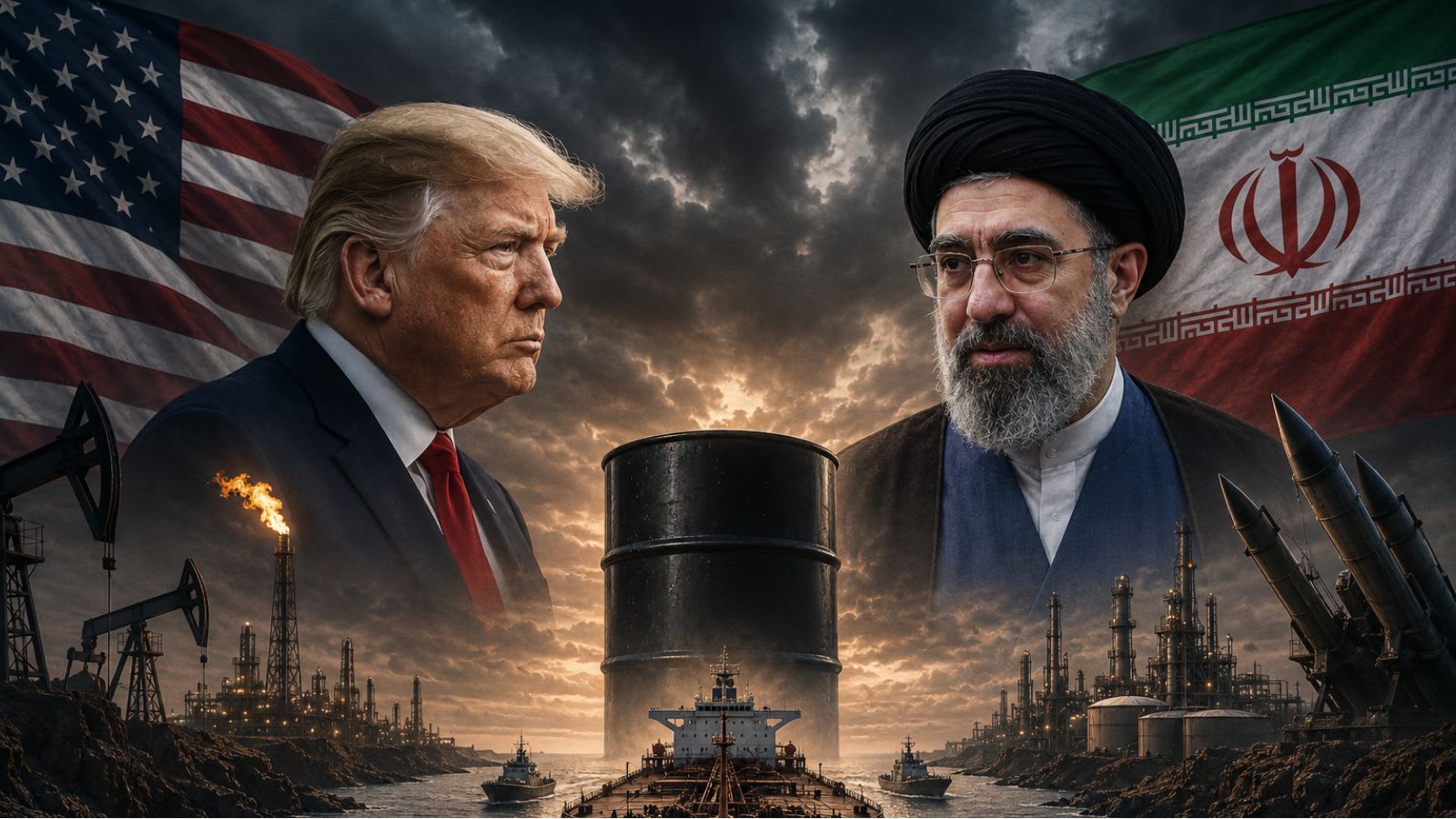
The US military successfully escorted 40 commercial vessels carrying 18 million barrels of oil through the Strait of Hormuz amid escalating hostilities with Iran. This operation highlights the strategic importance of the strait and the intensifying military measures taken to protect global energy supply lines.
Escalating Tensions in the Strait of Hormuz
Recent reports confirm that the United States military conducted a high-stakes operation to escort 40 commercial vessels through the Strait of Hormuz. Carrying approximately 18 million barrels of oil, this mission represents a wartime high in terms of volume and risk management. As Iran and the United States engage in a renewed exchange of strikes, the Strait has once again become the epicenter of global geopolitical friction, testing the limits of naval power projection and maritime security.
The Strategic Significance of the Strait
The Strait of Hormuz serves as one of the world's most critical maritime chokepoints, through which a significant portion of the global oil supply flows. Prior to the onset of the current conflict six months ago, the daily transit volume hovered around 20 million barrels. The recent escort of 18 million barrels in a single coordinated operation underscores the fragility of these supply chains and the necessity of US-led security initiatives to prevent a catastrophic disruption in global energy markets.
Advanced Military Coordination
To ensure the safety of these vessels, the US military utilized a sophisticated array of air, sea, and space-based assets. This multi-domain approach was essential not only for monitoring potential threats but for actively neutralizing them in real-time. Officials noted that forces successfully fended off waves of incoming drone attacks and intercepted anti-ship cruise missiles during the transit. This marks a significant escalation in the technological nature of the conflict, as the US attempts to degrade Iran's offensive capabilities while maintaining the flow of commerce.
The Dynamics of Modern Maritime Warfare
The ability of the US to maintain these escort operations while simultaneously conducting strikes on Iranian assets reflects a shift toward high-intensity maritime defense. The integration of anti-drone and anti-missile defense systems during the escort operation demonstrates that the conflict has moved beyond mere posturing. By neutralizing anti-ship missiles, the US is signaling a commitment to keeping the waterway open, despite the increased risk of direct confrontation.
Broader Implications and Future Trends
Looking ahead, the situation in the Strait of Hormuz suggests a prolonged period of instability. As long as the current conflict persists, the reliance on intensive military escorts will likely continue, putting immense strain on regional naval resources. Future trends indicate that maritime security will remain a primary focus for international powers, with an increased emphasis on automated surveillance and rapid-response capabilities to counter asymmetric threats like drones and cruise missiles. The stability of the global economy remains tethered to the success of these ongoing security operations.