China’s grey-zone game: Why India must prepare for ‘armed coexistence’
Source Entity
INDRAJEET RAI
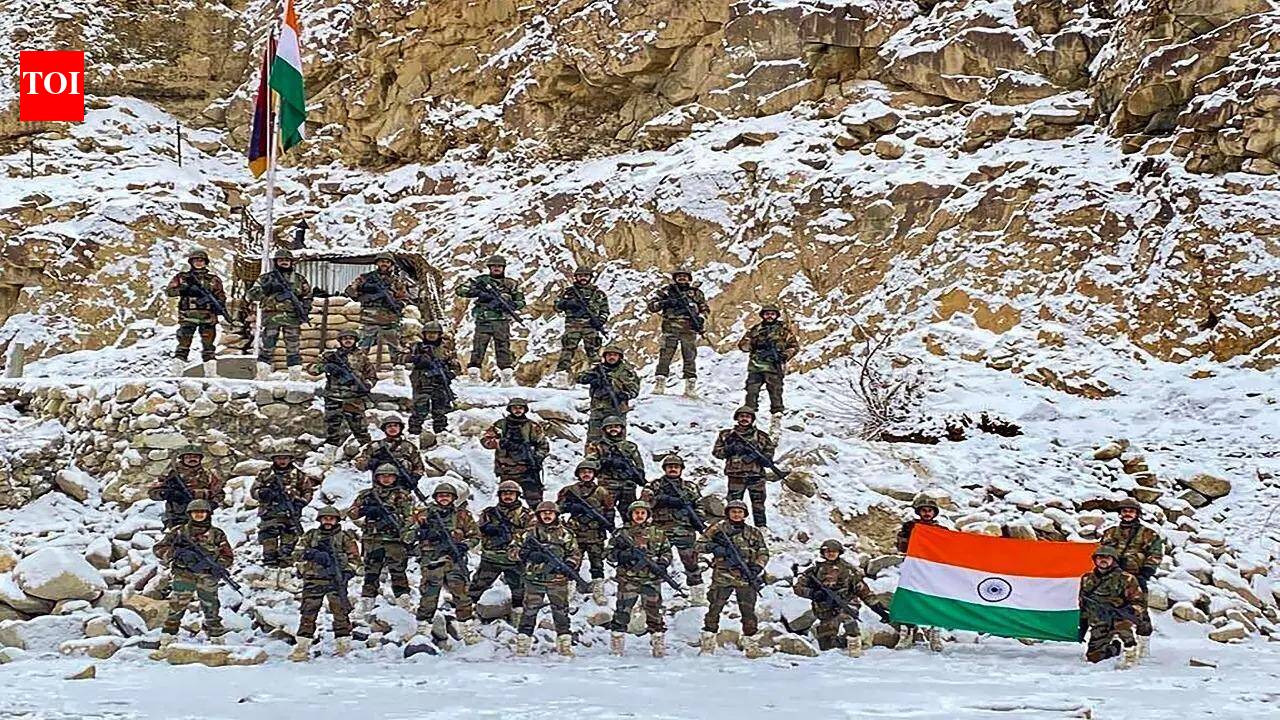
Former foreign secretary Vijay Gokhale warns that India must adapt to an era of 'armed coexistence' with China. His latest book analyzes Beijing's use of grey-zone tactics and strategic opportunism to shift border realities.
The New Reality of India-China Relations
Following the intense border skirmishes of 2020, the relationship between India and China has transitioned into a complex, fragile state. While there has been a recent thaw in diplomatic channels, the structural tensions remain profound. Former foreign secretary Vijay Gokhale, in his latest book, “China’s Wars: The Politics and Diplomacy Behind its Military Coercion”, provides a critical examination of how Beijing navigates regional dominance through calculated aggression rather than immediate total war.
Understanding Grey-Zone Tactics
Gokhale defines China as an inherently opportunistic power. According to his analysis, Beijing’s methodology involves waiting for a perceived strategic opening before acting pre-emptively. Once the initial tactical move is made, the state apparatus shifts to construct a narrative of self-defense, effectively legitimizing its expansionist moves on the global stage. This 'grey-zone' approach allows China to change the status quo on the ground without triggering a conventional, full-scale military conflict.
The Era of Armed Coexistence
The concept of 'armed coexistence' is central to Gokhale’s assessment of the current geopolitical climate. This term implies a long-term state of affairs where both nations remain in a condition of intense military preparedness along their shared borders while engaging in diplomatic and economic interactions. It is a precarious balance that requires India to maintain constant vigilance, as the threshold between diplomatic friction and kinetic conflict remains dangerously thin.
Assessing the Risk of War
While Gokhale posits that a full-scale war is not the most likely immediate outcome, he cautions against complacency. The historical patterns of China’s military coercion suggest that the potential for miscalculation is high. India’s strategic planners must therefore account for scenarios where border incidents could escalate, necessitating a robust and multifaceted response that extends beyond mere military posturing to include diplomatic and economic resilience.
The Xi Jinping Factor and Future Uncertainty
A significant portion of the analysis focuses on the internal politics of the Chinese Communist Party. Gokhale highlights that the political uncertainty following the tenure of Xi Jinping could serve as a catalyst for unpredictable behavior. Whether through sudden global economic shocks or increased military adventurism to distract from domestic instability, the future of the India-China relationship remains tethered to the opaque power dynamics within Beijing.
Strategic Imperatives for India
Ultimately, the narrative provided by Gokhale serves as a blueprint for Indian policymakers. It demands a shift from reactive diplomacy to a proactive strategy that recognizes China’s long-term objectives. By understanding the historical context of China’s military coercion, India is better positioned to navigate the challenges of 'armed coexistence,' ensuring that national sovereignty is protected through a combination of military readiness, strategic patience, and agile foreign policy.