Uttarakhand CM Dhami gives appointment letters to 101 new livestock, sugar department staff
Source Entity
Latest News: Todays Latest News Headlines from India & World | Hindustan Times | Hindustan Times
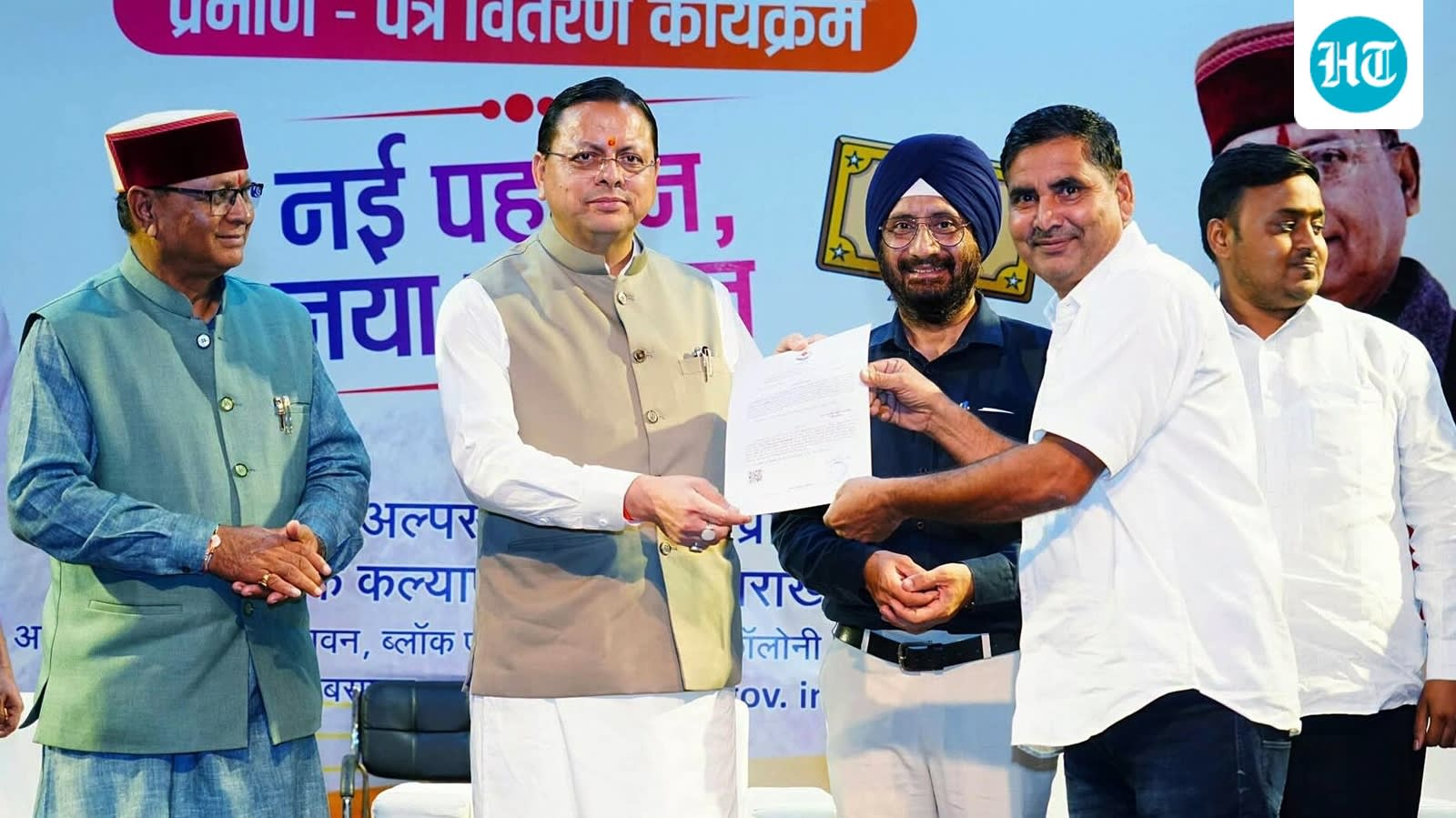
Uttarakhand CM Pushkar Singh Dhami has bolstered the state workforce by appointing 101 new officials to the livestock and sugar departments. Simultaneously, he is pushing for research-driven governance to better address the state's unique geographical and socio-economic challenges.
Strengthening Administrative Capacity in Uttarakhand
Uttarakhand Chief Minister Pushkar Singh Dhami has taken a significant step toward bolstering the state's administrative infrastructure by distributing appointment letters to 101 new personnel. The recruitment drive, which encompasses 88 Livestock Extension Officers and 13 Sugarcane Supervisors, serves to reinforce the Animal Husbandry and Sugarcane Development and Sugar Industry departments. These sectors are vital to the state's rural economy, and the infusion of new talent is intended to improve service delivery and operational efficiency at the ground level.
Prioritizing Meritocracy and Transparency
During the distribution ceremony at his Camp Office, CM Dhami emphasized that these appointments were a testament to the candidates' hard work and discipline. Crucially, the Chief Minister highlighted the state’s implementation of a strict anti-copying law as a cornerstone of his administration's recruitment strategy. By emphasizing transparency, the government aims to restore public faith in the state's examination processes, ensuring that only the most qualified individuals are integrated into the government apparatus.
Shifting Toward Research-Driven Governance
Beyond immediate staffing needs, CM Dhami has signaled a broader shift toward evidence-based governance. During a governing body meeting of the Uttarakhand State Centre for Public Policy and Good Governance (USCPPGG), the Chief Minister underscored the necessity of research, innovation, and effective implementation. He argued that policy frameworks must be meticulously tailored to Uttarakhand’s distinct geographical challenges, asserting that generic models are insufficient for the state's mountainous terrain and specific resource needs.
Integrating Data into Policy Formulation
The directive for officials to utilize data-driven findings represents a strategic attempt to modernize the state's bureaucracy. By encouraging the creation of case studies based on successful local initiatives, the administration hopes to create a repository of 'best practices' that can be replicated or scaled across districts. This focus on capacity building and training suggests that the government is looking to move away from reactive policymaking toward a more proactive, analytical approach to development.
Future Implications for Regional Development
As these new appointees enter their respective departments, their success will likely be measured by how well they integrate this new culture of research and efficiency. The combination of a fortified workforce and a mandate for innovative, context-specific policy suggests that Uttarakhand is prioritizing long-term structural stability. If successful, this dual-pronged approach—improving human capital while refining the intellectual framework of governance—could serve as a template for other states navigating similar developmental hurdles.
Verification Required?