Ram Temple CEO race narrows to three candidates, all from UP
Source Entity
ARVIND CHAUHAN
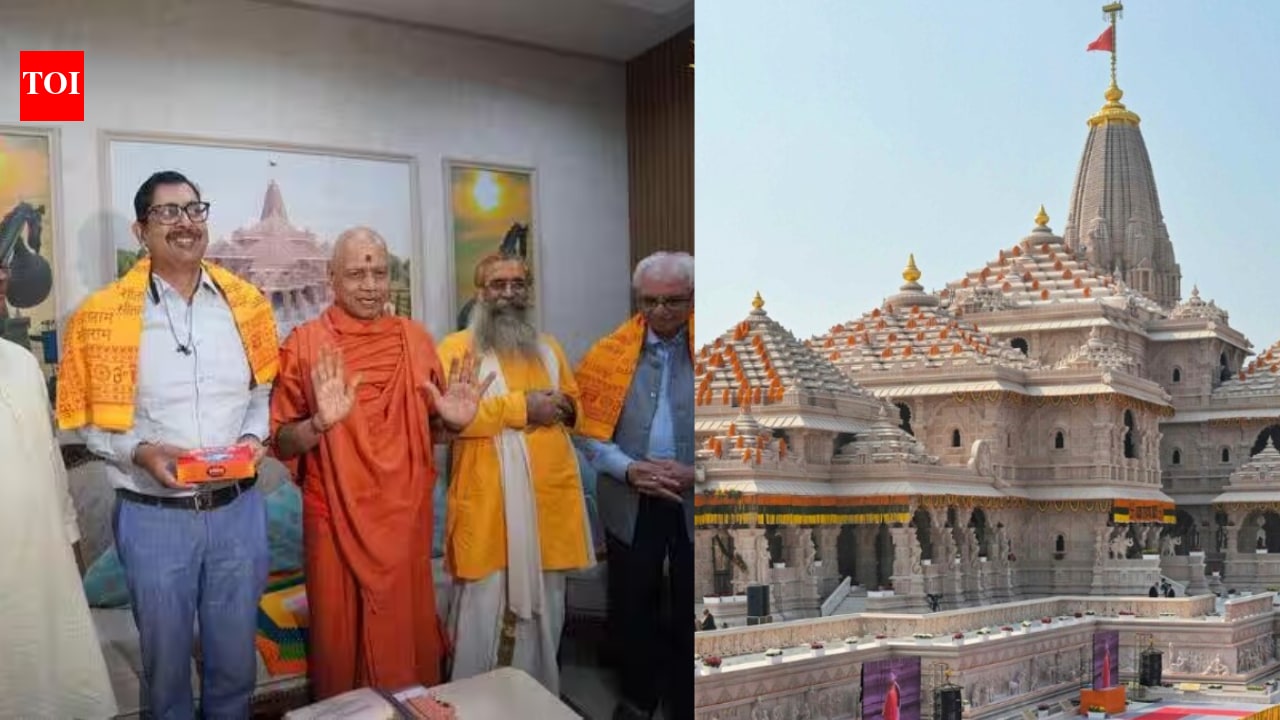
The Shri Ram Janmabhoomi Teerth Kshetra Trust has shortlisted three candidates from Uttar Pradesh for the newly created CEO position. This administrative overhaul follows allegations of financial irregularities and aims to professionalize temple operations.
Strategic Administrative Overhaul at the Ram Janmabhoomi Trust
The Shri Ram Janmabhoomi Teerth Kshetra Trust (SRJTKT) has reached a pivotal juncture in its organizational evolution. Following a search committee process, three candidates have been shortlisted for the inaugural position of Chief Executive Officer (CEO). The selection, scheduled for September 2, 2026, marks a significant shift toward professionalized management for the Ayodhya temple, an institution of immense cultural and religious significance.
Addressing Governance and Accountability
This move to appoint a CEO was precipitated by a period of internal turbulence. Following serious allegations of theft and financial irregularities regarding temple donations, the Trust underwent a structural transformation. The resignations of key figures, including general secretary Champat Rai and trustee Anil Mishra, underscored the urgency of implementing robust oversight mechanisms. The creation of the CEO post is a direct response to these crises, intended to restore transparency and public trust.
The Search for Leadership
The search committee has vetted a diverse pool of applicants, ultimately narrowing the list to three individuals. Notably, all three candidates hail from Uttar Pradesh, suggesting a preference for leadership with deep local knowledge and context regarding the temple's operations. Sources indicate that the panel includes professionals from both government and private sectors, reflecting a desire to blend administrative rigor with the operational demands of managing a high-traffic religious site.
Scope of Responsibilities
The new CEO will be tasked with the complex mandate of overseeing administrative operations and pilgrim facilities. As the Ayodhya temple continues to attract significant footfall, the need for efficient infrastructure and systematic management has become paramount. The CEO will act as the primary operational authority, ensuring that the day-to-day functions of the temple align with the broader governance standards mandated by the Trust’s recent administrative overhaul.
Broader Implications and Future Trends
The appointment of a professional CEO signals a trend toward corporate-style governance in major Indian religious trusts. By distancing administrative management from purely religious or political leadership, the SRJTKT is attempting to insulate the institution from future scandals. The success of this appointment will likely set a precedent for how other high-profile religious organizations across the country handle financial stewardship and large-scale operational logistics in the future.
Multiple Citing Sources