Why Haryana sanitation workers’ strike puts BJP government on back foot
Source Entity
Sukhbir Siwach
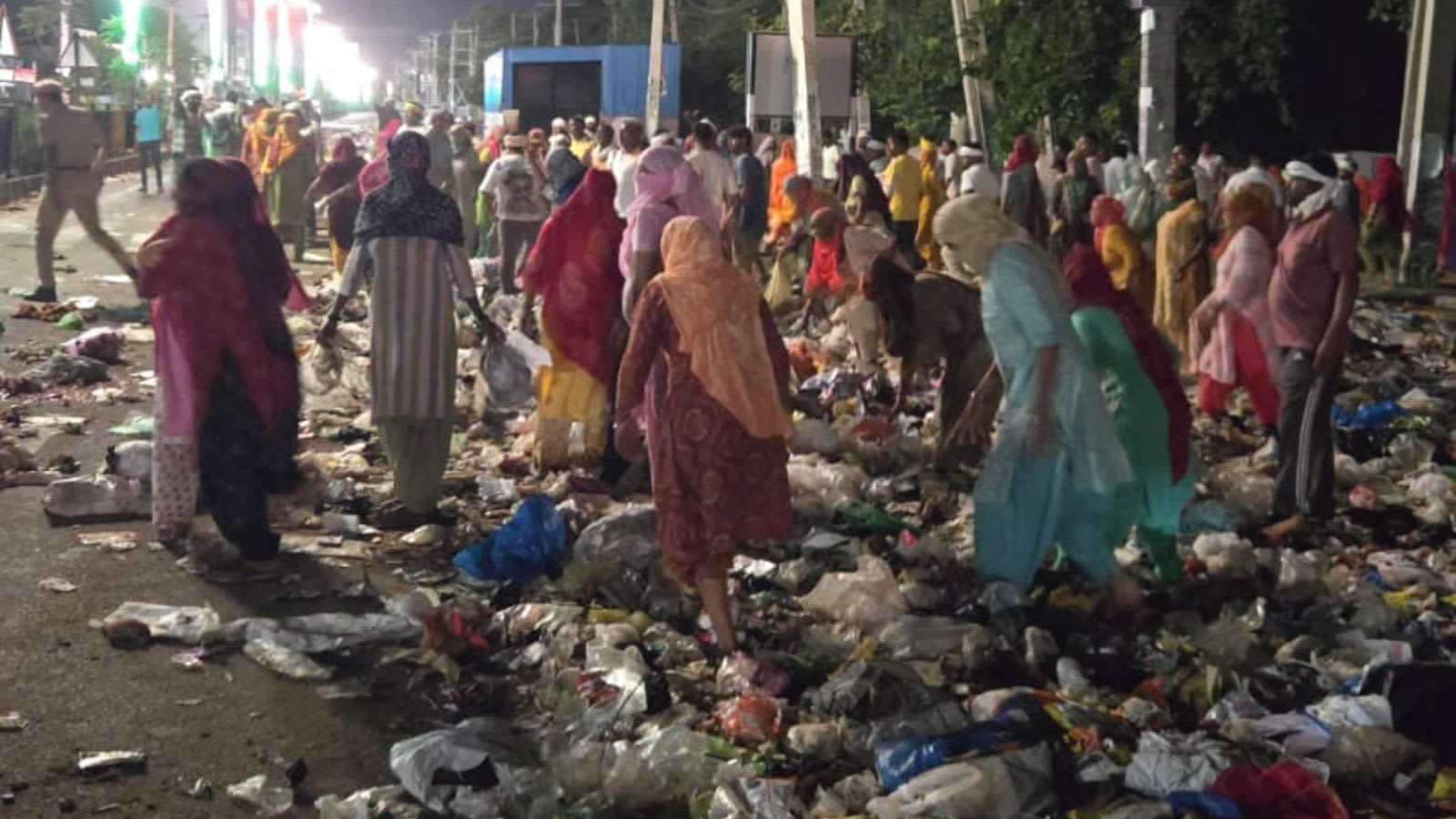
Haryana's sanitation workers have been on strike for 28 days, demanding job regularisation and causing urban service disruptions. The Congress party is leveraging the unrest to pressure the BJP government, which reports ongoing negotiations.
The Growing Crisis: Haryana Sanitation Strike
The ongoing strike by approximately 13,000 sanitation workers in Haryana has escalated into a significant political challenge for the Nayab Singh Saini-led BJP government. As the protest enters its 28th day, the disruption of sanitation services in urban centers across the state has reached a critical juncture, drawing sharp criticism from the principal Opposition, the Congress party.
Political Maneuvering in the Assembly
During the recent Haryana Assembly session, Congress MLAs utilized the platform to voice their dissent and corner the ruling administration. The legislative uproar underscores how local labor disputes are frequently weaponized in the political arena to highlight governance gaps. By framing the strike as a failure of the state to address worker welfare, the Opposition is attempting to consolidate support ahead of future electoral cycles.
The Core Demand: Regularisation of Employment
At the heart of the conflict lies the demand for the regularisation of jobs for the 13,000 sanitation workers. This issue is a recurring theme in Indian labor relations, where contractual staff seek the security and benefits associated with permanent employment. The prolonged nature of this strike suggests a deep-seated disconnect between the state’s fiscal policies and the workforce's expectations regarding job stability.
Government Response and Negotiation Stalemates
Social Justice Minister Krishan Bedi has stated that the government has engaged in six rounds of meetings with the unions. While the administration maintains that it is proactively seeking a resolution, the fact that the strike has persisted for nearly a month indicates that these dialogues have yet to yield a consensus. The involvement of both Minister Bedi and Urban Local Bodies Minister Vipul Goel signifies that the government recognizes the gravity of the situation, particularly as public health concerns grow due to the lack of sanitation services.
Broader Implications and Public Impact
The breakdown of essential services in urban areas has led to direct clashes between workers and local officials. These confrontations reflect the desperation of the workforce and the government's struggle to maintain civil order while managing a labor crisis. Should the impasse continue, the state risks a public health emergency, which would further erode public confidence in the Saini administration.
Future Trends and Outlook
Moving forward, the resolution of this strike will likely hinge on the government's ability to balance budgetary constraints with the political necessity of appeasing a vital segment of the labor force. If the BJP cannot find a middle ground, the issue will continue to serve as a rallying point for the Opposition, potentially influencing voter sentiment in the state's urban constituencies. The outcome of these negotiations will serve as a bellwether for how the current government manages labor unrest in the face of persistent political pressure.