Ram Mandir's first CEO Air Marshal Jeetendra Mishra (retd) has war command pedigree
Source Entity
ARVIND CHAUHAN
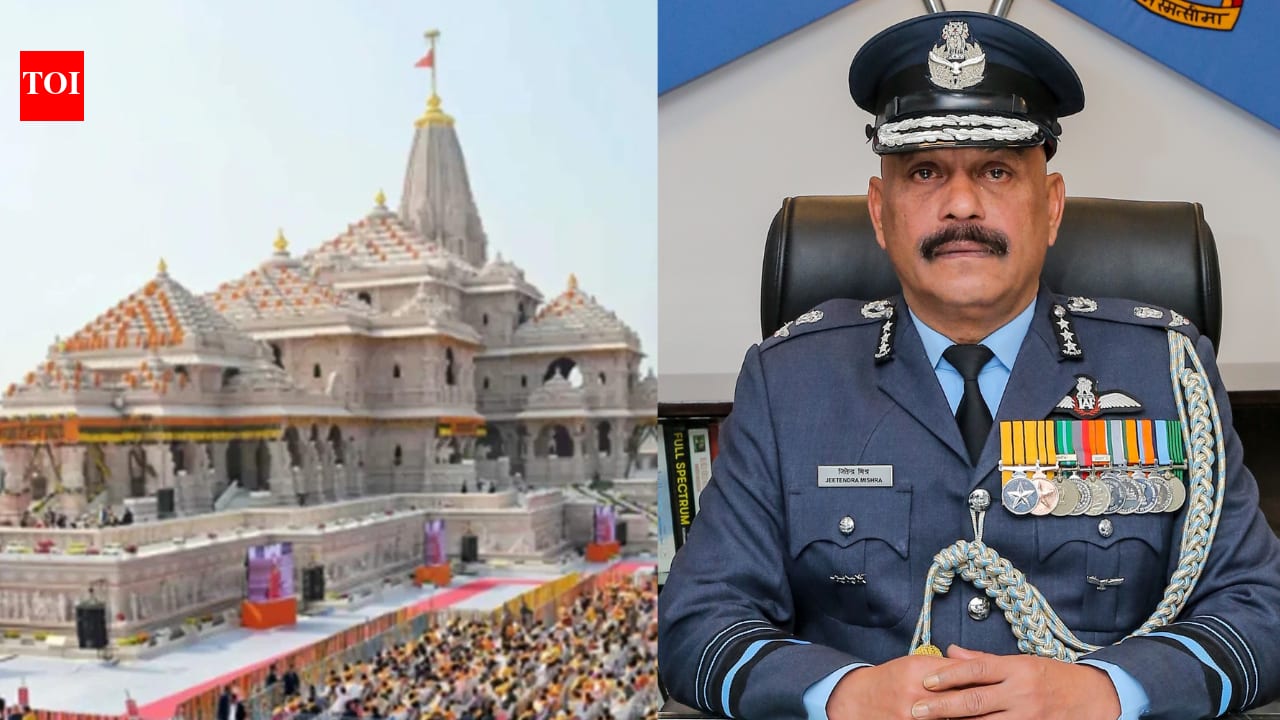
The Shri Ram Janmabhoomi Teerth Kshetra Trust is set to appoint its first CEO following a major administrative overhaul. This move comes in response to internal scandals involving embezzlement and theft, leading to the resignation of key officials.
Administrative Overhaul at the Shri Ram Janmabhoomi Teerth Kshetra Trust
The Shri Ram Janmabhoomi Teerth Kshetra Trust (SRJTKT), the apex body overseeing the management of the Ram temple in Ayodhya, is currently undergoing a significant structural transformation. As of September 1, 2026, a specialized search committee has finalized a shortlist of three candidates for the inaugural position of Chief Executive Officer (CEO). This appointment, slated for finalization during a meeting on September 2, 2026, represents a critical shift toward professionalized management for one of India's most significant religious sites.
Origins of the Crisis: Financial Irregularities
The necessity for this administrative restructuring stems directly from a period of intense scrutiny regarding the Trust’s financial integrity. Recent allegations concerning the theft of offerings and broader embezzlement of temple donations triggered a crisis of confidence. The gravity of these allegations necessitated an immediate response, leading to the arrest of eight individuals involved in the financial discrepancies. The fallout from these events reached the highest levels of the Trust, forcing a leadership vacuum that the new CEO role is designed to fill.
Leadership Resignations and Accountability
In the wake of the donation controversy, the Trust saw the departure of high-ranking officials. General secretary Champat Rai and trustee Anil Mishra were among those who stepped down, effectively clearing the path for a new administrative framework. By choosing to transition from a traditional oversight model to one headed by a professional CEO, the Trust is signaling an intent to implement more rigorous internal controls and transparent auditing processes to prevent future instances of corruption.
Expanding the Trust’s Governance
Beyond the creation of the CEO position, the Trust is simultaneously moving to induct three new members to fortify its decision-making body. Reports suggest that individuals such as Madan Mohan Pandey, Nirmala Yadav, and Mahesh Bhagchandka are being considered for these roles. This influx of new leadership is clearly intended to restore public trust and ensure that the management of the temple’s vast resources is handled with greater institutional oversight and accountability.
Future Implications for Temple Management
Looking ahead, the appointment of a CEO from a mix of government and private sector backgrounds suggests that the SRJTKT is prioritizing operational efficiency and regulatory compliance. The success of this new leadership will be measured by their ability to stabilize the organization's reputation and modernize its financial management systems. As the temple continues to be a focal point of national interest, the ability of the Trust to maintain fiscal discipline will be a defining factor in its future operations and its relationship with the public and stakeholders.
Multiple Citing Sources